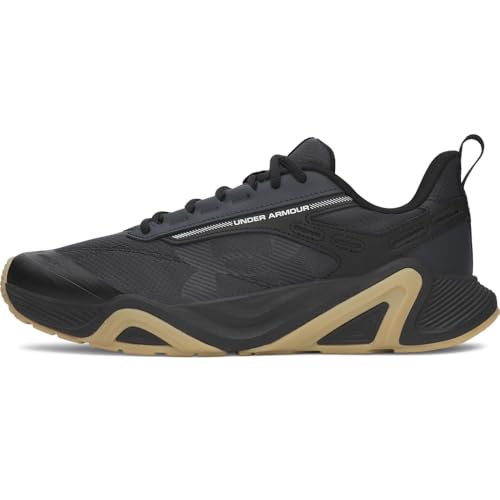
 Related pick
Training shoes typically last 300 to 500 miles of running or about 6 to 12 months of regular gym use. Replace them when the midsole feels flat, the outsole is smooth, or you notice new aches or pains.
Training shoes are one of the most important pieces of gear for anyone who works out regularly. But they don’t last forever. Knowing when to replace them can prevent injuries and keep your performance on track. In this article, we’ll break down the typical lifespan of training shoes, the signs that it’s time for a new pair, and factors that can help you get the most out of your shoes.
What Determines How Long Training Shoes Last?
The lifespan of training shoes varies based on several key factors. The most important is the type of training you do. Running and high impact activities cause more wear than weightlifting or walking. The materials used in the shoe, such as the midsole foam and outsole rubber, also play a big role in durability. Your body weight and stride mechanics can affect how quickly the shoe breaks down. Lighter runners may get more miles than heavier ones. Finally, the surfaces you train on matter. Concrete and asphalt wear shoes faster than rubber tracks or gym floors.
Frequency of use is another major factor. Wearing the same pair every day without giving them time to decompress can shorten their life. The midsole foam needs at least 24 hours to recover its shape after a workout. Rotating between two pairs can extend the life of each. In general, expect training shoes to last between 300 and 500 miles of running, or about 6 to 12 months of regular gym training. For cross training or mixed use, the timeframe may be similar, but the signs of wear might appear differently.
How to Tell When Your Training Shoes Are Worn Out
The most reliable way to know if your shoes are done is to pay attention to how they feel and look. A common sign is a loss of cushioning. If the midsole feels flat or hard underfoot, it has likely lost its ability to absorb shock. You might also notice that the outsole is smooth in high wear areas, especially the heel and forefoot. Uneven wear can cause the shoe to sit crooked, which can alter your gait and lead to injuries.
Another sign is discomfort or new pain during or after workouts. If your knees, hips, or lower back start to ache when they didn’t before, your shoes could be the culprit. The upper part of the shoe may also show signs of wear, like tears or a loose fit. Some runners fold the shoe and look for creasing in the midsole as a visual cue. You can also check the distance you’ve logged by using a running app or a logbook. When you hit the 300 to 500 mile mark, start thinking about a replacement even if the shoes look okay.
The Difference Between Running Shoes and Gym Training Shoes
It’s important to understand that running shoes and training shoes have different designs and lifespans. Running shoes are built for forward motion with maximum cushioning and a heel drop that encourages heel striking. They typically last 300 to 500 miles. Gym training shoes, also called cross trainers, are made for lateral movements, lifting, and agility drills. They have more stable platforms and stronger uppers to handle side to side forces.
Because training shoes undergo more multidirectional stress, their midsoles can break down differently. The outsole may wear thin on the edges from pivoting. The upper might tear at the toe box or eyelets. A good rule of thumb is to check your gym shoes every 6 months. If you do high intensity interval training or court sports, you might need new shoes sooner. Listen to your body and look for the same signs of wear described earlier.
Tips to Make Your Training Shoes Last Longer
While you can’t stop the clock on shoe wear, you can take steps to get more life out of them. First, avoid wearing training shoes for casual use. Save them for workouts only. Second, rotate between two pairs if you train frequently. This allows the foam to rebound fully between sessions. Always store them in a cool, dry place away from direct sunlight and heat, which can break down materials faster.
Clean your shoes properly by hand with mild soap and water, and avoid throwing them in the washing machine or dryer. Remove insoles after sweaty workouts to let them air out. Dry wet shoes with newspaper or on a rack at room temperature; never use a heater or hair dryer. Finally, replace your insoles periodically if they show wear, as fresh insoles can give a second life to the shoe’s overall feel.
What Happens When You Wear Worn Out Training Shoes?
Wearing shoes past their prime can do more than just feel uncomfortable. It can lead to a range of injuries. The most common are plantar fasciitis, shin splints, runner’s knee, and tendinitis. When the midsole flattens, your foot loses support, causing overpronation or supination. Your joints and muscles have to compensate, which can create imbalances and pain.
Worn out shoes also provide less traction, increasing the risk of slips and falls, especially during agility drills or in wet conditions. The lack of cushion can also lead to stress fractures in the feet or legs. For weightlifting, a worn out shoe can be unstable, making it harder to maintain proper form during squats or deadlifts. In the long run, the cost of a new pair of shoes is much less than the cost of physical therapy or time off from training.
Frequently asked questions
Can I still use my training shoes if they look fine but feel flat?
No. If the cushioning feels flat, the midsole has likely lost its shock absorbing capability, which can increase injury risk even if the shoe looks good.
How many miles should I expect from a pair of training shoes for the gym?
For gym use, a rough estimate is 6 to 12 months of regular training, though mileage is harder to track. Listen for changes in comfort and support.
Do expensive training shoes last longer than budget ones?
Not necessarily. Price often reflects features like weight or materials, but durability varies more by construction and how you use them than by price.
Should I replace my training shoes if I only use them for weightlifting?
Weightlifting shoes can last longer because there is less impact. However, once they lose stability or the outsole becomes uneven, it's time for a new pair.
Looking to buy? See our Footwear guides for tested picks.