 Related pick
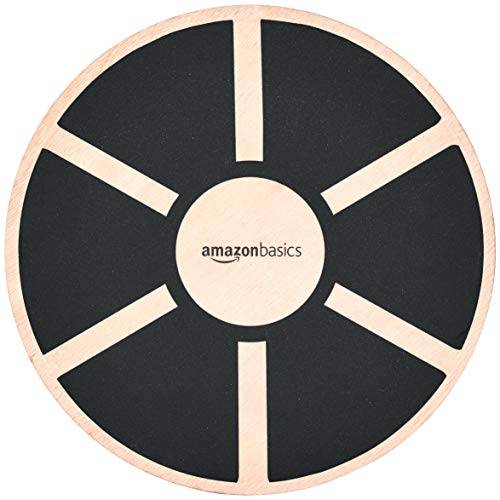
A wobble board is a small, round board that tilts in all directions, while a balance board is a flat platform that rocks back and forth
When it comes to improving balance, stability, and overall fitness, two popular training tools are often considered: wobble boards and balance boards. Both tools can be effective, but they have distinct differences in design, functionality, and benefits.
Design and Functionality
A wobble board typically consists of a small, round platform with a single point of contact with the ground, allowing it to tilt in all directions. This design enables users to engage their core and leg muscles to maintain balance. In contrast, a balance board usually features a flat platform with a fulcrum or rocker, which causes the board to rock back and forth.
The movement of a balance board is often more predictable than a wobble board, as it is limited to a single plane of motion. This can make it easier for beginners to get started with balance training. However, the unpredictability of a wobble board can be beneficial for advanced users looking to challenge their balance and stability.
Both wobble boards and balance boards can be used for a variety of exercises, including squats, lunges, and single-leg stands. They can also be incorporated into strength training routines to add an extra level of challenge and engagement for the core and leg muscles.
Benefits and Advantages
One of the primary benefits of using a wobble board or balance board is improved balance and stability. By challenging the body to maintain equilibrium on an unstable surface, these tools can help enhance proprioception, which is the ability to sense the position and movement of the body. This can be particularly beneficial for athletes or individuals who participate in activities that require quick changes of direction or rapid movements.
Using a wobble board or balance board can also help strengthen the core and leg muscles, which are essential for maintaining good posture, balance, and overall athletic performance. Additionally, these tools can be used for rehabilitation and injury prevention, as they can help improve balance and stability in individuals who are recovering from injuries or surgeries.
Another advantage of wobble boards and balance boards is their versatility. They can be used in a variety of settings, including home, gym, or outdoor environments, and can be incorporated into a wide range of exercises and training routines.
Choosing the Right Tool
When deciding between a wobble board and a balance board, it is essential to consider your fitness goals, experience level, and personal preferences. If you are a beginner, a balance board may be a better option, as it provides a more predictable and stable surface. However, if you are looking for a more challenging and dynamic workout, a wobble board may be the better choice.
It is also important to consider the size and portability of the tool. Wobble boards are often smaller and more lightweight than balance boards, making them easier to transport and store. Balance boards, on the other hand, may be larger and more cumbersome, but they can still be easily moved and set up in a variety of locations.
Ultimately, the choice between a wobble board and a balance board will depend on your individual needs and preferences. It may be helpful to try out both options and see which one works best for you.
Training and Progression
When using a wobble board or balance board, it is essential to start with simple exercises and gradually progress to more challenging movements. This will help you build confidence and strength, while also reducing the risk of injury. Begin with static exercises, such as single-leg stands or squats, and then move on to dynamic movements, such as lunges or step-ups.
As you become more comfortable with the tool, you can increase the difficulty of the exercises by adding weights, changing the surface, or incorporating other challenges. For example, you can try using a wobble board or balance board on a soft surface, such as a mat or a pillow, to increase the level of instability.
It is also important to focus on proper form and technique when using a wobble board or balance board. Keep your core engaged, your knees slightly bent, and your weight evenly distributed on the board. Avoid leaning or reaching, as this can disrupt your balance and increase the risk of injury.
Safety and Precautions
When using a wobble board or balance board, it is essential to take certain safety precautions to avoid injury. Start with a stable and secure surface, and ensure that the tool is properly set up and adjusted. Wear proper footwear, such as sneakers or athletic shoes, and avoid using the tool on slippery or uneven surfaces.
It is also important to listen to your body and stop if you experience any pain or discomfort. Using a wobble board or balance board can be challenging, and it is normal to feel shaky or unstable at first. However, if you experience persistent pain or difficulty, it may be necessary to modify the exercises or seek guidance from a fitness professional.
Finally, be mindful of your surroundings and ensure that you have enough space to move around safely. Keep the area around the wobble board or balance board clear of obstacles, and avoid using the tool near stairs, furniture, or other hazards.
Frequently asked questions
What is the difference between a wobble board and a balance board?
A wobble board is a small, round platform that tilts in all directions, while a balance board is a flat platform that rocks back and forth. The design and functionality of these tools are distinct, and they offer different benefits and challenges for users.
Which tool is better for beginners?
A balance board may be a better option for beginners, as it provides a more predictable and stable surface. However, it is essential to consider your individual needs and preferences when choosing a tool, and to start with simple exercises and gradually progress to more challenging movements.
Can wobble boards and balance boards be used for rehabilitation and injury prevention?
Yes, wobble boards and balance boards can be used for rehabilitation and injury prevention. These tools can help improve balance and stability, strengthen the core and leg muscles, and enhance proprioception, which can be beneficial for individuals recovering from injuries or surgeries.
How can I incorporate a wobble board or balance board into my fitness routine?
You can incorporate a wobble board or balance board into your fitness routine by starting with simple exercises and gradually progressing to more challenging movements. Try using the tool for static exercises, such as single-leg stands or squats, and then move on to dynamic movements, such as lunges or step-ups. You can also incorporate the tool into your strength training routine to add an extra level of challenge and engagement for the core and leg muscles.
Looking to buy? See our Balance Boards guides for tested picks.