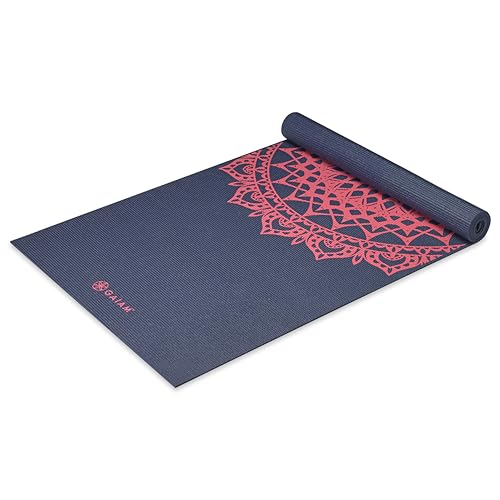
Choose yoga gear based on your practice style and body needs. For mats, prioritize thickness and grip; for clothing, look for stretch, moisture-wicking fabric, and a comfortable fit that allows free movement.
Starting a yoga practice is exciting, but walking into a store or scrolling online for gear can be overwhelming. Between different mat materials, clothing cuts, and accessory options, it is easy to get distracted by marketing gimmicks. This guide cuts through the noise and helps you pick yoga gear that actually supports your body and practice, without breaking the bank or cluttering your closet.
1. The Yoga Mat: Your Foundation
Your mat is the single most important piece of gear. It provides cushioning, grip, and a personal space for your practice. The right mat depends on the type of yoga you do and your personal comfort preferences. For gentle yoga like Hatha or Yin, a thicker mat (5mm or more) offers extra joint comfort. For sweaty practices like Vinyasa or Hot Yoga, look for mats with excellent grip, such as those made from natural rubber or polyurethane, which become stickier when wet.
Avoid buying a mat solely based on color or price. Instead, consider durability and eco-friendliness if that matters to you. PVC mats are common and affordable, but they are not biodegradable. Natural rubber and jute are sustainable options, though they may have a distinct smell initially. Always check the mat’s dimensions to ensure it fits your height, especially for prone postures.
Test the mat’s texture if possible. Some mats have a smooth, slightly suede-like surface that absorbs sweat; others are more porous. If you practice at home, a thicker mat might feel like a luxury. For travel, prioritize lightweight, foldable options. And remember, a mat is a personal item, so invest in one that feels right under your hands and feet.
2. Yoga Clothing: Comfort Meets Function
Yoga clothing should allow a full range of motion without riding up, pinching, or distracting you. Opt for stretchy fabrics like spandex, nylon, or polyester blends that move with you. Cotton is breathable but can hold moisture, making it clingy during sweaty sessions. Moisture-wicking materials are better for hot or vigorous practice. Seams matter: flatlock seams reduce chafing, especially during lying or folding postures.
For bottoms, choose between leggings, shorts, or loose pants based on your comfort. High-waisted leggings stay put in inversions, while shorts can prevent overheating. Avoid baggy pants that may bunch. Tops should be fitted enough to stay in place but not restrictive. Tank tops with built-in bras or shelf bras offer support without extra layers. Avoid clothing with large zippers, snaps, or thick straps that dig in during floor poses.
Ultimately, try on your yoga clothes and mimic a few poses like forward fold or downward dog. If you have to adjust constantly, the fit is wrong. Yoga is about being present, not pulling at your hem. Choose colors or patterns that make you feel good, as confidence matters too.
3. Props and Accessories: When and What to Use
Yoga props like blocks, straps, and blankets are not crutches; they are tools to deepen your practice and adapt poses to your body. A beginner may benefit most from a block and a strap. Blocks bring the floor closer, aiding in standing poses and forward folds if you have tight hamstrings. They also provide support for restorative poses. Foam blocks are lightweight and soft, while cork blocks are firm and sustainable. If you have joint issues, cork may feel too hard, so try before buying.
Straps help extend your reach, especially in poses like hamstring stretches or binds. A simple cotton strap with a D-ring is versatile and durable. Avoid overly stretchy straps because they defeat the purpose of stability. Yoga blankets are useful for cushioning under knees or shoulders and for warmth in Savasana. A thick, woven cotton blanket works well. You can often substitute household items, but dedicated props are sized and textured for yoga.
Other accessories like eye pillows or bolsters are nice for restorative or Yin yoga but not essential for general practice. Build your collection slowly as your practice evolves. The goal is to support your body, not accumulate gear.
4. Bags and Carriers: Practicality for Studio Goers
If you frequently take classes outside your home, a good yoga bag keeps your mat and gear organized and protected from dirt. The simplest option is a strap that secures your mat, but a dedicated bag offers compartments for a water bottle, towel, and change of clothes. Look for bag materials that are water-resistant or easy to clean, especially if your mat gets sweaty. Pockets for keys and phone are convenient.
Consider the bag’s shape and size. Tote-style bags can hold a rolled mat and props, but may be bulky. Backpack-style bags distribute weight evenly, which is better for walking or biking. Some bags have a separate compartment for a sweaty mat so it doesn’t dampen your clothes. If you travel, a lightweight, foldable bag is handy. Avoid heavy leather or canvas bags that add weight.
Think about your daily commute or storage at home. A bag that hangs easily or fits in a locker might matter. The best bag is one you don’t mind carrying. Remember, the bag itself is just a tool; the priority is protecting your mat and making your gear portable.
5. Care and Maintenance: Making Your Gear Last
Proper care extends the life of your yoga gear and keeps it hygienic. Most yoga mats can be cleaned with a mild spray of water and a few drops of tea tree oil or a specialized mat cleaner. Wipe down after each use, especially if you practice hot yoga. Avoid soaking the mat or using harsh chemicals, which can degrade the material. Let it air dry completely before rolling. Store it away from direct sunlight to prevent cracking.
Wash yoga clothing according to the label, typically in cold water and hang dry. Avoid fabric softeners because they can clog moisture-wicking properties. If you use a towel on your mat, wash it regularly to prevent bacteria buildup. Props like blocks and straps can be wiped with a damp cloth. Bolsters and blankets should be washed per care instructions, usually gentle cycle and air dry.
Replace your mat when it loses grip or starts flaking. Good gear can last years with proper care. Listen to your body’s feedback: if your mat feels slippery or your clothes don’t fit well, it might be time for an upgrade. Investing in quality and mindful maintenance is better for your wallet and the environment.
Frequently asked questions
What thickness should my yoga mat be?
For most practices, a 4 to 6mm mat balances cushioning and stability. If you have sensitive joints or primarily do gentle yoga, a thicker mat (6-8mm) offers more padding, while travel mats are much thinner.
Do I need special yoga clothes, or can I wear regular athletic wear?
Regular athletic wear works as long as it allows full range of motion and doesn't have thick seams or hardware that dig in. Yoga-specific clothes often have flat seams and moisture-wicking fabric, but they are not mandatory.
How do I clean my yoga mat properly?
Wipe your mat with a gentle solution of water and a few drops of mild soap or tea tree oil after each use. Avoid soaking it. Let it air dry completely before rolling. Deep clean monthly with a mixture of vinegar and water.
Are expensive yoga mats worth the money?
Not always. Price often reflects material quality (e.g., natural rubber, eco-friendly production) and durability. A mid-range mat can serve well for years. Try before you buy, or check return policies to ensure it suits your needs.
Looking to buy? See our Yoga guides for tested picks.