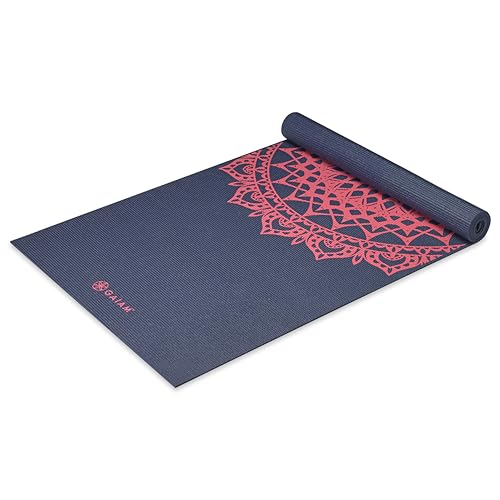
To care for yoga gear, wash mats with mild soap and air dry, launder clothes inside out on cold and skip fabric softener, and store everything away from direct sunlight. Clean blocks and straps with a damp cloth. Regular maintenance prevents odors and wear.
Your yoga gear works hard for you, supporting your practice through every pose, stretch, and sweat session. But without proper care, mats can get grimy, clothes can lose their stretch, and accessories can break down faster than they should. In this guide, we’ll walk you through practical, honest maintenance tips for your yoga mat, apparel, blocks, straps, and towels. No hype, just real advice to help your gear last longer and stay fresh.
Caring for Your Yoga Mat
Your yoga mat is the foundation of your practice, and it takes the most abuse. Sweat, dirt, and oils from your skin can break down the material over time. To keep it in top shape, clean it after every few uses. For a quick wipe, mix a few drops of mild dish soap with water in a spray bottle and gently scrub with a soft cloth. Avoid harsh cleaners like bleach or vinegar, which can degrade the mat’s surface.
For a deeper clean, submerge the mat in a tub of cool water with a tiny amount of gentle soap. Use a soft sponge to wipe both sides, rinse thoroughly, and hang to dry. Never wring or machine wash a mat, as this can ruin its texture and support. Dry it flat or over a rod away from direct sunlight, which can cause cracking. If your mat starts to smell, sprinkle baking soda on it, let it sit for 15 minutes, then wipe off with a damp cloth.
Washing Your Yoga Clothes
Yoga clothes are made of performance fabrics that need special care to maintain their elasticity and moisture wicking properties. Always turn them inside out before washing to protect the outer surface and prevent pilling. Use cold water on a gentle cycle, and skip the fabric softener. Softeners coat the fibers, reducing their ability to breathe and wick sweat.
Choose a mild, sports specific detergent or a gentle free and clear option. Harsh detergents with brighteners or enzymes can break down spandex and elastane over time. After washing, air dry your clothes whenever possible. High heat from dryers can damage elastic and cause shrinking. If you must use a dryer, use the lowest heat setting and remove while slightly damp. Also, avoid using bleach or stain removers that contain chlorine.
Maintaining Yoga Accessories: Blocks, Straps, and Towels
Yoga blocks, straps, and towels also need regular cleaning. Cork and foam blocks can be wiped down with a damp cloth and mild soap. For cork, avoid soaking it, as it can absorb water and warp. Foam blocks should be air dried completely to prevent mold. Straps can be machine washed in a mesh bag on a gentle cycle, then hung to dry. Avoid ironing or using high heat near plastic buckles.
Yoga towels that go over your mat should be washed after each use to prevent bacteria buildup. Follow the same care as your clothes: cold water, gentle cycle, no fabric softener. Tumble dry on low or air dry. For sticky towels, avoid dryer sheets, which can reduce their grip. Replace any accessory that shows signs of fraying, cracking, or loss of function, as it may no longer provide safe support.
Storage Tips to Extend Gear Life
How you store your yoga gear matters as much as how you clean it. Always roll your mat loosely instead of folding it, as creases can become permanent and weaken the material. Store it in a cool, dry place away from direct sunlight or extreme temperatures. If you use a mat bag, make sure the mat is fully dry before putting it away to prevent mildew.
Hang your yoga clothes in a well ventilated closet, not in a damp bathroom. Avoid stuffing them in a gym bag for long periods. For blocks and straps, keep them in a breathable bin or shelf. If you practice hot yoga, consider having two sets of clothes and towels so you can rotate and let each fully dry. Proper storage prevents unnecessary wear and keeps your gear fresh for your next practice.
When to Replace Your Yoga Gear
Even with the best care, yoga gear eventually wears out. A yoga mat should be replaced when it loses its grip, develops thin spots, or starts flaking. Typically, a high quality mat lasts 1 to 3 years depending on use. If you notice your hands slipping in downward dog or the mat feels less cushioned, it’s time for a new one.
Yoga clothes need replacing when they lose elasticity, become see through, or develop persistent odors that washing can’t remove. Straps should be replaced if the buckle is damaged or the fabric is frayed. Blocks that are cracked or compressed no longer provide stable support. Trust your instincts. If gear feels unsafe or uncomfortable, replace it. Investing in new gear is worth it for your practice and safety.
Frequently asked questions
Can I use essential oils to clean my yoga mat?
It's best to avoid essential oils as they can leave residue and degrade the mat's material. Stick to mild soap and water instead.
How often should I wash my yoga towel?
Wash your yoga towel after every use, especially if you practice hot yoga. This prevents bacteria buildup and keeps it effective.
Is it okay to machine dry my yoga pants?
Air drying is best to preserve elasticity. If you must use a dryer, choose low heat and remove while slightly damp to prevent damage.
What's the best way to remove odor from a yoga mat?
Sprinkle baking soda on the mat, let it sit for 15 minutes, then wipe clean with a damp cloth. This neutralizes odors without harsh chemicals.
Looking to buy? See our Yoga guides for tested picks.