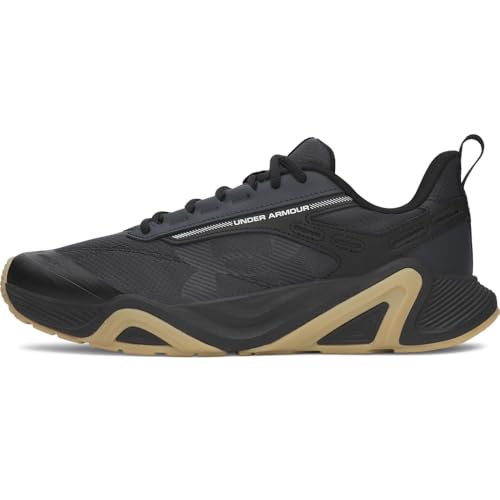
 Related pick
To maintain training shoes, rotate between pairs, clean them regularly with mild soap and water, air dry away from heat, store in a cool dry place, and replace them every 300-500 miles or when cushioning feels worn. Avoid machine washing and direct sunlight.
Your training shoes are the most important piece of gear you own. They absorb impact, support your feet, and help you train harder. But without proper care, they wear out faster, lose performance, and can even increase injury risk. This guide gives you honest, practical tips to keep your shoes in top shape longer, save you money, and keep your workouts safe.
Why Proper Shoe Care Matters
Many athletes treat training shoes as disposable. But the truth is, regular maintenance can add months to their lifespan. Shoe companies design midsoles with foam that compresses over time. Dirt and sweat break down materials. By caring for your shoes, you preserve the cushioning and support that prevent shin splints, plantar fasciitis, and knee pain.
Even if you don’t notice wear, the foam loses resilience after about 300 to 500 miles. That’s roughly 4 to 6 months for most runners. Paying attention to how your shoes feel and look, and cleaning them properly, helps you know when it’s time for a new pair. Neglecting care means you could be training in shoes that no longer protect you.
Another reason: sweat and bacteria cause odor and degrade the upper. Simple cleaning keeps your shoes fresh and your feet healthier. It’s not about making them look new; it’s about maximizing performance and safety.
Cleaning Your Training Shoes the Right Way
The golden rule: never machine wash or dry. The agitation damages glue, mesh, and foam. Instead, remove the insoles and laces. Brush off loose dirt with a soft brush. Mix a small amount of mild detergent (like dish soap) with cool water. Dip a cloth or soft brush, scrub the upper gently, then wipe with a damp cloth. For the outsole, use an old toothbrush to get mud out of treads.
Rinse with a clean, damp cloth to remove soap residue. Never soak the shoes. Stuff them with newspaper or paper towels to absorb moisture and help them keep shape. Let them air dry at room temperature, away from radiators, heaters, or direct sun. Heat shrinks materials and weakens glue. Drying typically takes 12 to 24 hours. Replace newspaper when damp.
For tough stains on white mesh or leather, use a paste of baking soda and water, scrub gently, and rinse. Avoid bleach or harsh chemicals. Clean your shoes only when needed, not after every workout. Overcleaning can break down materials faster.
Drying and Storing Your Shoes for Longevity
After a sweaty run or rain, never toss wet shoes in a closet. Air them out immediately. Remove insoles and laces, open the shoes wide, and place them in a well-ventilated area. A fan speeds drying. Avoid direct heat sources like hair dryers or radiators; they can warp the shoe and melt glue. If you must dry quickly, use a shoe dryer designed for low heat.
Stuffing shoes with crumpled newspaper or paper towels absorbs moisture and maintains shape. Change the paper after a few hours. Never use electric heaters. For storage, keep shoes in a cool, dry place away from sunlight. UV rays break down rubber and foam. Don’t leave them in a car or garage where temperatures fluctuate.
Use a shoe tree or keep them upright. Avoid stacking heavy objects on top. If you store seasonal shoes, wrap them in a cloth bag or box with silica gel packets to control humidity. Proper storage prevents midsole crumbling and upper cracking.
When to Retire Your Training Shoes
Most training shoes last between 300 and 500 miles. That’s about 4 to 6 months for runners logging 20-30 miles per week, or 6-8 months for casual gym goers. But mileage isn’t the only factor. Body weight, running surface, and gait also affect wear. Check for these signs: the midsole feels flat or hard, the outsole is smooth in areas, the heel counter is loose, or you have new aches in joints or shins.
Another test: press your thumb into the midsole at the heel. If it feels like a rock, the foam is dead. Also look at the tread. If the rubber is worn down to the foam in high-impact zones, it’s time. Even if the shoe looks good, if it has more than 500 miles, the cushioning is likely gone.
Donate or recycle old shoes if they are still in decent shape. Many running stores and charities accept them. Don’t keep using worn shoes for walking or casual wear; they no longer provide proper support and can cause problems.
Rotating and Extending Shoe Life
One of the best habits is to own two or more pairs of training shoes and rotate them. Alternating allows the foam in each pair to decompress and recover between workouts. That can extend the lifespan of each pair by 20-30%. Rotating also reduces the risk of overuse injuries from wearing the same worn-out shoe every day.
If you run or train daily, have one pair for hard days and one for easy days, or use different models for different activities (like cross-training vs. running). This also gives you a backup if one pair gets wet. Never wear wet shoes; they lose support and can cause blisters.
To further extend life, only wear your training shoes for their intended activity. Avoid using them for casual walking, gardening, or other tasks. That saves the outsole and cushioning for when you need it. Also, replace insoles every few months if they flatten. High-quality aftermarket insoles can add comfort and support.
Frequently asked questions
Can I put my training shoes in the washing machine?
No. Machine washing damages glue and foam, causing shoes to fall apart faster. Hand wash with mild soap and water instead.
How often should I clean my training shoes?
Clean them only when visibly dirty or smelly, not after every workout. Overcleaning wears out materials. Once every few weeks is usually enough.
How do I know when my training shoes are worn out?
Replace them when you feel less cushioning, see uneven tread wear, or develop new aches. Typically after 300-500 miles or every 4-6 months.
Is it okay to dry my shoes in the sun?
No. Direct sunlight degrades rubber and upper materials. Always air dry indoors at room temperature with good ventilation.
Looking to buy? See our Footwear guides for tested picks.