Recovery boots use pneumatic compression to flush lactic acid and reduce swelling, ideal for full leg recovery after intense training. Massage guns target specific knots with percussive therapy, better for pinpoint muscle relief before or after workouts. Choose boots for passive systematic recovery, guns for active spot treatment.
When your muscles ache after a tough workout, you want relief fast. Two popular options are recovery boots and massage guns. Both promise to speed recovery, but they work very differently. This article breaks down how each works, their pros and cons, and how to pick the right one for your fitness routine. No hype, just practical advice for active people.
How Recovery Boots Work
Recovery boots, also called compression boots, wrap around your legs and inflate with air. They use sequential compression, squeezing from your feet upward to push blood and lymph fluid back toward your heart. This mimics the muscle pump effect of walking or running, but without any effort from you.
The pressure helps reduce swelling and inflammation after a hard workout. Many athletes use them for 15 to 30 minutes post exercise to speed up the removal of metabolic waste like lactate. The main benefit is passive recovery: you sit back and let the boots do the work, freeing your hands to read or watch TV.
Boots typically cover both legs at once, making them efficient but also large and expensive. They are best for lower body recovery, though some models offer arms or hips attachments. If you do a lot of leg days, running, or cycling, boots can be a game time investment in your recovery routine.
How Massage Guns Work
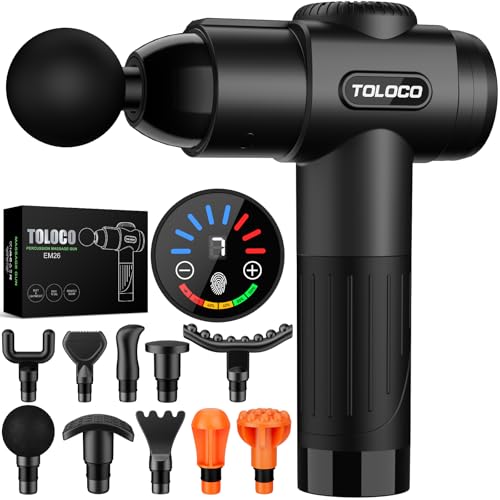
Massage guns deliver rapid, repetitive percussive therapy to specific muscles. They use a motor to drive a padded attachment that pounds into your tissue at varying speeds and depths. The idea is to break up knots, increase blood flow to targeted areas, and reduce muscle tension before or after exercise.
Unlike boots, massage guns are handheld and portable. You can use them on any muscle group: quads, calves, back, shoulders, even feet. They allow you to control the pressure and location, making them ideal for treating specific tight spots. Many people use them as part of a warm up to activate muscles or post workout to relieve soreness.
Massage guns are generally more affordable and compact than boots. However, they require you to do the work of holding and moving the device. They can also be too intense if used improperly, so it is important to avoid bones and joints. For DIY myofascial release, a massage gun is a versatile tool.
Comparing Effectiveness for Recovery
Both devices can help with recovery, but they target different aspects. Recovery boots are better for systemic recovery: reducing overall leg swelling, improving circulation, and decreasing delayed onset muscle soreness (DOMS) after heavy leg training. Studies show they can improve muscle function recovery within 24 hours post exercise.
Massage guns excel at localized relief. If you have a specific knot in your calf or a tight hip flexor, a massage gun can work that area more directly than boots. Percussive therapy can also increase range of motion temporarily, making it useful before stretching or competition.
For the average person, the choice depends on your primary activity. If you are a runner or lifter with frequent leg soreness, boots give you a hands off recovery session. If you need to target multiple body parts or have a favorite spot that always tightens up, a massage gun wins. Many athletes eventually own both.
Practical Considerations and Downsides
Recovery boots are expensive and take up significant space. They are not portable, so you use them at home. Some models are loud, and the compression can feel intense if you are not used to it. They also only treat the lower body unless you buy add ons. Cleaning is minimal but you have to store them.
Massage guns are cheaper and easy to bring to the gym or on trips. However, they demand your active participation. The noise can be disruptive, and the vibration can cause hand fatigue. Overuse or using too much pressure can bruise tissue. Batteries die eventually, and cheaper guns may lack power or stall under pressure.
Both require some learning curve. For boots, you need to find the right pressure setting. For guns, you need to learn proper technique: move slowly, avoid bones, and do not stay on one spot too long. Neither is a substitute for rest, sleep, and proper nutrition, but both can be helpful tools.
Which One Should You Choose?
Start by thinking about your goals. If you want to speed recovery after intense leg workouts without effort, recovery boots are a solid investment. They are especially useful for endurance athletes or people with swelling issues. If you want a versatile tool to relieve muscle knots and warm up before activity, go with a massage gun.
Consider your budget and space. Boots cost several hundred dollars and are bulky. Massage guns start lower and fit in a drawer. If you are unsure, try borrowing a friend’s device or look for a place that offers rentals. Many gyms now have both available for members to try.
Remember that no tool replaces consistent training, stretching, and listening to your body. Both recovery boots and massage guns can enhance your routine, but they are not magic. Pick the one that fits your lifestyle, and use it correctly. Your muscles will thank you.
Frequently asked questions
Can I use a massage gun on my legs after using recovery boots?
Yes, you can combine both for a comprehensive recovery. Use boots first for overall flushing and then a massage gun on any remaining tight spots. Just avoid overdoing it and listen to your body.
Are recovery boots safe for people with medical conditions?
People with deep vein thrombosis, blood clots, or certain circulatory issues should avoid compression boots. Always consult a doctor before using any recovery device if you have health concerns.
How long should I use a massage gun on one muscle group?
Limit treatment to one to two minutes per muscle group. Staying longer on a single spot can cause bruising or nerve irritation. Move the gun slowly and keep it gliding.
Do recovery boots help with plantar fasciitis?
Some users find relief because the compression increases circulation to the feet and lower legs. However, boots are not a cure for plantar fasciitis. Consult a specialist for proper treatment.
Looking to buy? See our Massage Guns guides for tested picks.