 Related pick
The lifespan of strength training equipment varies: dumbbells and barbells last decades with care, weight stacks and cables 10-20 years, benches 5-15 years, and resistance bands 6-12 months. Regular maintenance like proper storage and occasional lubrication extends life significantly.
Strength training equipment is an investment in your health and fitness. Whether you are building a home gym or maintaining commercial gear, knowing how long each piece lasts helps you plan for replacements and keep your workouts safe and effective. We have researched typical lifespans based on material, usage frequency, and maintenance so you can get the most out of your equipment.
Dumbbells and Barbells: Decades of Durability
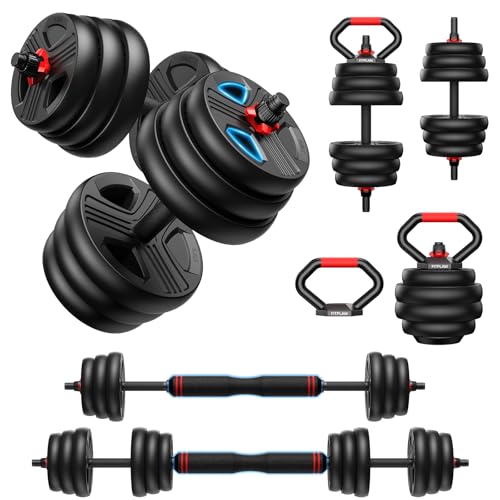
Cast iron, rubber hex, and Olympic barbells are the workhorses of any gym. With basic care, cast iron or steel dumbbells and barbells can last 10 to 30 years or more. The main factors are rust prevention and avoiding heavy drops on concrete. Keeping them in a dry environment and wiping down after sweaty sessions prevents corrosion. Rubber coated versions may show wear on the coating after 5-10 years, but the core metal remains usable indefinitely if not abused. Occasional oiling of moving parts on adjustable dumbbells extends their life too.
Cheaper chrome-plated barbells may peel or rust faster, often within 5-10 years. However, high quality bars from reputable manufacturers, when stored properly and used without excessive bending, can last a lifetime. For home users, a good set of dumbbells is a one-time purchase, and many home gym owners pass them down. Commercial gyms replace bars every 5-10 years due to high frequency usage, but home users can expect 20+ years.
Weight Stack Machines and Cable Attachments: 10-20 Years
Pin loaded machines with weight stacks have a long lifespan, often 15 to 20 years if maintained. The steel guide rods and weight plates are durable, but the cable system (steel cables or nylon straps) and pulleys wear out faster. Cables should be inspected annually for fraying and replaced every 5-10 years depending on use. Pulley wheels can develop flat spots from heavy loading, leading to friction and noise. Proper lubrication of guide rods and pivot points is essential every few months.
Seat cushions and upholstery typically fail first, especially in commercial settings, lasting 5-10 years before needing reupholstery. Home users may get 15+ years from the same cushion. The frame itself, if welded steel, can last decades. The main cause of replacement in home gyms is not wear but desire for new features. For those buying used, check cable integrity and look for smooth pulley movement.
Benches and Squat Racks: 5-15 Years Depending on Build
A sturdy power rack can last over 20 years if made from thick gauge steel and kept in a dry place. The frame rarely fails, but the hardware like J-hooks, safety pins, and latches may wear and need replacement every 5-10 years. Rust is the enemy; powder coated racks resist better. Adjustable benches have more moving parts: the hinge and back pad are common weak points. Expect 5-10 years for a bench used 3-5 times per week. The pad foam compresses over time, and vinyl upholstery may tear. Higher end commercial benches last longer, up to 15 years.
For home users, a well built power rack is a long term purchase. Cheaper racks with plastic components or thin steel may wobble and fail sooner. Always check the weight capacity rating. Maintaining a bench involves tightening bolts and cleaning upholstery. Some users replace the pad with a thicker one to extend life. Overall, you can expect a good bench and rack to serve you for a decade or more with reasonable care.
Bumper Plates and Kettlebells: Very Long Life
Bumper plates made of virgin rubber can last over 10 years even in commercial crossfit gyms. The rubber may crack or become brittle over time, especially if exposed to UV light or extreme temperatures. Color coatings fade but do not affect function. The steel insert is the most durable part. For home gyms, plain cast iron plates are virtually indestructible; they can outlast you if kept dry. Kettlebells, being solid iron or steel with a coating, similarly last multiple decades. Powder coated or enameled kettlebells may chip, but bare iron is nearly eternal.
The biggest threat to bumper plates is dropping them repeatedly on rough surfaces, which can chip the rubber edge. Avoid dropping on concrete without mats. Kettlebells dropped on hard floors can dent floors but the kettlebell itself remains functional. Storage wise, plate trees and racks help organize but do not affect longevity. Many used plates and kettlebells from the 1990s are still in perfect shape. If you see a good deal on used cast iron, it is likely a safe purchase.
Resistance Bands and Medicine Balls: Short Lifespan
Resistance bands are the least durable equipment. Latex bands degrade over time, especially from heat, UV light, and oils. Expect 6 to 12 months for medium use; heavy use may require replacement every 3-6 months. Flat bands often tear at the middle from repeated stretching. Loop bands lose elasticity and snap. Fabric covered bands last slightly longer, 12-18 months, but the fabric can fray. To extend life, store bands in a cool dark place and avoid stretching past 2-3 times their length. Never use bands with cracks or weak spots.
Medicine balls with rubber coating can last many years if not abused. However, filled medicine balls (with sand or water) can leak if the seam splits, especially if thrown or slammed frequently. Solid rubber medicine balls last 5-10 years, while leather ones may dry rot. For slamming balls, the outer coating wears out after 1-3 years of regular slamming. For general use, a good medicine ball is a longer term investment. Always inspect before each use for safety.
Frequently asked questions
How often should I replace my barbell?
For a home gym, a quality barbell can last a lifetime if maintained; replace only if it bends or rusts severely. Commercial gyms replace barbells every 5-10 years due to heavy use.
Do weight plates wear out?
Cast iron and steel plates are extremely durable and can last decades. Bumper plates may crack after 10+ years, but only need replacement if the rubber becomes unstable.
What is the best way to store resistance bands?
Store bands in a cool, dark place away from sunlight and heat. Hanging them loose or in a drawer prevents kinking and extends their life.
Can I extend the life of my cable machine?
Yes, wipe the guide rods with a silicon lubricant every few months and inspect cables for fraying. Replace cables every 5-10 years to prevent sudden breaks.
Looking to buy? See our Strength Training guides for tested picks.