 Related pick
A home gym for beginners should start with adjustable dumbbells, a resistance band set, a yoga mat, and a pull-up bar. Add kettlebells and a jump rope for cardio. Prioritize versatile, space-saving gear and focus on form over fancy machines.
Starting a home gym can feel overwhelming with so many equipment options and conflicting advice. This checklist cuts through the noise to help you build a practical, effective setup that fits your space, budget, and fitness goals. Whether you are a complete beginner or looking to streamline your current setup, these essentials will get you strong without the clutter.
1. Start with the Core: Adjustable Dumbbells and a Bench
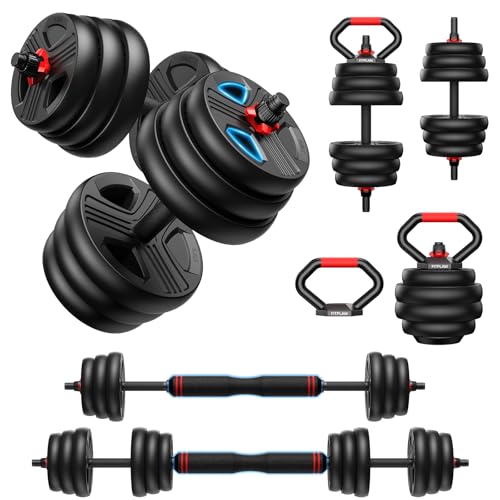
Adjustable dumbbells are the backbone of any home gym. They replace a whole rack of fixed weights and let you do hundreds of exercises from bicep curls to lunges. Look for a set with a quick change mechanism so you can adjust weight between sets without wasting time. A weight range of 5 to 50 pounds per dumbbell is enough for most beginners.
A sturdy, adjustable bench is the second most important piece. It lets you do presses, rows, step-ups, and more. Choose a bench that can go flat, incline, and decline. Avoid flimsy benches that wobble. Pair your dumbbells and bench with a mat to protect your floor and reduce noise.
With just these two items, you can perform dozens of exercises covering all major muscle groups. This is the most cost effective way to start. As you progress, you can add more weight plates or upgrade to a barbell set if you have the space.
2. Add Versatile Accessories: Resistance Bands and Kettlebells
Resistance bands are cheap, portable, and incredibly versatile. They provide variable resistance, which means the movement gets harder as the band stretches. Use them for warm-ups, stretching, or adding difficulty to bodyweight exercises like push-ups and squats. A set with multiple resistance levels (light, medium, heavy) covers most needs.
Kettlebells complement dumbbells well because they allow for dynamic movements like swings, cleans, and snatches. A single kettlebell in the 15 to 25 pound range for women, or 25 to 35 pounds for men, is a great start. Kettlebells also work your grip and core differently than dumbbells, adding variety to your workouts.
Both bands and kettlebells take up minimal space. They are ideal for small apartments or for adding to your gym on a budget. You can also use them for travel workouts, making your home gym truly portable.
3. Don't Skip the Flooring: Mats and Protection
Flooring is often overlooked but critical for safety and equipment longevity. A good exercise mat (at least 6mm thick) provides cushion for floor work, yoga, and stretching. It also protects your floor from sweat and dropped weights. For deadlifts or heavy kettlebell swings, consider interlocking foam tiles or rubber mats to dampen impact and noise.
If you are in an apartment, adding a thick rug or carpet remnant under your mats further reduces noise for neighbors. Proper flooring also gives you a stable, non-slip surface for exercises like burpees or lunges. It makes your home gym feel like a real workout space, which can boost motivation.
Budget tip: Start with a single large yoga mat (6×4 feet) and add foam tiles later as you expand. Avoid cheap mats that tear or slide. A durable mat is an investment in safety and comfort.
4. Cardio and Mobility: Jump Rope and Foam Roller
A jump rope is the most efficient cardio tool for a home gym. It takes up no space, costs very little, and gives you a high intensity workout in minutes. Learn basic jumps and progress to variations like high knees or double unders. A speed rope with ball bearings turns smoothly and lasts longer.
A foam roller is essential for recovery and mobility. After workouts, roll out tight muscles to reduce soreness and improve flexibility. Focus on legs, back, and glutes. A medium density roller is best for beginners; you can upgrade to a vibrating one later if you like. Add a lacrosse ball for targeting knots in shoulders and hips.
For a well rounded home gym, include a pull-up bar if you have a suitable doorway. Pull-ups are a top compound movement for upper body strength. Combine it with the jump rope and foam roller for a complete warm up and cool down routine.
5. Organization and Motivation: Storage and a Plan
Keeping your equipment organized prevents clutter and saves time. Use a simple shelf or storage rack for dumbbells, bands, and kettlebells. Wall hooks hold jump ropes and resistance bands. A small basket or bin stores foam rollers and mats. When your gym is neat, you are more likely to use it.
Equally important is having a workout plan. Without a plan, beginners often waste time or skip exercises. Choose a program that uses your equipment, like a full body dumbbell routine or a bodyweight circuit. Many free apps or online guides offer structured workouts. Write down your sessions or track them on your phone to stay consistent.
Finally, consider a mirror. A full length mirror helps you check your form during exercises like squats and rows. It also makes the space feel larger. With these final touches, your home gym becomes a motivating, efficient place to reach your fitness goals.
Frequently asked questions
Do I need a lot of space to start a home gym?
No. A corner in a room or a garage area is enough. Start with a mat, adjustable dumbbells, and resistance bands to keep your footprint small.
What is the most important piece of equipment for a beginner?
Adjustable dumbbells. They replace many fixed weights and allow for a huge range of exercises. Combine with a bench for maximum versatility.
Can I get a good workout without expensive machines?
Yes. Bodyweight exercises, resistance bands, and free weights like kettlebells and dumbbells are very effective. Machines are not necessary for building strength and fitness.
How do I stay motivated to use my home gym?
Set a schedule, keep your space organized, and follow a structured program. Also, working out with a friend or using fitness apps can keep you accountable.
Looking to buy? See our Strength Training guides for tested picks.