 Related pick
The biggest mistake is buying trendy equipment that doesn't fit your goals or space. Focus on versatile essentials like a barbell, plates, and a rack. Avoid cheap bars, mismatched plates, and forgetting to plan for future progression.
Walking into a fitness store or browsing online for strength training gear can be overwhelming. Between flashy ads, influencer endorsements, and endless options, it is easy to make purchases you later regret. Whether you are a beginner or a seasoned lifter, the wrong equipment can waste money, take up space, and even hinder your progress. This article covers the most common buying mistakes and how to avoid them so that every dollar and square foot works for your goals.
Buying Equipment That Does Not Match Your Goals
Many people buy what looks impressive rather than what serves their training. A powerlifting barbell might be fun, but if your focus is general fitness or bodybuilding, a standard Olympic bar will do. Likewise, buying a leg press machine for a home gym often takes up huge space and rarely gets used. Ask yourself what your main lifts will be. If you are not competing, you do not need specialty bars like a safety squat bar or a trap bar right away.
Start with the basics: a barbell, weight plates, a squat rack or stand, and a bench. These will cover squats, bench press, deadlifts, and overhead press. From there, add dumbbells, resistance bands, or cable attachments as needed. Think long term. If you plan to get stronger, your equipment should allow you to add weight over time. Avoid pieces that lock you into a fixed weight or range of motion.
Prioritizing Price Over Quality
The cheapest option is rarely the best value. A low cost barbell might have poor knurling, spin, or tensile strength. It can bend under heavy loads or become dangerous. The same goes for plates: budget plates often have inconsistent diameters, making Deadlifts feel uneven. A quality bar costs more upfront but lasts for decades. Look for a bar rated at least 150,000 PSI (pounds per square inch) and with proper dual or needle bearings for rotating lifts.
Do not confuse price with branding. Some expensive gear is overpriced, and some medium priced brands offer great value. Read reviews from lifters who have used the product for months. Check warranty terms. Good equipment usually comes with a warranty of 5 years or more. If a deal seems too good, it probably is. You are better off with fewer good pieces than a pile of junk.
Forgetting About Space and Storage
Home gym spaces are often smaller than imagined. A 6 foot barbell needs 7 feet of horizontal space. A squat rack needs a footprint of about 4 by 4 feet, plus clearance for the bar path. Many people buy a full power rack before measuring, then it cannot fit or blocks doorways. Before buying, measure your floor space and ceiling height. Ceilings under 8 feet limit standing overhead press with a barbell. You may need adjustable dumbbells or kettlebells instead.
Also think about storage. Plates need a plate tree or storage pins. Barbells need a vertical stand or wall mount. Bands and accessories need hooks or shelves. If you do not plan where everything lives, your gym becomes cluttered. Some people buy folding racks or wall mounted solutions to save space. Consider flip down benches or adjustable dumbbells that reduce the need for multiple items.
Overlooking Future Progression Needs
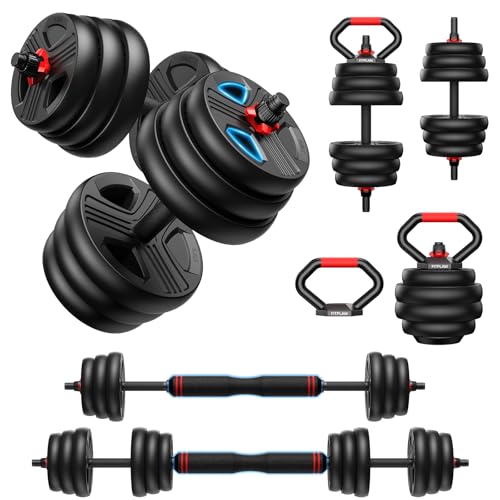
New lifters often buy a set of fixed dumbbells (like 5 30 pounds) and later realize they need heavier ones. Same with kettlebells. This leads to rebuying or owning redundant gear. Instead, invest in adjustable dumbbells that go up to 50 or more pounds each. Or buy a few pairs of heavier dumbbells and use plate loaded handles. For barbell training, buy a barbell that can handle more weight than you ever plan to lift. A 1500 pound rated bar is overkill for most, but a 700 pound bar gives headroom.
Also consider that your goals may change. You might start with bodybuilding, then transition to powerlifting or strongman. Look for equipment that works for multiple styles. For example, a rack with pull up bar, plate storage, and safety straps is more versatile than a simple squat stand. Avoid machines that only allow one movement pattern. They become limiting as you progress.
Ignoring Compatibility and Measurements
Not all bars and plates fit together. Standard 1 inch plates do not fit Olympic bars (2 inch sleeves). Even among Olympic, some plates have small holes that jam on sleeves. Make sure your plates have standard 2 inch openings. Also, bumper plates for deadlifts need to be the correct diameter (usually 450mm) to work with rack heights. Mixing rubber and iron plates of different diameters can cause issues with loading.
The same goes for bench heights. A flat bench should be about 17 18 inches high to allow proper foot drive. Adjustable benches need to be sturdy and not wobble. When buying a rack, check the hole spacing. 2 inch spacing is common and works for most, but 1 inch spacing gives more flexibility for J hook and spotter arm placement. Always verify that the rack’s posts are compatible with your accessories like dip bars or landmine.
Frequently asked questions
Should I buy a power rack as a beginner?
Yes, a power rack is one of the best investments for safety and versatility. It allows you to squat and bench with spotter arms, add pull up bars, and store plates.
Are adjustable dumbbells a good choice?
Yes, they save space and money by replacing multiple pairs. Choose ones with a quick change mechanism and solid construction to avoid failure during heavy use.
What should I look for in a barbell?
Look for a tensile strength of at least 150,000 PSI, proper knurling for grip, and dual needle bearings for spin. A 28.5mm diameter is standard for most lifts.
Is it okay to buy used equipment?
Yes, but inspect for rust, bent shafts, and worn bushings. Test the spin and knurling. Avoid used bars with play in the sleeves, as they can be dangerous.
Looking to buy? See our Strength Training guides for tested picks.