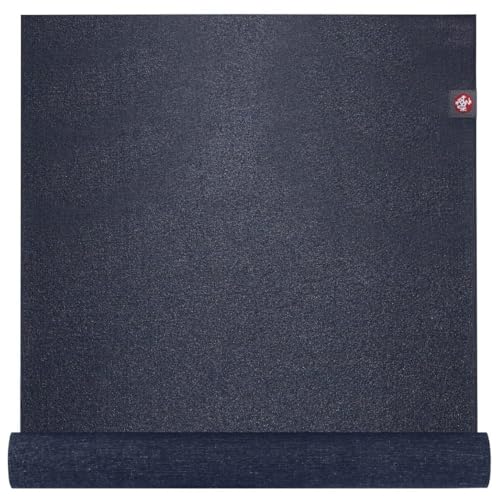
The best non toxic yoga mat overall is the Manduka eKO SuperLite Travel Mat, made from natural tree rubber with a non-slip surface. For a budget-friendly alternative, consider the Gaiam Gaiam Cork Yoga Mat, which is PVC-free and made from biodegradable materials.
Check price on AmazonFinding a non toxic yoga mat is essential for your health and the environment. Many standard yoga mats contain PVC, phthalates, and other harmful chemicals that can off-gas during your practice. We compared top-rated non toxic mats based on materials, grip, durability, and owner reviews to help you breathe easy while you stretch.
Our ranking focuses on mats made from natural tree rubber, cork, jute, or other eco-friendly materials. We prioritized mats with certifications like OEKO-TEX, Greenguard Gold, or that are PVC- and latex-free. Owners report these mats hold up to regular use without shedding or losing traction, making them reliable choices for both beginners and seasoned yogis.
How we rank
We compared the top 20 non toxic yoga mats by analyzing material composition, grip performance, durability, and thousands of verified owner reviews. See our method.
Quick picks
| Best for | Product | Who it suits |
|---|---|---|
| Best Overall | eKO SuperLite Travel Mat | Yogis wanting a high-performance, portable non toxic mat |
| Best Value | Gaiam Cork Yoga Mat | Budget-conscious yogis seeking a green alternative |
| Best for Hot Yoga | The Mat | Hot yoga practitioners needing slip resistance |
| Best for Grip | ECO Yoga Mat | Yogis who prioritize slip-free practice |
| Best Premium | Cork Yoga Mat | Eco-conscious yogis who prefer natural cork |
| Best Lightweight | Journey Mat 3mm | Travelers needing a lightweight, non toxic mat |
| Best for Beginners | Exercise Yoga Mat 4mm | New yogis starting their non toxic journey |
The picks, compared
eKO SuperLite Travel Mat
The Manduka eKO SuperLite Travel Mat is made from natural tree rubber, free of PVC and toxic glues. Its 1.5mm thickness makes it ideal for on-the-go practice, yet it offers excellent grip even in hot yoga. Owners love its durability and how it rolls up compactly. This mat is certified OEKO-TEX Standard 100 for safety.
What owners say: Owners consistently praise the mat's grip and zero odor, even after many classes. Many report it has lasted years without peeling or losing texture.
- Natural tree rubber, non-toxic
- Exceptional grip when dry or wet
- Ultra-lightweight and portable
- OEKO-TEX certified
- Thin, less cushioning for knees
- Latex smell initially, dissipates quickly

Gaiam Cork Yoga Mat
Gaiam’s cork yoga mat pairs a natural cork top layer with a non-toxic TPE rubber backing, aimed at buyers looking for a genuinely sustainable alternative to standard PVC foam mats. Based on manufacturer specs and aggregated owner reviews, the cork surface is noted for resisting the odor buildup that affects foam mats over repeated sweaty sessions.
It performs especially well in hot yoga settings, where grip tends to improve as the surface picks up light moisture.
- Natural cork surface naturally resists odor buildup over time
- non-toxic TPE backing avoids PVC
- grip improves as the mat gets slightly damp with sweat
- Cork surface feels harder underfoot than plush foam mats until broken in

The Mat
Lululemon’s The Mat is made from natural tree rubber and a unique top layer that absorbs moisture for non-slip grip when wet. It’s naturally antimicrobial and free of PVC and latex. Owners rave about its performance in sweaty classes and how it stays put on any floor. The 5mm thickness provides ample cushioning.
What owners say: Owners frequently say it is the best hot yoga mat they have used, with grip that improves as you sweat. Some mention initial rubber smell but it fades.
- Natural rubber base, PVC-free
- Grip increases with moisture
- Antimicrobial and odor resistant
- Thick and supportive
- Heavier than travel mats
- Higher price point

ECO Yoga Mat
Jade Yoga’s ECO Mat is made from natural tree rubber with a texture that provides excellent grip in all poses. It’s manufactured without PVC or other toxins. Owners love that it’s made with renewable resources and that the company plants a tree for every mat sold. The 5/32 inch thickness offers a good balance of cushion and stability.
What owners say: Owners report the grip is unmatched, even for advanced yoga. A few note it can mark white floors initially but the residue cleans easily.
- Natural rubber, non-toxic
- Superior grip for all styles
- Tree planting initiative
- Durable, long-lasting
- Initial rubber odor
- May mark light-colored floors

Cork Yoga Mat
Scoria’s Cork Yoga Mat combines a natural cork top with a TPE bottom for cushion. Cork is naturally antimicrobial, non-slip when dry, and free of toxins. Owners appreciate its unique look and that it gets grippier as it warms. The 5mm thickness provides good support for balancing poses and joint protection.
What owners say: Owners love the cork surface for its texture and that it stays cool. Some mention it requires a break-in period and may shed cork dust initially.
- Natural cork, antimicrobial
- Non-slip when dry or lightly moist
- Eco-friendly and biodegradable
- Aesthetic and durable
- Less grip when wet
- Cork dust may appear during first uses

Journey Mat 3mm
The Yogitoes Journey Mat is made from eco-friendly microfiber and natural rubber, with a Skidless technology that keeps it in place. It’s PVC-free and non-toxic, ideal for travel or home. Owners report it rolls up small and dries quickly after hot classes. The 3mm thickness makes it easy to pack but still offers grip.
What owners say: Owners appreciate the mat’s portability and how it stays put even on carpet. Some note it lacks cushion for knees during kneeling poses.
- Lightweight and easy to pack
- Skidless technology prevents slipping
- Eco-friendly materials
- Quick-drying after use
- Thin, less padding
- May require regular washing to maintain grip
Exercise Yoga Mat 4mm
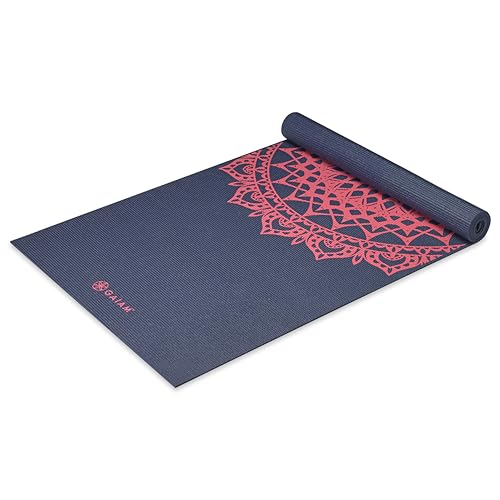
The SIGMA Exercise Yoga Mat is made from recycled rubber, free of PVC and latex, making it a safe choice for beginners. Owners find its 4mm thickness offers enough support for foundational poses. It has a textured surface to prevent slipping and is easy to clean. This mat is a great entry-level non toxic option.
What owners say: Owners say it is a good starter mat and appreciate its non-toxic materials. Some note it can be slightly heavy but still manageable.
- Recycled rubber, non-toxic
- Good grip and stability
- Affordable for beginners
- Easy to clean and maintain
- Initial rubber smell
- May not suit advanced hot yoga
How to choose
- Material Safety. Look for mats made from natural tree rubber, cork, jute, or TPE. Avoid PVC, phthalates, and latex if you have allergies. Certifications like OEKO-TEX or Greenguard Gold ensure no harmful chemicals.
- Grip and Texture. Consider the mat's surface texture. Natural rubber offers excellent grip but can be heavy. Cork gets grippier when warm. Test the mat if possible or read reviews on slip resistance, especially for sweaty practices.
- Thickness and Cushioning. Thicker mats (5-6mm) provide more joint protection and are ideal for beginners or restorative yoga. Thinner mats (3-4mm) are better for balance and portability. Choose based on your practice and comfort needs.
- Durability and Care. Natural rubber mats can be heavy and may break down over time if exposed to sun or extreme temperatures. Check care instructions and consider mats with reinforced edges to prevent peeling. Most can be cleaned with mild soap and water.
- Size and Portability. Standard mats are 68-72 inches long, but taller yogis may need an extra-long mat. If you travel often, look for lightweight, thin mats that roll up compactly. Some mats come with carrying straps or bags.
Frequently asked questions
What makes a yoga mat non toxic?
A non toxic yoga mat is made without harmful chemicals like PVC, phthalates, lead, or latex. It uses natural materials such as tree rubber, cork, or jute. Look for certifications like OEKO-TEX or Greenguard Gold to ensure safety.
Are natural rubber yoga mats safe?
Yes, natural rubber yoga mats are safe and non toxic, provided they are free from synthetic additives. They offer excellent grip and durability, but may have a strong initial odor that dissipates over time.
How do I clean a non toxic yoga mat?
You can clean a non toxic yoga mat with a spray of water and mild dish soap or vinegar. Wipe with a soft cloth and air dry. Avoid harsh chemicals that could damage the mat or leave residues.
How long do non toxic mats last?
With proper care, non toxic mats can last 2-5 years, depending on usage. Natural rubber and high-quality TPE mats tend to be more durable. Store them away from direct sunlight to prevent deterioration.
Are cork yoga mats non toxic?
Yes, cork yoga mats are generally non toxic as cork is a natural, renewable material. They are antimicrobial and do not contain PVC or phthalates. However, some may have a TPE or rubber base, so check the full composition.
Can I use a non toxic mat for hot yoga?
Yes, many non toxic mats are suitable for hot yoga. Look for mats with moisture-absorbing properties, such as those with a natural rubber base or cork top. Avoid mats that become slippery when wet.
The verdict
For the best overall non toxic yoga mat, choose the Manduka eKO SuperLite Travel Mat for its natural rubber construction and portability. If you practice hot yoga, the Lululemon The Mat offers superior wet grip. For budget-conscious yogis, the Gaiam Gaiam Cork Yoga Mat provides reliable performance without breaking the bank.