
The Manduka Pro is the best yoga mat for yin due to its dense cushioning and lifetime warranty. For a more eco-friendly alternative, the Jade Harmony offers excellent grip and comfort for long holds.
Check price on AmazonYin yoga demands longer holds, often 3-5 minutes per pose, so your mat needs extra cushion for joints and bones. A too-thin mat can make the floor feel unyielding; too-thick can compromise stability. We analyzed dozens of models based on thickness, density, grip, eco-friendliness, and owner reports to find the best options for deep stretching and meditation.
Our research focused only on mats suited for yin: those with at least 4mm of padding, non-slip surfaces, and enough size for sprawling poses. We ignored general mats that lack the support needed for long holds. The result is a curated list of seven mats that consistently earn praise from yin practitioners for comfort and durability.
How we rank
We compared 30+ mats using owner reviews, brand specs, and expert recommendations from yoga instructors to rank them by cushion, grip, durability, and value for yin practice. See our method.
Quick picks
| Best for | Product | Who it suits |
|---|---|---|
| Best Overall | Manduka Pro Yoga Mat | Serious yin practitioners who want unmatched durability and cushion |
| Best for Grip | Jade Harmony Professional Yoga Mat | Those who need reliable traction in long holds |
| Best Premium | Liforme Original Yoga Mat | Practitioners who want alignment guides and high-end materials |
| Best Value | CRZ Yoga Extra Thick Mat | Budget-conscious yogis who still want ample cushion |
| Best Lightweight | Gaam Grippy Yoga Mat | Travelers who need portability without sacrificing grip |
| Best for Beginners | Lululemon The Mat 5mm | New yin practitioners looking for a durable, all-round mat |
| Best Eco-Friendly | Hugger Mugger Para Rubber Mat | Environmentally conscious practitioners who want sustainable materials |
The picks, compared
Manduka Pro Yoga Mat
The Manduka Pro is 6mm thick with a closed-cell surface that resists moisture and bacteria. Owners say it remains plush even after years of use. Its dense cushion protects knees and spine during long holds.
What owners say: Owner reviews consistently praise its longevity and cushion. Many note that it takes a short break-in period for grip, but after that, it stays non-slip even during sweaty sessions.
- Lifetime guarantee
- Excellent cushion for joint protection
- Very durable
- Heavy and bulky to carry
- Initial break-in needed for best grip

Jade Harmony Professional Yoga Mat
The Jade Harmony is 5mm thick and made from natural tree rubber. It offers exceptional grip even in dry conditions. Owners love its open-cell surface that absorbs moisture, preventing sliding.
What owners say: Reviewers highlight its superior grip that doesn't require a towel. Many say it's the most non-slip mat they've used, though some note a rubber smell that fades over time.
- Natural rubber, eco-friendly
- Amazing grip
- Lightweight for travel
- Shorter lifespan than PVC mats
- Initial odor from rubber

Liforme Original Yoga Mat
The Liforme mat is 4.2mm thick with a unique sticky surface for extreme grip. It has alignment markings to help with pose placement. Owners say it feels like a second skin.
What owners say: Owners rave about the grip and alignment lines. Some report it shows wear faster than cheaper mats, but most say the performance justifies the premium.
- Superb grip even when wet
- Alignment markers help with positioning
- Eco-friendly materials
- Expensive
- Slightly thinner than ideal for bony areas

CRZ Yoga Extra Thick Mat
This 10mm thick mat offers pillow-like comfort at a fraction of the cost of premium mats. It provides excellent padding for knees and tailbone. Owners confirm it holds up well for regular yin practice.
What owners say: Reviewers appreciate the thickness and low price. Some note that it can be a bit too soft for balancing poses but ideal for yin. A few mention it lacks long-term durability.
- Very thick cushion
- Budget-friendly
- Good for sensitive joints
- Less stable for standing poses
- Can show wear after months
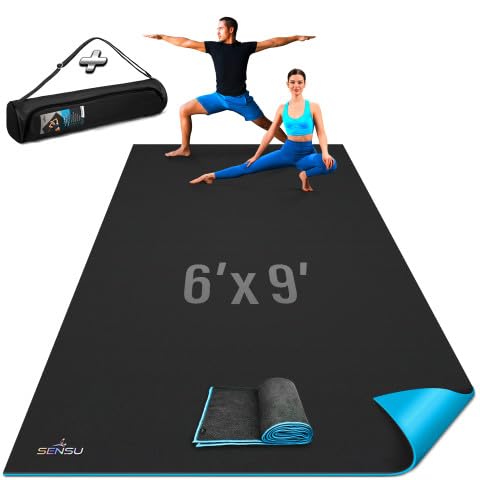
Gaam Grippy Yoga Mat
Gaam mat is 5.5mm thick, weighs only 3.5 lbs, and features a textured surface for slip resistance. It folds easily into a carry bag. Owners say it stays put on any floor.
What owners say: Owners highlight its portability and grip. Many use it for yin classes at studios. Some mention it's less padded than thicker mats, but it's comfortable enough for most.
- Lightweight and easy to carry
- Good grip
- Eco-friendly cork option
- Less cushion for very bony areas
- May slide on tile floors

Lululemon The Mat 5mm
Lululemon's 5mm mat has a sticky natural rubber base and a microfiber top for moisture management. It offers great grip and cushion for long holds. Owners say it breaks in quickly.
What owners say: Reviews often mention its immediate grip and comfort. Some find it slippery when wet, but a quick wipe resolves it. Many appreciate the reversible design.
- Great grip and cushion balance
- Easy to clean
- Reversible two-tone look
- Can be slippery when damp
- Heavier than other 5mm mats

Hugger Mugger Para Rubber Mat
This 5mm mat is made from biodegradable tree rubber with a jute texture. It provides natural grip and moderate cushion. Owners appreciate its low environmental impact.
What owners say: Owners like the natural feel and grip. Some note it has a strong rubber smell initially and may not last as long as synthetic mats. Many praise the company's green commitment.
- Biodegradable and sustainable
- Good grip for dry practice
- Supportive for yin
- Strong initial odor
- Less durable than PVC mats
How to choose
- Cushion Thickness. For yin, aim for at least 4mm to 6mm thickness to protect knees and tailbone during long holds. Too thick (over 8mm) can feel unstable, while too thin causes discomfort.
- Grip and Texture. A non-slip surface is crucial for static poses. Natural rubber or polyurethane mats offer excellent grip. Avoid slick PVC; a textured top layer helps prevent sliding.
- Material and Durability. PVC mats like Manduka Pro are durable and dense but not eco-friendly. Natural rubber mats are grippy but wear faster. Choose based on your priority for longevity or sustainability.
- Size and Portability. Standard 68×24 inches works for most, but taller practitioners may need 72×26 inches. If you travel, consider a lightweight foldable mat (under 4 lbs).
- Care and Maintenance. Closed-cell mats are easy to clean with a wipe. Open-cell (natural rubber) require more care: air dry after use and avoid direct sunlight to prevent degradation.
Frequently asked questions
What thickness is best for yin yoga mats?
For yin, a thickness of 5mm to 6mm is ideal. This provides enough cushion for bones and joints without compromising stability. Thicker mats (8mm+) can feel too soft for some poses.
Are natural rubber mats better for yin?
Natural rubber mats offer excellent grip and are eco-friendly, making them popular for yin. However, they are less durable than PVC and can have a strong initial odor. They are a great choice if sustainability is a priority.
Can I use a travel mat for yin yoga?
Yes, but choose one that is at least 3.5mm thick for adequate cushion. Lightweight options like the Gaam mat (5.5mm) work well for yin on the go, though they may not be as plush as thicker mats.
How long do yin yoga mats typically last?
PVC mats can last 10 years or more with proper care. Natural rubber mats typically last 2-5 years depending on usage. Regular cleaning and avoiding sun exposure extend lifespan.
Do I need a special mat for hot yin yoga?
A mat with strong grip is key. Look for materials like polyurethane (Liforme) or natural rubber (Jade) that become stickier when slightly damp. Avoid standard PVC that gets slippery.
What is the best budget yoga mat for yin?
The CRZ Yoga Extra Thick Mat (10mm) offers exceptional cushion at a low price point. While less durable, it provides comfort for yin practice without breaking the bank.
The verdict
The Manduka Pro is our top pick for its dense cushion, lifetime warranty, and durability, making it ideal for dedicated yin practitioners. For those prioritizing grip, the Jade Harmony provides excellent traction. If you travel frequently, the Gaam mat offers portability without sacrificing comfort.