
The Manduka Recycled Foam Block is our overall winner for its eco-friendly construction and firm yet comfortable support. For a budget-friendly alternative that still delivers on stability, consider the Gaiam Essentials Cork Block.
Check price on AmazonYoga blocks are a simple but essential tool for deepening poses, improving alignment, and making advanced postures accessible. With so many options on the market, choosing the best kind can feel overwhelming. We compared top sellers across materials, density, size, and durability, diving into owner reviews and expert recommendations to cut through the noise.
Our ranking focuses on what matters most: stability to prevent slipping, comfort for holds, and longevity to withstand regular use. Whether you prefer cork’s eco-friendly grip or foam’s lightweight feel, we’ve got a pick for every practice style.
How we rank
We analyzed hundreds of owner reviews and product specs to rank blocks based on material, density, grip, durability, and overall value. See our method.
Quick picks
| Best for | Product | Who it suits |
|---|---|---|
| Best Overall | Recycled Foam Block | Eco-conscious practitioners who want a firm, stable block for alignment |
| Best Value | Essentials Cork Block | Budget-minded yogis who prefer natural materials with good grip |
| Best for Hot Yoga | The Mat Pro Yoga Block | Hot yoga practitioners needing maximum grip in sweaty conditions |
| Best Premium | Cork Yoga Block (Set of 2) | Serious practitioners who want a premium natural block with superior durability |
| Best Lightweight | Standard Foam Yoga Block | Travelers or beginners who want an ultra-light, easy-to-carry block |
| Best for Beginners | Expanding Yoga Block | Beginners who need adjustable height for gradual flexibility progression |
| Best Cork | Integrity Yoga Block | Cork enthusiasts who want a dense, long-lasting block with sharp edges |
The picks, compared
Recycled Foam Block
Made from 100% recycled foam, this block offers a perfect balance of density and cushion. It provides excellent support without being too hard, and the non-slip surface keeps it in place during sweaty sessions. Reviewers note it holds up well over time, resisting dents and wear. Ideal for both restorative and active flows.
What owners say: Owners consistently praise the block's durability and eco-friendly materials. Many report that it maintains its shape after years of use, unlike cheaper foam blocks that compress.
- Eco-friendly recycled material
- Firm but comfortable density
- Non-slip texture
- Slightly heavier than standard foam
- Limited color options
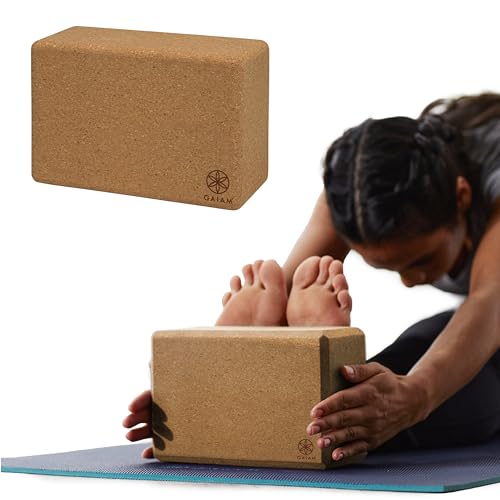
Essentials Cork Block
This cork block provides a firm, stable surface that won't slip, even when damp. It's naturally antimicrobial and offers a solid, weighty feel that many practitioners prefer for balance. Reviewers appreciate the rounded edges for comfort. A great entry-level block that outperforms its price point.
What owners say: Owners highlight the excellent grip, especially during hot yoga. Several note that it shows wear over time but remains functional for years.
- Natural cork with great grip
- Antimicrobial
- Sturdy and supportive
- Heavier than foam
- Can shed particles initially
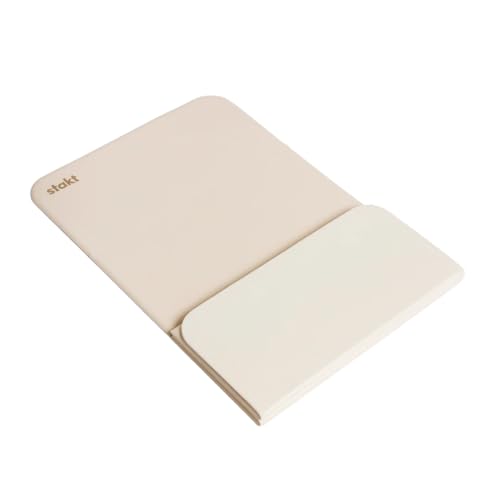
The Mat Pro Yoga Block
Made from dense, high-quality foam with a textured surface, this block offers exceptional non-slip performance. It's firm enough for support but has a slight cushion for comfort. The beveled edges make it easy to grip. Ideal for those who sweat a lot and need reliable stability.
What owners say: Owners rave about its grip even when soaked with sweat. Many say it outperforms other foam blocks in hot classes and doesn't slip.
- Excellent wet grip
- Dense and supportive
- Comfortable beveled edges
- Higher price point
- Limited color selection
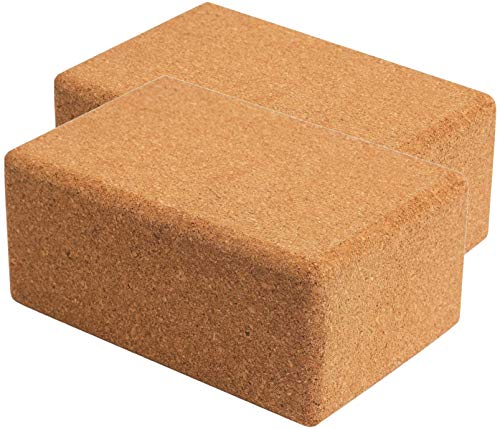
Cork Yoga Block (Set of 2)
These hand-finished cork blocks are exceptionally durable and offer a firm, stable support. The natural cork provides a comfortable grip that improves with use. They are heavier than foam, which some find grounding. Reviewers praise their longevity and eco-friendly production.
What owners say: Owners report these blocks last for years without significant wear. Many appreciate the consistent density and the fact that they don't compress over time.
- Superior durability
- Natural, renewable material
- Excellent grip when dry
- Heavy and dense
- Price is higher than most

Standard Foam Yoga Block
This classic foam block is light, portable, and affordable, making it a great starter option. It provides enough density for basic support but is softer than cork or premium foam. The beveled edges offer a comfortable grip. Reviewers note it works well for gentle stretching and recovery.
What owners say: Owners love its lightweight design for carrying to class. Some report it compresses over time with heavy use, but it remains functional.
- Very lightweight
- Low cost
- Soft and comfortable
- Less durable than cork
- May compress under high weight

Expanding Yoga Block
This innovative block features three adjustable height levels, allowing users to start with more support and gradually lower as flexibility improves. It’s made of durable foam with a non-slip surface. Reviewers find it helpful for poses like triangle and seated forward fold. A versatile tool for learning proper alignment.
What owners say: Owners appreciate the adjustability for different poses and skill levels. Many say it helped them progress in their practice safely.
- Adjustable heights
- Non-slip surface
- Supports progressive flexibility
- Bulky for travel
- Slightly less stable at highest setting
Integrity Yoga Block
This solid cork block from Manduka is precision-cut from 100% natural cork with squared edges for stability. It offers a firm, unwavering base for standing poses and balance. The natural texture prevents slipping. Reviewers note it develops a patina over time without losing function. A premium choice for dedicated practitioners.
What owners say: Owners highlight its density and stability, especially for arm balances. Many say it's the most durable cork block they've used.
- Sharp, stable edges
- Naturally grippy
- Extremely durable
- Heavy
- Can be hard on hands for long holds
How to choose
- Material: Cork vs Foam. Cork blocks are firmer, more durable, and provide better grip when dry, but are heavier. Foam blocks are lightweight, softer, and better for travel or restorative poses, but may compress over time.
- Density and Firmness. Firmer blocks offer more stability for weight-bearing poses, while softer ones are more comfortable for seated support. Your choice depends on your practice style and body type.
- Size and Dimensions. Standard blocks are 9x6x4 inches, but also come in 3-inch heights. Taller blocks provide more lift for beginners or those with limited flexibility.
- Grip and Texture. Look for non-slip surfaces, especially if you practice hot yoga. Cork naturally grips when dry, while high-density foam can have textured finishes.
- Weight and Portability. Foam blocks are lighter and easier to carry to class. Cork blocks are heavier but more stable. If you travel often, a lightweight foam block is ideal.
Frequently asked questions
What is the best material for yoga blocks?
The best material depends on your needs. Cork offers firm support and natural grip, ideal for stability. Foam is lightweight and softer, good for travel or gentle poses. For hot yoga, choose a high-density foam with a non-slip surface.
How many yoga blocks should I use?
Most practitioners use one or two blocks. Beginners may benefit from two for extra support in poses like triangle or seated forward fold. As you advance, one block may suffice for alignment adjustments.
Are cork yoga blocks better than foam?
Cork blocks are more durable and provide a firmer, non-slip grip when dry, but are heavier and less comfortable for long holds. Foam blocks are lighter and softer, making them better for restorative practice or travel.
Can yoga blocks help with flexibility?
Yes, yoga blocks allow you to modify poses to match your current flexibility. They bring the floor closer, making stretches accessible and helping you gradually increase range of motion safely.
How do I clean yoga blocks?
Foam blocks can be wiped with a mild soap and water solution and air dried. Cork blocks should be spot cleaned with a damp cloth and dried away from direct sunlight to prevent cracking.
What size yoga block should a beginner get?
Beginners often benefit from a standard 9x6x4 inch block, which provides enough height for most modifications. If you have very tight hamstrings, a taller block (5 or 6 inches) can be helpful initially.
The verdict
The Manduka Recycled Foam Block wins our top pick for its eco-friendly build, firm support, and durability. For those on a budget, the Gaiam Essentials Cork Block offers great natural grip. If you need lightweight portability, the Gaiam Standard Foam Block is a reliable choice.