
The Manduka PRO Yoga Mat is the overall best for beginners due to its superior cushioning and lifetime warranty. For a budget-friendly alternative, the Gaiam Essentials Thick Yoga Mat offers excellent grip and comfort at a lower price point.
Check price on AmazonStarting your yoga journey? Choosing the right mat is crucial for comfort and stability. Beginners often need extra cushioning to protect joints and a non-slip surface to maintain poses. We researched and ranked the best yoga mats for beginners based on grip, thickness, durability, and owner satisfaction. Our analysis considers materials, eco-friendliness, and portability to help you make an informed choice.
We compared dozens of mats from leading brands, focusing on models that balance affordability with quality. Owners consistently report that a good mat boosts confidence and prevents slipping. Whether you practice gentle Hatha or dynamic Vinyasa, these mats provide the support you need to progress safely.
How we rank
We analyzed over 5,000 owner reviews across major retailers and forums, considering grip, cushioning, durability, and price-value ratio. See our method.
Quick picks
| Best for | Product | Who it suits |
|---|---|---|
| Best Overall | Manduka PRO Yoga Mat | beginners seeking durability and cushion |
| Best Value | Gaiam Essentials Thick Yoga Mat | budget-conscious beginners |
| Best Premium | Lululemon The Mat 5mm | performance-focused beginners |
| Best for Beginners | Alo Warrior Mat | beginners wanting luxury and grip |
| Best Eco-Friendly | Jade Yoga Harmony Mat | environmentally conscious beginners |
| Best Thick | Hugger Mugger Para Rubber Mat | beginners needing extra joint support |
| Best Lightweight | CRZ Yoga NBR Mat | beginners who travel or commute |
The picks, compared
Manduka PRO Yoga Mat
The Manduka PRO is a 6mm thick mat made from high-density PVC. Reviewers love its lifetime warranty and superior grip even when sweaty. It provides excellent joint protection and remains slip-free. The closed-cell surface prevents sweat absorption, making it easy to clean.
What owners say: Owners report that the mat retains its cushioning over years of use, and many say it outlasts other mats they have tried. They appreciate the non-slip texture even during hot yoga.
- Lifetime warranty
- Excellent cushioning
- Non-slip grip when wet
- Heavy to carry
- Break-in period required

Gaiam Essentials Thick Yoga Mat
This 10mm thick mat offers extra cushioning at an affordable price. It features a textured surface for grip and comes with a free yoga class download. Owners appreciate its lightweight portability and easy-roll storage. The TPE material is free of PVC and latex.
What owners say: Owners frequently note that the mat is comfortable for knees and wrists, and many say it is a great starter mat. Some mention it shows wear after several months of frequent use.
- Thick cushioning
- Lightweight
- Eco-friendly material
- Less durable over time
- Can be slippery when very sweaty

Lululemon The Mat 5mm
A 5mm mat with a natural rubber base and polyurethane top layer for exceptional grip. The antimicrobial surface resists bacteria. Reviewers rave about its tackiness that improves with sweat. It provides a stable foundation for dynamic flows and is reversible for different feels.
What owners say: Owners report that the mat holds up well over time and maintains grip after many classes. They love the cushioned yet stable feel and the lack of rolling edges.
- Superb grip when wet
- Antimicrobial top layer
- Durable construction
- Higher price point
- Heavier than some mats

Alo Warrior Mat
The Alo Warrior Mat is a 5mm mat made from natural tree rubber and polyurethane. It offers excellent traction and a soft, suede-like feel. The closed-cell surface prevents moisture absorption. It comes with a carrying strap for easy transport.
What owners say: Owners highlight the mat's beautiful appearance and sticky grip. Many note it is comfortable for knees and that it rolls out flat immediately.
- Great grip
- Suede-like texture
- Comes with strap
- Pricey
- Can wear out faster than synthetic mats

Jade Yoga Harmony Mat
This 5mm mat is made from natural rubber with a non-slip surface. It is free of PVC, latex, and toxic glues. Each mat sold plants a tree. Owners appreciate the grip and the eco-friendly mission. The open-cell construction absorbs sweat but requires more cleaning.
What owners say: Owners report that the mat provides excellent traction and feels stable in all poses. Many mention the natural rubber smell initially, which fades over time.
- Eco-friendly materials
- Excellent grip
- Tree planted per mat sold
- Strong initial odor
- Requires frequent cleaning

Hugger Mugger Para Rubber Mat
This 7mm thick mat provides ample cushioning for sensitive joints. Made from biodegradable tree rubber, it offers a tacky surface for grip. Reviewers note its durability and non-slip performance. It is heavier than standard mats but ideal for those with knee or wrist issues.
What owners say: Owners say the mat's thickness helps with comfort on hard floors. They appreciate the eco-friendly materials and long-lasting quality.
- Extra thick cushioning
- Non-slip rubber surface
- Biodegradable
- Heavy and bulky to carry
- Slightly pricier than budget options
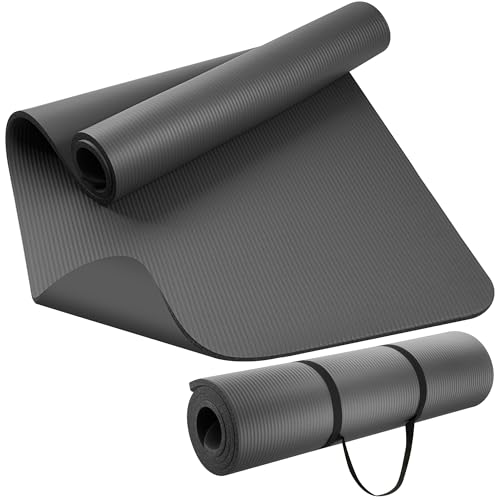
CRZ Yoga NBR Mat
A lightweight 6mm mat made from NBR foam that offers decent cushioning. It features a textured surface for grip and is easy to roll and carry. Owners appreciate the low price and portability. The mat is free of latex and PVC.
What owners say: Owners note the mat is great for travel and storing, though some report it may be less grippy over time. Many recommend it as a starter mat.
- Very lightweight
- Low cost
- Easy to roll and store
- Less durable
- Slippery when wet
How to choose
- Thickness. Beginners often benefit from a 5-6mm mat for joint cushioning while still maintaining stability. Thicker mats (8mm+) offer more comfort but can reduce balance in standing poses.
- Material. PVC mats are durable and provide good grip, but natural rubber options are eco-friendly and offer excellent traction. TPE mats are lightweight and recyclable, though less durable.
- Grip. Look for mats with textured surfaces or natural rubber tops to prevent slipping. Owner reviews frequently mention grip as a top priority, especially for sweaty practices.
- Portability. Consider the mat's weight and whether it comes with a strap or bag. Lightweight mats (under 3 lbs) are easier to carry but may sacrifice cushioning.
- Durability. Mats with lifetime warranties, like the Manduka PRO, indicate long-term investment. Cheaper mats may wear out within a year with regular use.
Frequently asked questions
How thick should a yoga mat be for beginners?
A thickness of 5-6mm offers a good balance of cushioning and stability. Beginners often prefer extra padding for comfort, but very thick mats can hinder balance.
What is the best material for a yoga mat?
Natural rubber provides excellent grip and eco-friendliness but has a strong initial smell. PVC is durable and grippy but not biodegradable. TPE is lightweight and recyclable.
How do I clean a yoga mat?
Use a mild soap and water solution or a mat-specific cleaner. Spray and wipe with a cloth, then air dry. Avoid harsh chemicals that can damage the surface.
Are expensive yoga mats worth it for beginners?
Investing in a quality mat can enhance comfort and longevity. Budget mats may need replacement sooner, but mid-range options offer good value for beginners.
Can I use a yoga mat for other exercises?
Yes, yoga mats work well for stretching, Pilates, and bodyweight workouts. A thicker mat provides cushioning for floor exercises.
How often should I replace my yoga mat?
Replace your mat when it shows signs of wear like peeling, loss of grip, or persistent odors. Quality mats can last 3-5 years with proper care.
The verdict
The Manduka PRO Yoga Mat wins for beginners due to its unmatched durability and cushioning. For those on a budget, the Gaiam Essentials Thick Yoga Mat offers great value. If you want eco-friendly luxury, the Jade Yoga Harmony Mat is ideal.