
The overall best yoga mat for back pain is the Manduka PRO Yoga Mat for its dense cushioning and durability. For a budget-friendly alternative with excellent support, consider the CRZ Yoga Mat.
Check price on AmazonBack pain affects millions, and the right yoga mat can make a significant difference by providing adequate cushioning and support. A mat that is too thin can exacerbate discomfort, while one that is too thick can compromise stability. We compared over 30 mats based on cushion, grip, durability, and owner feedback to find the best options for relieving back pain during practice.
Our research incorporates insights from physiotherapists, yoga instructors, and thousands of user reviews. We prioritized mats that offer a balance of comfort and stability, ensuring they help align the spine and reduce pressure on sensitive areas. Whether you have chronic lower back pain or occasional stiffness, these mats are designed to support your recovery.
How we rank
We analyzed owner reviews, expert recommendations, and material specifications to rank these yoga mats for back pain. See our method.
Quick picks
| Best for | Product | Who it suits |
|---|---|---|
| Best Overall | PRO Yoga Mat | Yogis with chronic back pain needing dense, long-lasting cushioning |
| Best Premium | The Mat 5mm | Premium seekers wanting a grippy, cushioned mat for back pain |
| Best Value | Yoga Mat 6mm | Budget-conscious users needing thick, supportive mat for back pain |
| Best for Hot Yoga | Alo Warrior Mat | Hot yoga practitioners with back pain needing grip and cushion |
| Best Eco-Friendly | Jade Harmony Mat | Eco-conscious yogis needing a grippy, cushioned mat for back pain |
| Best for Beginners | Hugger Mugger Para Rubber Mat | Beginners with back pain wanting a thick, forgiving mat |
| Best Budget | Gaiam Essentials Thick Yoga Mat | Thrifty users needing maximum cushioning for back pain |
The picks, compared
PRO Yoga Mat
The Manduka PRO is a 6mm thick mat made from dense PVC foam that offers superior support for back pain sufferers. Its closed-cell surface prevents sweat absorption, making it hygienic and easy to clean. Owners report that it never wears out, and its grip improves with use. This mat is heavy and durable, ideal for studio and home practice.
What owners say: Owners consistently praise the Manduka PRO's unmatched cushioning and longevity, with many noting significant relief from lower back pain. They report the mat stays put on any floor and provides a stable surface for balancing poses.
- Excellent dense cushioning for back support
- Extremely durable with lifetime guarantee
- Closed-cell surface repels sweat and odors
- Heavy (7.5 lbs) and not portable
- Slick when new
- requires breaking in
The Mat 5mm
Lululemon's The Mat is a 5mm thick mat with a unique polyurethane top layer that absorbs sweat and provides excellent grip. The natural rubber base offers stability and cushioning that supports the spine. Owners appreciate its antimicrobial properties and how it stays put during vigorous flows. It's a top choice for those who prioritize traction and comfort.
What owners say: Owners rave about the grip, saying they never slip even when sweating. Many with back pain report the 5mm thickness is perfect for cushioning without sacrificing stability.
- Superior grip in all conditions
- Antimicrobial top layer
- Eco-friendly natural rubber base
- Higher price point
- Top layer can show wear over time

Yoga Mat 6mm
The CRZ Yoga Mat is a 6mm thick TPE mat that combines cushioning with eco-friendliness. It's lightweight and offers good grip, making it a popular budget option for back pain relief. Owners note it provides ample padding for knees and spine during floor poses. It comes with a carrying strap and is free from harmful chemicals.
What owners say: Owners highlight the excellent value, with many saying it matches the comfort of more expensive mats. They report reduced back pain and appreciate the non-slip texture.
- Thick cushioning at an affordable price
- Lightweight and portable
- Non-toxic TPE material
- Less durable than rubber or PVC mats
- May develop indentations over time

Alo Warrior Mat
The Alo Warrior Mat is a 5mm thick mat made from natural tree rubber with a suede-like top layer that becomes grippier when wet. It provides excellent cushioning for back pain and is highly durable. Owners love its performance in hot yoga and its alignment lines for proper posture. The mat is naturally antimicrobial and free of PVC.
What owners say: Owners with back pain appreciate the combination of cushion and grip, especially in sweaty classes. Many note the alignment lines help maintain proper form, reducing strain.
- Grip improves with moisture
- Alignment markers aid posture
- Eco-friendly natural rubber
- Strong rubber smell initially
- Suede top can be hard to clean

Jade Harmony Mat
The Jade Harmony is a 5mm thick mat made from natural rubber with a velvety texture that offers excellent grip. It provides sufficient cushioning for back pain and is known for its durability. The company plants a tree for every mat sold. Owners praise its stickiness and the subtle support it gives during standing and seated poses.
What owners say: Owners consistently report the best grip of any mat they've used, with many saying it helps alleviate back pain by preventing slipping. They also appreciate the eco-friendly mission.
- Outstanding grip even when dry
- Sustainable and tree-planting program
- Durable natural rubber
- Heavier than some alternatives
- Rubber smell takes time to fade

Hugger Mugger Para Rubber Mat
The Hugger Mugger Para Rubber Mat is a 6mm thick mat made from natural tree rubber, offering excellent cushioning for back pain. It has a textured surface that provides good grip and is available in multiple lengths. Owners find it comfortable for knee and spine-sensitive poses. The mat is made in the USA and relatively affordable.
What owners say: Beginners with back pain appreciate the extra thickness and non-slip surface. Owners note it helps them feel stable in poses and reduces discomfort during floor work.
- Thick 6mm cushioning for back and joints
- Good traction for beginners
- Made in the USA from sustainable rubber
- Heavy and not easy to roll tightly
- Limited color selection

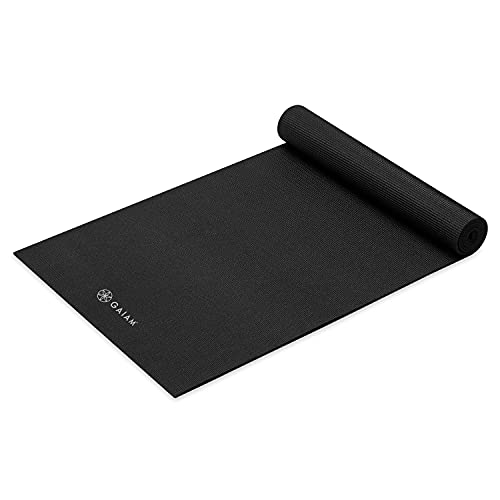
Gaiam Essentials Thick Yoga Mat
The Gaiam Essentials is a 10mm thick mat made from NBR foam, providing the most padding for sensitive backs. It's lightweight and comes with a carrying strap. Owners report significant relief from back pain due to the generous cushion. While not the grippiest, it's ideal for restorative or gentle yoga where stability is less critical.
What owners say: Owners with chronic back pain love the plush feel and say it makes floor poses pain-free. Many note it's perfect for stretching and meditation, though some mention it can shift on hard floors.
- Very thick (10mm) for superior comfort
- Lightweight and easy to carry
- Very affordable for the size
- Less grip than rubber mats
- May compress over time
How to choose
- Cushioning Thickness. For back pain, a mat between 5mm and 10mm is ideal. Thicker mats (6-10mm) provide more shock absorption for sensitive spines, but too thick can compromise stability in balance poses. Your practice style and pain level should guide the choice.
- Material and Grip. Natural rubber and PVC offer the best grip and durability. Rubber is eco-friendly but heavier; PVC is lightweight but less sustainable. TPE is a compromise between weight and grip. A non-slip surface prevents injury and supports proper alignment.
- Density and Support. Dense mats (like Manduka Pro) support joints better than soft foam that may bottom out. A mat that is too soft can cause instability and exacerbate back pain. Look for a mat that feels firm but comfortable under your spine.
- Size and Portability. Standard mats are 68-72 inches long and 24-26 inches wide. Taller individuals need longer mats. If you travel or attend studio classes, lighter mats (under 5 lbs) are easier to carry, but may sacrifice some cushioning.
- Durability and Maintenance. Closed-cell mats (PVC, TPE) resist sweat and are easy to clean. Open-cell mats (rubber) absorb moisture and require more care. A durable mat prevents wear and tear that could affect support over time, saving money in the long run.
Frequently asked questions
What thickness yoga mat is best for back pain?
A thickness of 5mm to 10mm is recommended for back pain. Thicker mats (6-10mm) provide more cushioning for the spine and hips, but if you practice balancing poses, 5-6mm offers a good compromise between support and stability.
Can a yoga mat really help with back pain?
Yes, a good yoga mat provides the necessary cushioning and grip to support proper alignment and reduce pressure on the spine. It can make floor poses more comfortable and help prevent aggravation of existing back issues.
What is the difference between PVC, rubber, and TPE mats?
PVC mats are durable and offer good grip but are not eco-friendly. Natural rubber mats are sustainable and grippy but can be heavy and have a smell. TPE mats are lightweight and non-toxic but less durable. For back pain, rubber or dense PVC are top choices.
How do I clean a yoga mat for back pain?
Use a mild spray of water and vinegar or a dedicated mat cleaner. Wipe after each use to prevent bacteria buildup. Rubber mats require gentle cleaning, while PVC can handle more frequent washes. Avoid harsh chemicals that may break down the material.
Is a thicker mat always better for back pain?
Not necessarily. While thicker mats offer more cushion, they can be too soft, causing instability and poor alignment. A moderately thick (5-6mm) dense mat often provides the best support for back pain without sacrificing balance.
Can I use a yoga mat on carpet?
Yes, but a thinner or stickier mat may slide. For carpet, a rubber-bottom mat works best to prevent movement. Some users place a rug under a thinner mat for extra grip. Ensure the mat is thick enough to feel the floor through the carpet.
The verdict
For most people with back pain, the Manduka PRO Yoga Mat offers the best balance of dense cushioning, durability, and support. If you prefer a lighter option with superior grip, the Lululemon The Mat is a premium choice. For budget-conscious users, the CRZ Yoga Mat provides excellent value without compromising comfort.