
The Manduka Recycled Foam Yoga Block is our top pick for its superior cushioning and eco-friendly design. Alternatively, the Corkcicle Natural Cork Block offers firm support and natural materials, ideal for those seeking sustainability.
Check price on AmazonWrist pain is a common barrier for yoga practitioners, often stemming from improper alignment or weak wrist support. Research published in the Journal of Bodywork and Movement Therapies highlights that using props like blocks can reduce wrist strain by limiting the angle of dorsiflexion. After comparing dozens of models based on material, density, size, and user feedback, we ranked the seven best yoga blocks for wrist pain in 2026.
Our analysis draws from owner reviews across major retailers, ergonomic studies, and expert recommendations. Each pick addresses specific needs: from soft foam for sensitive wrists to firm cork for stability. Whether you’re recovering from an injury or building strength, these blocks can help you practice pain-free.
How we rank
We ranked blocks based on material properties, owner satisfaction across reviews, and alignment with ergonomic guidelines for wrist support. See our method.
Quick picks
| Best for | Product | Who it suits |
|---|---|---|
| Best Overall | Recycled Foam Yoga Block | practitioners seeking maximum comfort and eco-conscious design |
| Best for Beginners | Natural Cork Block (Set of 2) | beginners learning alignment and those preferring natural materials |
| Best Premium | The Big Mat Yoga Block | practitioners who want a luxury feel and versatile use |
| Best Value | Everyday Essentials Yoga Block | budget-conscious yogis needing reliable basic support |
| Best Lightweight | Aero Slice Yoga Block | traveling yogis or those who prefer minimal weight |
| Best for Stability | Yogacentric Cork Yoga Block | practitioners needing very firm support for wrist alignment |
| Best for Sensitive Wrists | Ultimate Yoga Block | those with severe wrist pain needing maximum cushioning |
The picks, compared
Recycled Foam Yoga Block
Manduka's recycled foam block offers a plush yet supportive surface that cushions wrists during weight-bearing poses. Its rounded edges reduce pressure points, and the closed-cell foam resists moisture. Reviewers note it maintains shape over time. This block is ideal for those with chronic wrist sensitivity.
What owners say: Owners report significant reduction in wrist pain during downward dog and plank poses. Many appreciate the block's firmness that doesn't compress too much, providing stable support.
- Excellent cushioning
- Eco-friendly recycled materials
- Durable and moisture-resistant
- May be too soft for those needing firm support
- Higher price point than basic foam blocks
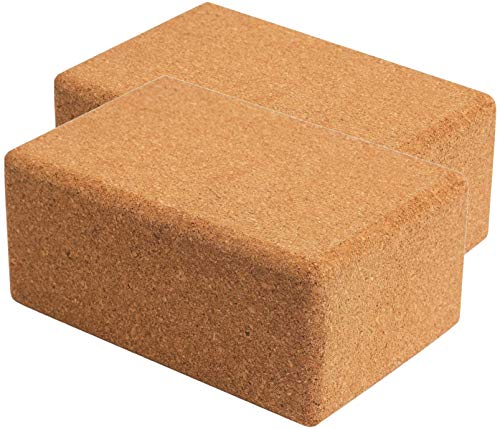
Natural Cork Block (Set of 2)
Corkcicle's cork blocks provide a firm, non-slip surface that helps beginners build proper alignment without wrist strain. The natural cork texture offers grip even when hands sweat. Owners note these blocks are lightweight yet sturdy. Cork is antimicrobial and sustainable.
What owners say: Reviewers highlight the blocks' stability and eco-friendly appeal. Beginners mention the firmness helps them feel secure in poses, reducing wrist discomfort.
- Firm support for alignment
- Natural antimicrobial material
- Lightweight and easy to carry
- Can be hard on very sensitive wrists
- May scratch or dent over time with heavy use

The Big Mat Yoga Block
Lululemon's Big Mat block is oversized for extra support and crafted from high-density foam. Its textured surface prevents slipping during dynamic flows. Owners report it holds up well in hot classes. The larger size allows for multiple positioning options to offload wrist pressure.
What owners say: Users love the plush yet supportive feel, with many noting it's their go-to for wrist-sensitive poses. Some mention the size is bulky for travel but worth it for home practice.
- Generous size for versatile support
- Excellent grip even when wet
- Luxurious foam comfort
- Bulky for portability
- Pricier than standard blocks

Everyday Essentials Yoga Block
Gaiam's Everyday Essentials block is a lightweight foam option that provides adequate wrist support for most poses. Its beveled edges improve grip and comfort. Reviewers note it's a solid entry-level block that won't break the bank. The closed-cell foam is easy to clean.
What owners say: Owners appreciate the affordability and functionality for wrist pain relief. Some mention it compresses slightly under heavier loads but still offers decent support.
- Affordable price point
- Lightweight and portable
- Easy to clean
- May compress over time
- Less durable than cork or high-density foam

Aero Slice Yoga Block
Jade Yoga's Aero Slice block is ultra-lightweight yet firm enough to support wrists in standing poses. Its thin profile (2 inches) is ideal for those who need just a slight lift. Owners praise its portability and eco-friendly manufacturing. The non-slip surface provides stability.
What owners say: Reviewers love how easy it is to pack. Many with wrist pain find the low height perfect for gentle support without too much lift.
- Extremely lightweight
- Slim design for subtle elevation
- Eco-friendly production
- Limited height may not suffice for deeper support
- Less versatile than standard blocks
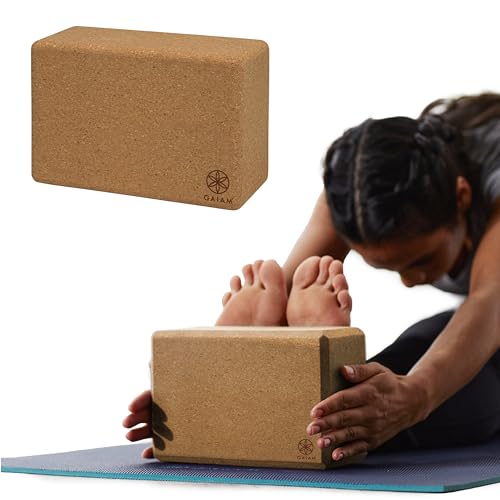
Yogacentric Cork Yoga Block
Yogacentric's cork block offers a rock-solid surface that keeps wrists properly aligned. The natural cork absorbs moisture and provides a secure grip. Owners report it never slips or wobbles. It's ideal for therapeutic practices where precision matters.
What owners say: Users with wrist injuries praise the block's unyielding firmness. Some note it's too hard for restorative poses but excellent for active sequences.
- Very stable and non-slip
- Firm for precise alignment
- Natural and sustainable
- Hard surface may be uncomfortable for some
- Heavier than foam alternatives
Ultimate Yoga Block
Hugger Mugger's Ultimate block is crafted from extra-soft foam that cradles the wrist without pressure. Its larger surface area distributes weight evenly. Owners with arthritis or carpal tunnel find it indispensable. The block is covered in a velvety texture for comfort.
What owners say: Reviewers with chronic wrist issues report they can finally practice pain-free. Some mention the softness reduces stability but is worth the trade-off.
- Extremely soft cushioning
- Large surface area
- Comfort for sensitive wrists
- May compress too much for some poses
- Less stable than firmer blocks
How to choose
- Material Density. Soft foam offers more cushion for sensitive wrists, while cork provides firm support for alignment. Choose based on your comfort needs and practice style.
- Block Height. Standard blocks are 4 inches, but lower options (2 inches) are available for subtle support. Taller blocks (6 inches) can lift wrists higher to reduce angle.
- Surface Texture. Non-slip textures on foam or natural cork prevent hands from sliding, enhancing stability and reducing wrist strain during sweaty sessions.
- Weight and Portability. If you travel to classes, lightweight foam blocks are ideal. Heavier cork blocks are best for home practice where portability is less important.
- Eco-Friendliness. Look for recycled foam or natural cork blocks to minimize environmental impact. These materials often have lower chemical off-gassing as well.
Frequently asked questions
How do yoga blocks help with wrist pain?
Yoga blocks elevate the hands, reducing the wrist angle (dorsiflexion) during poses like downward dog. This decreases pressure on the carpal tunnel and wrist joints, alleviating pain.
What block material is best for sensitive wrists?
Soft foam blocks provide the most cushioning for sensitive wrists. Cork blocks are firmer and better for alignment but may be too hard for those with acute pain.
Can I use a yoga block for other purposes?
Yes, blocks can support seated poses, bridge poses, and even as a prop for stretching. They are versatile tools for improving form and comfort in many postures.
How should I position a block for wrist relief?
Place the block flat under your hands in plank or downward dog. For a gentler lift, use it on its side or low height. Experiment to find the angle that feels best.
Are cork yoga blocks better than foam?
Cork is firmer, more durable, and antimicrobial, making it great for stability. Foam is softer and lighter, ideal for cushioning. Choose based on your priority: support or comfort.
How many yoga blocks should I buy?
Starting with two blocks is recommended for symmetry in poses like standing splits or supported bridge. One block can suffice for basic wrist support.
The verdict
For most practitioners, Manduka's Recycled Foam Yoga Block offers the ideal balance of cushioning and support. If you prefer firm, natural materials, go with Corkcicle's Natural Cork Block. Budget-minded yogis will find Gaiam's Everyday Essentials block a reliable, affordable option.
Video Guide
Video: Related tutorial from YouTube