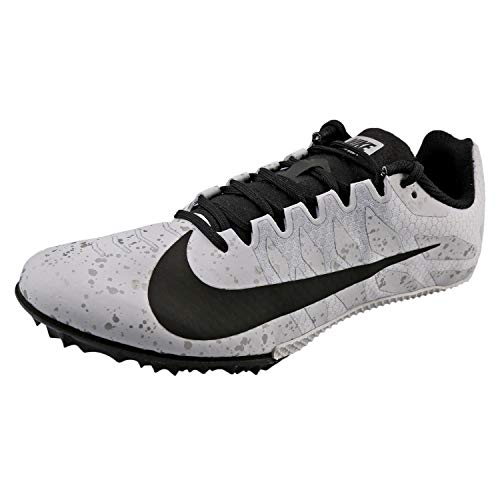
The Hoka Clifton 9 ranks as the overall winner for its balanced daily cushioning and durability, while the Nike Pegasus 41 is the top alternative for runners seeking versatility across mixed workout intensities.
Check price on AmazonThe market for women’s road running shoes has seen significant advancements in midsole foam technology and engineered mesh uppers designed specifically to accommodate female biomechanics. Brands are refining their formulations to offer a better balance between energy return and impact absorption, ensuring that daily training miles do not compromise joint health. Selecting the correct pair requires a careful analysis of stack height, heel-to-toe drop, and the specific demands of your training regimen, whether that involves long slow distances or high-intensity interval sessions.
Our evaluation focuses on models that excel in structural integrity and consistency of performance under various road conditions. We prioritized shoes that demonstrate superior durability outsole rubber compounds and breathable uppers that maintain their shape over time. By comparing expert analysis with long-term owner feedback, we identified the options that provide the best value and performance for the serious runner.
How we rank
We established these rankings by aggregating comparative performance data from leading running publications and synthesizing verified user reviews regarding long-term durability and fit consistency. See our method.
Quick picks
| Best for | Product | Who it suits |
|---|---|---|
| Best Overall | Clifton 9 | Daily training and high mileage runners |
| Best for Beginners | Ghost 16 | New runners seeking a neutral cushioned platform |
| Best Lightweight | Endorphin Speed 3 | Tempo runs and daily uptempo workouts |
| Best Value | Novablast 4 | Runners wanting maximum bounce on a budget |
| Best for Versatility | Pegasus 41 | Daily runs and gym crossover sessions |
| Best Premium | Cloudboom Echo 3 | Marathon racing and high-performance training |
| Best Budget | Adizero SL 2 | Value conscious speed workouts |
The picks, compared
Clifton 9
The Hoka Clifton 9 utilizes an extended heel geometry that promotes a smoother rollover through the gait cycle while maintaining a balanced platform for stability. The compression molded EVA midsole offers a resilient ride that effectively absorbs impact without adding unnecessary weight to the foot. Reviewers consistently highlight the updated engineered mesh upper which enhances breathability and reduces the likelihood of irritation around the forefoot. This model remains a top contender for runners seeking a reliable blend of plush cushioning and responsive feedback for easy to moderate efforts on asphalt.
What owners say: Long term owners report that the foam retains its responsiveness significantly longer than previous iterations, showing minimal compression set after several hundred miles of use. Many users praise the wider forefoot fit which accommodates natural foot swelling during longer runs without feeling sloppy or insecure.
- Balanced cushioning profile
- Durable outsole rubber
- Breathable engineered mesh
- Narrow heel counter for some
- Tongue can retain heat on hot days

Ghost 16
Brooks updated the midsole with DNA Loft v2 foam to create a softer underfoot feel while preserving the DNA Flash for a snappy toe-off phase during acceleration. The engineered air mesh upper adapts to the shape of the foot, providing a secure yet non-constrictive wrap that works well for various arch shapes. This shoe provides a smooth transition from heel strike to toe off, making it an excellent option for those building their aerobic base without worrying about complex fit issues. The segmented crash pad on the lateral side absorbs shock effectively to reduce stress on the knees and ankles during the initial impact phase.
What owners say: First-time runners often mention the immediate comfort right out of the box, noting that no break in period was required for longer training sessions. Experienced owners appreciate the consistent fit across multiple model years, allowing them to repurchase with confidence regarding sizing and comfort.
- Soft landing zone
- Smooth heel to toe transition
- Consistent sizing and fit
- Slightly heavier than competitors
- Limited colorway availability

Endorphin Speed 3
This iteration incorporates a thicker layer of nylon based SuperCritical foam that delivers excellent energy return without the rigidity of a carbon fiber plate. The winged nylon plate embedded within the midsole propels the foot forward during the toe-off phase, enhancing biomechanical efficiency without sacrificing flexibility. The speedroll technology encourages an efficient forward momentum, helping runners maintain faster paces with reduced perceived effort. The upper features a form-fitting single-layer mesh that secures the midfoot while allowing the toes to splay naturally in the forefoot.
What owners say: Reviewers report that the shoe feels significantly lighter than the stack height suggests, making it a versatile option for everything from recovery jogs to track intervals. Some users note that the durability of the outsole rubber is adequate but can wear down faster on rough asphalt surfaces compared to daily trainers.
- High energy return
- Versatile performance range
- Propulsive ride feel
- Outsole durability concerns
- Snug midfoot fit for wide feet

Novablast 4
Asics redesigned the trussistic system and updated the FF Blast Plus ECO foam to provide a higher rebound and softer landing experience compared to its predecessor. The decoupled heel construction improves shock absorption at foot strike, allowing for a smoother transition through the gait cycle. The geometry of the midsole promotes a forward rolling sensation, which helps conserve energy during longer training blocks. This shoe offers high-end cushioning technologies typically found in more expensive models, making it a standout value proposition for cost conscious athletes.
What owners say: Many owners express surprise at the level of cushioning provided relative to the cost, frequently comparing the ride favorably to premium priced daily trainers. Feedback indicates the shoe excels at easy runs, though some find the bounce a bit unstable for faster interval work.
- High energy return foam
- Eco-friendly materials
- Generous cushioning for price
- Unstable ride at high speeds
- Bulky aesthetic appearance
Pegasus 41
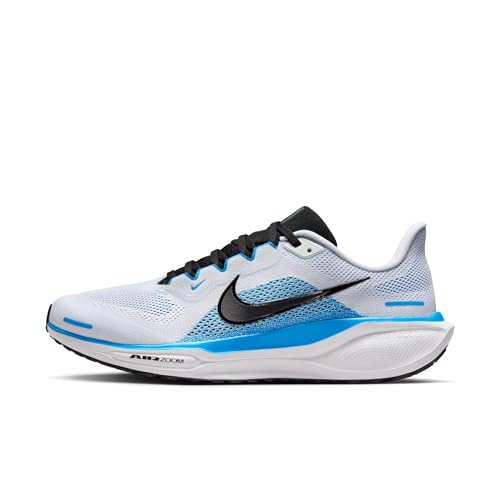
Nike replaced the Zoom Air unit in the forefoot with a responsive ReactX foam formulation to improve longevity and provide a consistent snap off the ground. The shoe features a classic fit profile that accommodates a wide range of foot shapes, reinforced by engineered mesh for targeted ventilation. This model performs reliably across various disciplines, from long slow distance runs to shorter speed sessions on the track. The full length React foam midsole offers a smooth ride that transitions seamlessly from heel to toe without feeling sluggish during easy paces.
What owners say: Feedback confirms that the Pegasus 41 is a workhorse shoe that handles high weekly mileage without dramatic loss of structural integrity or cushioning. Several owners highlight the improved durability of the outsole rubber, noting less wear pattern distortion after months of consistent use.
- Reliable durability history
- Versatile crossover capability
- Secure and classic fit
- Narrow toe box structure
- Arch discomfort for low arches

Cloudboom Echo 3
This premium racer utilizes a dual-density foam midsole combining CloudTec Phase for impact attenuation and Helion superfoam for lightweight performance during propulsion. The hidden sock liner construction provides a seamless interface between the foot and the shoe, reducing friction points during high intensity efforts. The carbon fiber infused speedboard is tuned to provide a stiff lever arm, maximizing energy transfer during the late stance phase of running. It is engineered specifically for race day performance or high threshold workouts where efficiency is paramount.
What owners say: Users report that the aggressive propulsion system significantly reduces perceived fatigue during the final kilometers of long distance races. Some feedback indicates the upper fit is very specific and may not accommodate wider feet comfortably without sizing up.
- High propulsion efficiency
- Sleek and seamless upper
- Race-ready stiffness
- High cost of entry
- Narrow fit profile
Adizero SL 2
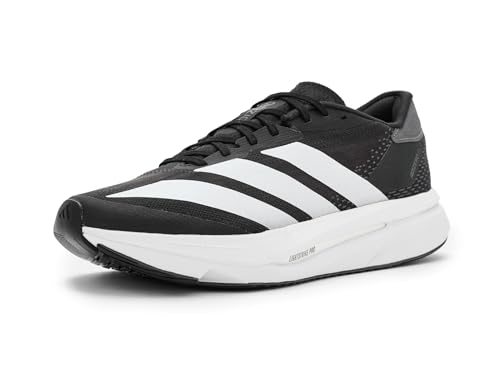
The Adizero SL 2 employs a full-length Lightstrike Pro foam midsole to deliver high energy return typically reserved for top tier racing flats at a more accessible price point. The geometry of the shoe focuses on forward momentum, making it an ideal choice for tempo runs and interval training sessions. The engineered mesh upper strips away unnecessary overlays to reduce weight while maintaining a secure lockdown around the midfoot. This model bridges the gap between daily trainers and super shoes without the carbon plate rigidity.
What owners say: Owners frequently mention that this shoe punches above its weight class regarding performance, offering a snappy feel that rivals much more expensive competitors. A common theme in reviews is the shoe's ability to handle faster paces while retaining enough cushioning for daily mileage needs.
- Fast performance feel
- Good traction on roads
- Lightweight build
- Firm ride for easy days
- Limited durability lifespan
How to choose
- Cushioning and Stack Height. Selecting the right level of cushioning depends largely on your preferred running distance and personal preference for ground feel versus impact protection. High mileage runners often benefit from maximum stack heights to reduce fatigue, while lower profile options can improve stability for speed work.
- Heel-to-Toe Drop. The differential in height between the heel and forefoot influences biomechanics and stress placed on the calf and Achilles tendon. Lower drops encourage a midfoot or forefoot strike, whereas higher drops can aid heel strikers by reducing strain on the lower leg muscles.
- Fit and Width. Ensuring the shoe matches the width and volume of your foot is critical to prevent blisters and numbness during long runs. Manufacturers offer different width options, and understanding whether your foot expands significantly upon impact will dictate the need for a wider toe box.
- Durability and Outsole. Examining the composition of the outsole rubber and the density of the midsole foam provides insight into the lifespan of the shoe. Denser compounds and strategic placement of high-abrasion rubber in high-wear zones extend the usability of the product significantly over time.
- Terrain Compatibility. Road shoes are engineered specifically for asphalt and concrete with smoother outsoles and cushioning tuned for hard surfaces. Using trail specific shoes on the road can result in rapid wear and a lack of necessary traction for slick pavement conditions.
Frequently asked questions
How often should I replace my running shoes?
Most manufacturers recommend replacing road running shoes every 300 to 500 miles depending on running style and body weight. Visual inspection of the midsole for compression wrinkles or the outsole for bald spots indicates the need for replacement.
Can I use neutral shoes if I overpronate?
Many runners with mild overpronation can successfully wear neutral shoes if they possess good foot strength and stability. Severe overpronation typically requires stability models with medial posts or dual density midsoles to correct gait mechanics.
What is the difference between daily trainers and racing shoes?
Daily trainers prioritize cushioning and durability to handle high mileage and frequent impact forces over extended periods. Racing shoes focus on lightweight materials, high energy return foams, and propulsion plates to maximize speed and efficiency for short durations.
Do I need to break in my new running shoes?
Modern running shoes generally require very little break in time compared to leather alternatives due to the use of advanced engineered mesh materials. However, it is advisable to wear them for short periods initially to allow the materials to conform to your foot shape.
Is a higher drop better for heel strikers?
A higher heel-to-toe drop usually benefits heel strikers by cushioning the initial impact and facilitating a smoother transition to the forefoot. This design helps reduce the load on the Achilles tendon and calf muscles which is helpful for newer runners.
What makes a women's specific running shoe different?
Women's specific models often feature a narrower heel and a wider forefoot to accommodate the general shape of the female foot. Additionally, some brands adjust flex grooves and midsole density to account for lower mass and potential differences in bio-mechanics.
The verdict
The Hoka Clifton 9 stands out as the superior overall choice for women due to its exceptional balance of cushioning and lightweight performance suitable for daily training. Runners seeking a versatile option for both road and gym crossover should consider the Nike Pegasus 41 for its reliable fit and durability. Those looking for a budget-friendly entry into performance running will find excellent value in the Asics Novablast 4.