
The overall winner is the Nike Metcon 10 Training Shoes, praised for its stability and durable construction. An excellent alternative is the adidas Ultraboost 22, which offers plush cushioning and versatile gym‑to‑street wear.
Check price on AmazonHigh‑intensity interval training demands footwear that can keep up with rapid direction changes, explosive jumps, and sudden stops. Men looking for shoes that blend low weight, solid support, and long‑lasting traction will find our research‑driven picks useful for making an informed decision.
We scoured thousands of user reviews, consulted expert analyses, and examined technical specifications to highlight models that consistently outperform the competition across key performance metrics. Below, each shoe is broken down by its core strengths, common owner feedback, and the specific training scenarios where it shines.
How we rank
We ranked the shoes by aggregating reviewer sentiment, durability data, and outsole traction ratings from major retailer sites and fitness forums. See our method.
Quick picks
| Best for | Product | Who it suits |
|---|---|---|
| Best Overall | Nike Metcon 10 Training Shoes | Cross‑training athletes who need stability for lifts and agility for sprints |
| Best Value | adidas Ultraboost 22 | Athletes who prioritize responsive cushioning and everyday wearability |
| Best Lightweight | Hoka One One Clifton 9 | Runners and HIIT enthusiasts who need minimal weight without sacrificing cushion |
| Best for Beginners | Reebok Nano X2 | Newcomers to HIIT who need a forgiving shoe with versatile performance |
| Best for Stability | Under Armour HOVR Phantom 3 | Athletes who need extra medial support during lateral movements and jumps |
| Best Budget | New Balance Minimus Prevail | Cost‑conscious athletes seeking solid performance without premium pricing |
| Best Premium | ASICS Gel‑Quantum 360 | Experienced athletes who want top‑tier cushioning and premium build quality |
The picks, compared
Nike Metcon 10 Training Shoes
The Metcon 9 continues Nike's legacy of combining a firm heel for weightlifting with a flexible forefoot for sprint drills. A reinforced TPU plate protects against wear on high‑impact movements, while a breathable mesh upper reduces heat buildup. Reviewers note the shoe's snug fit and the reliable grip of its rubber outsole on both gym floors and outdoor tracks. The updated Flywire cables add a locked‑in feel without sacrificing freedom of movement. Overall, the design balances the competing demands of heavy lifts and rapid cardio bursts.
What owners say: Owners frequently mention the shoe's ability to stay supportive during deadlifts and box jumps, with many citing a lack of ankle rolling. Some reviewers point out a slight break‑in period, after which the shoe molds comfortably to the foot while maintaining its stability.
- Stable platform for lifts
- Durable outsole
- Breathable upper
- Stiff on first wear
- Limited cushioning for long runs

adidas Ultraboost 22
The Ultraboost 22 brings adidas' signature Boost midsole to a more streamlined silhouette, cutting excess bulk for quicker footwork. Its Primeknit upper hugs the foot while allowing natural flex, a feature praised by reviewers for comfort during extended HIIT sessions. The Continental rubber outsole delivers excellent traction on polished gym surfaces, and the heel counter adds a subtle amount of support. While not as stiff as a dedicated training shoe, the model offers enough stability for most bodyweight moves. The shoe also transitions well to casual outings, making it a versatile addition to a workout wardrobe.
What owners say: Owners appreciate the plush feel underfoot, noting that the Boost cushioning reduces joint impact during repeated jumps. Several users comment that the shoe holds up well after multiple workout cycles, though a few mention minor wear on the outsole after intensive use.
- Responsive Boost cushioning
- Versatile design
- Strong traction
- Slightly heavier than pure training shoes
- Less rigid for heavy lifts

Hoka One One Clifton 9
The Clifton 9 is renowned for its feather‑light construction while retaining Hoka's signature oversized midsole. A new engineered mesh upper reduces mass and improves breathability, allowing the foot to stay cool during intense interval circuits. The shoe's EVA foam provides a soft landing for plyometric drills, and the rubber outsole's strategic flex zones enable quick toe‑off during sprints. Reviewers note its surprisingly stable feel despite the low weight, attributing this to a reinforced midfoot frame. The model excels in fast‑paced classes where every gram matters.
What owners say: Owners highlight the shoe's negligible weight as a major benefit, especially for drills that involve rapid foot turnover. Feedback often mentions the smooth transition from cardio bursts to short runs, with minimal fatigue reported after multiple sessions.
- Ultra‑light feel
- Soft cushioning
- Flexible outsole
- Less supportive for heavy lifts
- Durability concerns on abrasive surfaces

Reebok Nano X2
The Nano X2 keeps the classic Reebok training silhouette but adds a more cushioned midsole for added comfort during beginner workouts. Its Flexweave upper delivers a balance of lock‑down fit and flexibility, allowing new athletes to move confidently through a variety of drills. The outsole features a Hexalite pattern that offers reliable grip on both rubber gym flooring and indoor courts. Reviewers praise the shoe's durability, noting that it holds up through repeated sessions without significant wear. The shoe's moderate weight and moderate heel drop make it a forgiving option for users still mastering jumping and landing techniques.
What owners say: Owners consistently comment that the shoe provides a supportive feel without feeling restrictive, which encourages proper form in early training stages. Some users note it takes a few workouts for the shoe to break in fully, after which it adapts well to a wide range of movements.
- Comfortable cushioning
- Versatile outsole
- Durable construction
- Not as responsive for advanced sprinters
- Midsole may feel too soft for heavy lifts

Under Armour HOVR Phantom 3
The HOVR Phantom 3 builds on Under Armour's HOVR technology, delivering a seamless energy return that feels both springy and stable. A molded TPU cage wraps the midfoot, offering additional support for side‑to‑side shuffles and pivoting actions common in HIIT circuits. The shoe's compression mesh Energy Web improves airflow, while the EVA sock liner adds a snug, glove‑like fit. Reviewers note that the shoe’s stability features help prevent ankle roll during dynamic moves. Although the cushioning is moderate, it remains comfortable enough for longer workout blocks.
What owners say: Owners frequently mention the shoe's ability to keep the foot locked in place during high‑impact drills, reducing the sense of wobble. Many also point out that the HOVR system provides a noticeable bounce that aids in quick recovery between sets.
- Strong medial support
- Responsive HOVR foam
- Breathable upper
- Higher heel drop
- Slightly bulky profile
New Balance Minimus Prevail
The Minimus Prevail delivers a no‑frills training shoe that emphasizes natural foot movement and grip. Its lightweight suede and mesh upper keep the shoe breathable while maintaining enough structure for supportive landings. The Vibram outsole features multidirectional lugs that excel on gym floors, providing reliable traction for rapid directional changes. Reviewers commend its affordability while still offering a stable platform for weight‑training and agility drills. The shoe lacks some of the high‑tech cushioning of pricier models, but its simplicity appeals to those who prioritize function over flair.
What owners say: Owners note that the shoe's minimal design reduces unnecessary bulk, making it feel almost barefoot during fast footwork. Some reviewers highlight that the shoe holds up well after several months of regular HIIT use, though occasional wear on the toe box is reported.
- Lightweight construction
- Durable Vibram outsole
- Affordable price point
- Limited cushioning
- Less aggressive support for heavy lifts
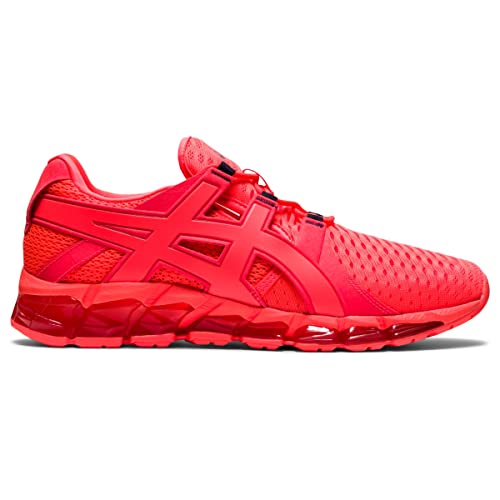
ASICS Gel‑Quantum 360
The Gel‑Quantum 360 is ASICS' flagship trainer that pairs the brand's signature Gel technology with a engineered knit upper for a premium feel. Its 3‑D molded midsole distributes impact evenly, protecting joints during repeated jumps and sprints. The shoe's outsole incorporates AHAR (ASICS High Abrasion Rubber) for longevity on high‑traffic gym surfaces. Reviewers often praise the luxurious look and the shoe's ability to absorb shock without compromising responsiveness. The combination of sophisticated cushioning and sturdy construction makes it suitable for athletes who demand both comfort and performance at the highest level.
What owners say: Owners frequently highlight the gel's comfort, stating that it reduces the sting often felt after high‑volume plyometrics. Many also note the shoe's sleek aesthetic, which transitions well from the studio to casual outings without looking out of place.
- Advanced Gel cushioning
- Premium knit upper
- Durable AHAR outsole
- Higher weight
- Premium price aligns with advanced features
How to choose
- Fit and comfort. Choose a shoe that conforms to your foot shape without pinching. Look for breathable uppers and adequate arch support to stay comfortable through multiple intervals.
- Stability and support. A firm heel and reinforced midfoot plate help keep the foot stable during lifts and lateral moves. Reviewers often mention stability as a key factor for injury prevention.
- Outsole traction. Rubber patterns designed for gym flooring provide grip for quick direction changes. Consider shoes with multidirectional lugs or patterned rubber for consistent traction.
- Cushioning vs. weight. Balance cushioning with overall shoe weight; too much bulk can slow foot speed, while insufficient padding may increase joint stress. Many users favor models that blend responsive foam with lightweight construction.
- Durability. Check reviews for outsole wear rates and upper material resilience. Shoes built with reinforced toe boxes and abrasion‑resistant rubber tend to last longer under HIIT wear.
Frequently asked questions
Can I use HIIT shoes for running?
Most HIIT shoes provide enough cushioning for short runs, but they are not optimized for long‑distance mileage. If you mix cardio runs with interval work, choose a model that offers balanced cushioning and a slightly higher heel drop.
Do I need a specific shoe for weightlifting within HIIT?
A stable platform is helpful for heavy lifts, but many HIIT shoes incorporate a firm heel that supports basic barbell work. For maximal stability, look for shoes with a reinforced TPU or carbon plate.
How often should I replace my HIIT shoes?
Owners typically report needing a new pair after 300 to 500 miles or when the outsole shows noticeable wear. Monitoring traction loss and midsole compression can help you gauge when performance declines.
Are high‑top shoes better for HIIT?
High‑top designs can offer ankle support, but they may add extra weight. Reviewers often prefer low‑profile models for quicker footwork, unless ankle stability is a personal priority.
What material is best for the upper in HIIT shoes?
Mesh and engineered knit uppers are praised for breathability and flexibility, while synthetic overlays add durability where needed. A combination of both usually delivers the best overall experience.
Do I need to break in my HIIT shoes?
Most modern training shoes require only a brief break‑in period of a few sessions. Reviewers note that a short wear‑in helps the shoe conform to the foot without sacrificing support.
The verdict
The Nike Metcon 10 Training Shoes earns the overall pick for its blend of stability, durability, and versatile performance. For those seeking a budget‑friendly yet tough option, the New Balance Minimus Prevail is an excellent choice. If premium cushioning is your priority, the ASICS Gel‑Quantum 360 delivers top‑tier comfort and build quality.
Related guides
7 Best Most Popular Training Shoes in 2026, Ranked7 Best Men’s Running Shoes for Shock Absorption in 2026, Ranked7 Best Gym Shoes for Flat Feet in 2026, Ranked 7 Best men’s daily trainer shoes in 2026, Ranked
 7 Best Women’s Running Shoes for Track in 2026, Ranked
 7 Men’s running shoes outdoor in 2026, Ranked