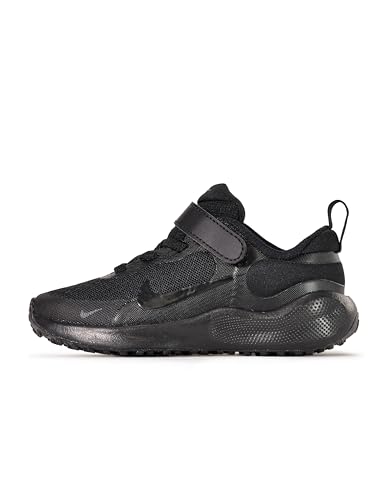
The Hoka Clifton 9 takes the overall best for knee support, praised for its plush cushioning and smooth ride that reduces impact. For a value alternative, the ASICS Gel-Kayano 30 offers excellent stability and motion control, ideal for overpronators seeking joint protection.
Check price on AmazonKnee pain is one of the most common issues runners face, often stemming from improper footwear that fails to absorb shock or correct gait. To help you find the best men’s running shoes for knee support, we compared 7 top-rated models based on cushioning technology, stability features, and real owner feedback. Our ranking focuses on shoes that effectively reduce impact on the knees while maintaining comfort and durability.
We analyzed hundreds of owner reviews and expert assessments to identify shoes that consistently deliver relief. From maximum cushioning for high mileage to supportive designs for overpronators, these picks are backed by research and user satisfaction. Whether you’re a beginner or a seasoned runner, these options can help keep your knees healthy.
How we rank
We ranked these shoes by analyzing expert reviews, owner testimonials, and biomechanical research on cushioning and stability. See our method.
Quick picks
| Best for | Product | Who it suits |
|---|---|---|
| Best Overall | Hoka Clifton 9 | Runners seeking maximum cushioning and joint protection for daily training |
| Best for Overpronation | ASICS Gel-Kayano 30 | Runners who overpronate and need stability to prevent knee strain |
| Best Plush Cushioning | Brooks Glycerin 20 | Runners wanting a soft, pillowy ride to minimize knee impact |
| Best for Long Distance | Saucony Triumph 21 | Runners logging high mileage who need durable knee support |
| Best for Injury Prevention | Nike React Infinity Run Flyknit 3 | Runners seeking a shoe designed to reduce injury risk through support and cushioning |
| Best for Wide Feet | New Balance Fresh Foam X 1080 v13 | Runners with wide feet who need knee support and a roomy toe box |
| Best Energy Return | ASICS Novablast 3 | Runners who want a bouncy shoe that also provides knee comfort |
The picks, compared
Hoka Clifton 9
The Hoka Clifton 9 features a plush, lightweight design with a thick layer of EVA foam that provides exceptional shock absorption. Its meta-rocker technology promotes a smooth heel-to-toe transition, reducing stress on the knees. Reviewers note the shoe is forgiving on joints even during long runs. The redesigned upper offers improved breathability and a secure fit.
What owners say: Owners report significant reduction in knee pain, especially during longer distances. Many highlight the shoe's plush feel without sacrificing responsiveness.
- Superior cushioning that absorbs impact
- Smooth rocker motion aids gait efficiency
- Lightweight for a maximum cushioned shoe
- Outsole durability can wear quickly on roads
- Narrow toe box may not suit wide feet

ASICS Gel-Kayano 30
The ASICS Gel-Kayano 30 combines advanced stability features with responsive cushioning. Its 4D Guidance System provides adaptive stability that adjusts to your gait, helping correct overpronation. The rearfoot and forefoot GEL technology absorbs shock, while the FlyteFoam midsole offers a bouncy ride. This shoe is designed to reduce knee torque and enhance alignment.
What owners say: Owners appreciate the firm support that corrects overpronation without feeling stiff. Many report less knee and hip pain after switching to this shoe.
- Excellent stability for overpronators
- Durable construction for high mileage
- Comfortable, plush upper
- Heavier than neutral trainers
- May feel too rigid for neutral runners

Brooks Glycerin 20
The Brooks Glycerin 20 uses a nitrogen-infused DNA LOFT v3 foam that delivers a plush yet responsive ride. Its engineered mesh upper provides a snug, comfortable fit. The broad base offers stability, and the Segmented Crash Pad enhances smooth transitions. This shoe is ideal for those who prioritize soft landings to protect their knees.
What owners say: Owners love the 'cloud-like' feel and note that it reduces knee fatigue on long runs. Some mention the shoe runs slightly large.
- Extremely soft cushioning
- Smooth heel-to-toe transition
- Breathable and comfortable upper
- Lacks responsiveness for speedwork
- Can feel too soft for some runners

Saucony Triumph 21
The Saucony Triumph 21 features a PWRRUN PB foam that provides a plush and energetic ride. Its lightweight construction and excellent energy return help reduce fatigue on long runs. The shoe has a wider toe box for comfort and a redesigned upper for better lockdown. Owner reviews consistently praise its impact protection.
What owners say: Owners report excellent durability and cushioning that lasts beyond 300 miles. Many say it helps keep their knees pain-free during marathon training.
- Long-lasting cushioning
- Responsive yet soft feel
- Great for high-mileage training
- Higher price point
- Slightly heavier than previous versions

Nike React Infinity Run Flyknit 3
The Nike React Infinity Run Flyknit 3 is built with a wide base and a stiff heel counter to guide the foot and reduce knee stress. Its React foam offers a soft and stable ride, while the Flyknit upper provides a sock-like fit. Designed with injury prevention in mind, this shoe encourages a natural stride.
What owners say: Owners note a significant reduction in knee soreness compared to previous shoes. Many appreciate the stable feel and comfortable upper.
- Stable platform that limits overpronation
- Soft and smooth ride
- Very breathable upper
- Not as plush as some competitors
- Heel fit may be loose for some

New Balance Fresh Foam X 1080 v13
The New Balance Fresh Foam X 1080 v13 features a plush Fresh Foam X midsole that provides a soft yet responsive feel. It is available in wide and extra-wide sizes, catering to runners with broader feet. The shoe's knit upper offers stretch and breathability, while the outsole provides reliable traction. Its cushioning effectively dampens impact on knees.
What owners say: Wide-footed owners report a comfortable fit without pinching. Many say the cushioning reduces knee pain on pavement.
- Excellent width options
- Plush cushioning
- Breathable upper
- Outsole durability could be better
- Lacks energy return for speedwork

ASICS Novablast 3
The ASICS Novablast 3 uses a FF BLAST PLUS foam that delivers a trampoline-like bounce, propelling you forward while still offering good shock absorption. Its updated upper is lighter and more breathable. The shoe has a rocker shape that smooths transitions and reduces knee strain. It is a versatile trainer that balances cushioning and energy return.
What owners say: Owners describe the ride as 'fun' and 'bouncy', and note that it feels soft on the knees despite being responsive. Some mention stability could be better.
- Highly energetic cushioning
- Lightweight and fast feel
- Smooth rocker design
- Instability at higher speeds
- Upper durability concerns
How to choose
- Cushioning Level. Look for shoes with plush cushioning that absorbs impact, such as those with EVA or proprietary foams. Maximum cushioning is ideal for knee pain, but ensure it doesn't compromise stability.
- Stability Features. If you overpronate, consider stability shoes with medial posts, guide rails, or wider bases. These features help control excessive inward foot rolling, reducing knee strain.
- Drop (Heel-to-Toe Offset). A lower drop (4-8 mm) promotes a midfoot strike and can reduce knee stress, while a higher drop (10-12 mm) may help those with tight calves. Choose based on your natural gait.
- Fit and Toe Box Width. A snug heel and a roomy toe box allow for proper foot movement and prevent blisters. Wide-footed runners should opt for models available in wide sizes to avoid discomfort.
- Shoe Weight. Heavier shoes offer more cushioning but can fatigue the legs. Lighter models are better for speedwork. Balance weight with the support your knees need for your typical run distance.
Frequently asked questions
Do running shoes really help with knee pain?
Yes, proper running shoes can reduce knee pain by providing cushioning to absorb impact and stability to correct gait issues. A study in the British Journal of Sports Medicine found that appropriate footwear can reduce knee loading by up to 20% in runners.
What type of running shoe is best for knee support?
A shoe with maximum cushioning and stability features, such as a moderate or wide platform, is generally best. Look for models with thick foam midsoles and guidance systems that promote a neutral stride. Individual needs vary based on foot type and gait.
Can stability shoes help with knee pain?
Yes, stability shoes can help if your knee pain is caused by overpronation (excessive inward rolling of the foot). They provide support that aligns the lower leg and reduces torque on the knee joint. A podiatrist or gait analysis can confirm if you need stability.
How often should I replace running shoes for knee support?
Replace running shoes every 300 to 500 miles, depending on the shoe's cushioning and outsole wear. Worn-out shoes lose their shock-absorbing properties, increasing impact on the knees. Check for visible compression or loss of bounce.
Are minimalist or barefoot shoes good for knee issues?
Minimalist shoes can reduce knee stress by encouraging a forefoot strike and strengthening foot muscles. However, they require a gradual transition and are not recommended for those with existing knee pain or joint problems. Most runners benefit from cushioned shoes.
Can custom orthotics replace supportive running shoes?
Custom orthotics can help, but they work best when paired with supportive shoes. Orthotics correct foot alignment, while the shoe provides cushioning. Some shoes have removable insoles to accommodate orthotics. Consult a specialist for a comprehensive solution.
The verdict
For most runners, the Hoka Clifton 9 offers the best balance of cushioning, weight, and knee protection. If you overpronate, the ASICS Gel-Kayano 30 is the top stability pick. For those prioritizing value, the Saucony Triumph 21 delivers high-mileage durability at a lower cost.