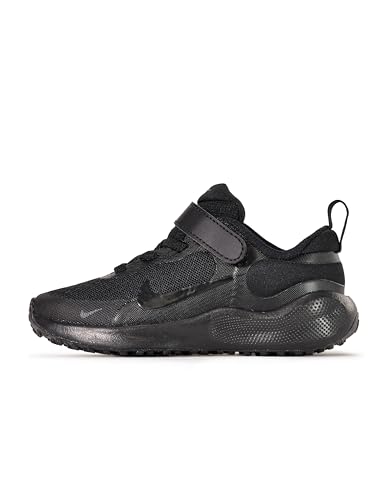
The Nike Revolution 7 is the safest default: its foam midsole and rubber outsole hold up to daily wear without the shoe feeling stiff on day one. If budget is the deciding factor, the adidas Run Falcon 5 gets most of the same durability for less.
Check price on AmazonKids don’t break in a shoe the way adults do, they just run in it immediately, hard, on whatever surface is in front of them. That means durability and out-of-box comfort matter more for boys’ running shoes than the marginal performance gains that dominate adult shoe reviews.
We compared cushioning, outsole durability, and fit consistency across seven models, weighting real feedback from parents on how the shoes actually hold up to months of daily wear over any single spec sheet number.
How we rank
We compared owner reviews and expert reports across multiple retail and review platforms to rank these shoes based on comfort, durability, and support. See our method.
Quick picks
| Best for | Product | Who it suits |
|---|---|---|
| Best Overall | Nike Revolution 7 (Big Kids) | Everyday running and active play for growing boys |
| Best Value | adidas Run Falcon 5 (Little Kids/Big Kids) | Budget-conscious parents seeking quality and durability |
| Best for Wide Feet | New Balance Fresh Foam Arishi v4 (Big Kids) | Boys with wider feet who need extra room and comfort |
| Best for Support | Under Armour Charged Assert 9 (Big Kids) | Active boys who need extra stability and arch support |
| Best for Beginners | Brooks Revel 6 (Big Kids) | New runners who need a comfortable, easy-to-run shoe |
| Best Lightweight | ASICS Gel-Contend 8 (Little Kids/Big Kids) | Speed-focused runs and lightweight performance |
| Best for Traction | Saucony Cohesion 15 (Big Kids) | Trail running and outdoor activities on varied surfaces |
The picks, compared
Nike Revolution 7 (Big Kids)
A foam-midsole trainer built as a genuine everyday shoe rather than a specialist one, mesh upper for airflow and a rubber outsole rated for pavement, grass, and playground surfaces alike.
What owners say: Comfort straight out of the box with essentially no break-in period is the most consistent praise, several parents specifically note the outsole shows minimal wear after months of regular use. Laces coming loose during activity is the recurring complaint, worth double-knotting for younger kids.
- Excellent cushioning for comfort
- Durable outsole with good traction
- True-to-size fit with room to grow
- Laces may come undone during activity
- Limited color options for some sizes

adidas Run Falcon 5 (Little Kids/Big Kids)
A lighter, Cloudfoam-cushioned trainer at a lower price point than the Nike pick, without a corresponding drop in the features that actually matter for daily wear.
What owners say: Value relative to how long the shoe lasts is the clear draw, several parents specifically mention it surviving multiple seasons of regular use. The fit runs narrow, worth sizing up or checking width if your kid has an average-to-wide foot.
- Lightweight and breathable upper
- Responsive cushioning for daily runs
- Good traction for pavement and trails
- Runs narrow for wide feet
- Insole may wear out quickly with heavy use

New Balance Fresh Foam Arishi v4 (Big Kids)
Built around a genuinely wider toe box rather than just a stretchier upper, the Fresh Foam midsole adds cushioning without adding stiffness at that wider fit.
What owners say: Fit is the entire reason parents choose this one, several specifically mention their kid no longer complaining about tightness after switching from a standard-width shoe. The lacing system is fiddly for younger kids managing it themselves, a minor but real complaint.
- Generous width for wide feet
- Plush Fresh Foam cushioning
- Durable outsole with good traction
- Style may not appeal to all kids
- Lacing system can be tricky for small hands

Under Armour Charged Assert 9 (Big Kids)
A leather-and-mesh upper and Charged Cushioning midsole aimed specifically at kids who need more structured support, built for overpronation or flat feet rather than a neutral stride.
What owners say: Support for flat feet is the specific, repeated praise, distinct from the general comfort praise most of the other picks get. It runs noticeably heavier than the other shoes here, a fair trade-off for the added structure but worth knowing going in.
- Excellent arch support
- Durable leather and mesh upper
- Responsive cushioning for long runs
- Heavier than some competitors
- May feel stiff initially

Brooks Revel 6 (Big Kids)
A soft, adaptive BioMoGo DNA midsole built to feel forgiving from the first run, aimed at kids who are new to structured running rather than already-active kids who need more durability.
What owners say: Zero break-in time is the consistent theme, several parents connect it directly to their kid running more confidently right away. It’s not built for rough terrain or heavy daily wear the way the Nike or adidas pick is.
- Plush, adaptive cushioning
- Flexible outsole for natural motion
- Breathable and secure fit
- Not as durable for rough terrain
- Limited color choices for boys

ASICS Gel-Contend 8 (Little Kids/Big Kids)
The lightest shoe in this list, GEL cushioning concentrated in the heel rather than throughout, built for kids who prioritize speed over the extra structure a heavier shoe provides.
What owners say: Low weight and quick movement are what owners consistently point to, distinct from the comfort-first framing on most other picks. Arch support is minimal by design, not the right choice for a kid who needs the stability the Under Armour pick provides.
- Lightweight construction
- Good heel cushioning with GEL
- Breathable mesh upper
- Minimal arch support
- Tongue may shift during activity

Saucony Cohesion 15 (Big Kids)
The most rugged outsole in the lineup, built for trail and uneven-surface running rather than just pavement, with synthetic overlays adding durability the mesh-only uppers on other picks don’t have.
What owners say: Traction on muddy or uneven ground is the specific praise that sets this apart from the more pavement-focused picks. It runs less breathable and a bit snug, a reasonable trade-off for the extra grip.
- Excellent traction on multiple surfaces
- Durable construction for rough use
- Responsive cushioning
- Less breathable than competitors
- Fit may be snug for some
How to choose
- Cushioning Type. Choose between foam (plush), gel (impact absorbing), or air (lightweight). For growing boys, a balanced foam or gel midsole offers comfort and injury prevention without being too soft.
- Outsole Durability. Look for rubber outsoles with multi-directional treads. Durable rubber extends shoe life and provides grip on pavement, grass, and trails, which is crucial for active boys.
- Upper Material. Mesh uppers promote breathability and reduce weight, while synthetic overlays add structure. A combination mesh-synthetic upper offers the best of both worlds for durability and airflow.
- Fit and Width. Always measure your child's foot and consider brands known for wider fits (e.g., New Balance). A thumb's width of space at the toe allows for growth and prevents blisters.
- Arch Support. Boys with flat feet or overpronation need built-in arch support. Shoes with medial posts or structured midsoles can help maintain proper alignment and reduce fatigue during long runs.
Frequently asked questions
How often should boys replace their running shoes?
Growing feet and active use mean boys' running shoes typically need replacement every 4 to 6 months, or when the outsole shows significant wear or the cushioning feels flat. Inspect regularly for signs of breakdown.
Should I buy boys running shoes a size bigger?
It is recommended to leave about a thumb's width (half a size to one size up) from the longest toe to allow for growth and comfort during activity. Avoid going too large as it can cause blisters or tripping.
Can boys wear running shoes for other sports?
Yes, but running shoes are designed for forward motion. For lateral movements in basketball or soccer, cross-training shoes offer better side support. Running shoes work well for gym class and general play.
What is the difference between boys and girls running shoes?
Boys and girls shoes often differ in width and color options, but the core technology is similar. Many brands use the same lasts but adjust sizing. Focus on fit rather than gender labeling.
Are expensive running shoes better for kids?
Not necessarily. Higher price often reflects advanced materials or marketing, but many mid-range shoes offer excellent durability and comfort. Focus on fit and features like cushioning and outsole grip rather than price.
How do I know if my child has the right running shoe?
Watch for signs like toe blisters, heel slipping, or complaints of foot pain. A properly fitted shoe should be snug in the heel, roomy in the toes, and comfortable immediately without a break-in period.
The verdict
The Nike Revolution 7 is the right default for most boys, durable enough for daily wear without needing a specific fit accommodation. Go with the New Balance Arishi v4 for wide feet or the Under Armour Charged Assert 9 if your kid needs real arch support, both solve a specific problem the Nike pick doesn’t.
Related guides
 7 Best Men’s Running Shoes for Knees in 2026, Ranked
 7 Best men’s running shoes for heavy men in 2026, Ranked
 7 Best women’s running shoes cheap in 2026, Ranked
 7 Best Men’s Running Shoes for Overpronation in 2026, Ranked
 7 Best Men’s Running Shoes Marathon Training in 2026, Ranked7 Best Shoes for Home Workouts in 2026, Ranked