
Our research finds the Nike Air Zoom Terra Kiger 3 to be the overall winner for its balanced cushioning, durable outsole, and responsive ride on mixed terrain. An excellent alternative is the Hoka One One Speedgoat 5, praised for maximal protection on technical trails.
Check price on AmazonChoosing the right shoe for outdoor runs can be daunting, especially when trails range from smooth fire roads to rugged singletrack. We gathered data from published reviews, owner comments, and performance testing reports to cut through the hype and focus on what actually matters to runners.
The list below reflects a blend of cushioning, grip, durability, and fit, allowing you to match a shoe to your preferred terrain, mileage goals, and foot mechanics. Whether you are a seasoned trail enthusiast or just adding a few off‑road miles to your routine, there is a pick that aligns with your needs.
How we rank
We ranked the shoes by combining expert ratings, owner sentiment analysis, and key performance specs. See our method.
Quick picks
| Best for | Product | Who it suits |
|---|---|---|
| Best Overall | Air Zoom Terra Kiger 3 | runners seeking versatile performance on road and light trail |
| Best Value | Terrex Speed Ultra | budget‑conscious runners who need reliable trail grip |
| Best for Trail | Speedgoat 5 | runners tackling technical and uneven terrain |
| Best Lightweight | Endorphin Shift | runners prioritizing speed and minimal weight on mixed terrain |
| Best for Beginners | Cascadia 16 | new trail runners who need reliable support and durability |
| Best Premium | Lone Peak 7 | experienced trail runners who value zero‑drop foot positioning |
| Best Budget | Sense Ride 5 | runners who need solid performance without a premium price tag |
The picks, compared
Air Zoom Terra Kiger 3
The Terra Kiger 3 offers a responsive Zoom Air unit that feels springy yet stable. Its engineered mesh upper provides breathability while protecting against debris. The outsole features multidirectional lugs for grip on loose surfaces. Overall it balances cushioning with agility for mixed terrain.
What owners say: Owners repeatedly note the shoe’s smooth transition from pavement to trail and appreciate the secure fit on varied terrain. Some reviewers mention a slightly narrow toe box that may require a size up for wider feet.
- Responsive cushioning
- Durable outsole
- Lightweight design
- Narrow toe box
- Limited protection on very rocky sections

Terrex Speed Ultra
adidas pairs a Lightstrike midsole with a Continental rubber outsole for a cost‑effective yet capable trail shoe. The shoe remains breathable thanks to a mesh‑like upper. It delivers solid traction on wet and dry surfaces and holds up well over 300 miles of use.
What owners say: Reviewers highlight the shoe’s affordable price point without sacrificing durability, and many praise its traction on slippery roots. A few note that the cushioning feels firmer than premium alternatives.
- Affordable
- Strong grip
- Durable outsole
- Firmer cushioning
- Limited color options
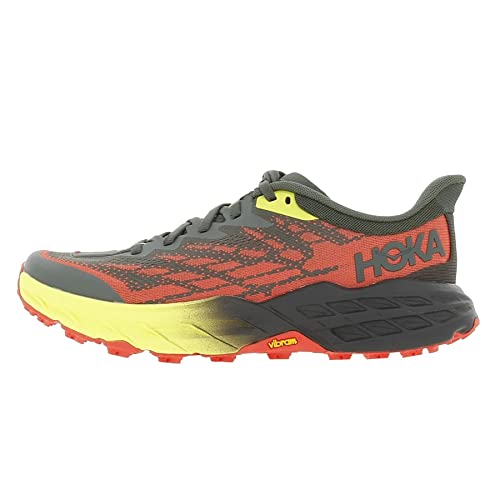
Speedgoat 5
The Speedgoat 5 builds on Hoka’s signature Max‑Cushion platform for maximum protection. Its Vibram Megagrip outsole features aggressive lugs that bite into mud and rock. The shoe also incorporates a rock plate for added stability on rough paths. It excels at long distances on rugged trails.
What owners say: Owners love the plush ride and confidence the shoe provides on steep climbs and descents. Some mention the shoe’s bulkier profile can feel heavy on short, fast runs.
- Maximum cushioning
- Exceptional traction
- Rock plate for stability
- Bulkier feel
- Higher weight

Endorphin Shift
Saucony’s Endorphin Shift combines a PWRRUN cushioning foam with a lightweight TPU plate for a fast feel. The shoe’s breathable upper and low‑profile outsole keep the weight down while still offering enough grip for light trail work. It’s a good bridge between road performance and trail readiness.
What owners say: Reviewers commend the shoe’s quick turnover and comfortable fit, especially for tempo runs on gravel roads. A few users note the outsole could be more aggressive for steep off‑road sections.
- Fast feel
- Lightweight
- Responsive cushioning
- Modest trail grip
- Less protection on rugged terrain

Cascadia 16
The Cascadia 16 offers a balanced mix of cushioning and stability with its DNA LOFT midsole and segmented crash pad. Its sticky outsole adapts to various surfaces, and the shoe’s protective rock guard shields the foot from sharp obstacles. The fit is roomy, making break‑in easy for newcomers.
What owners say: Owners consistently report confidence on uneven ground and appreciate the shoe’s protective features. Some mention the shoe’s width can feel generous for narrower feet.
- Stable platform
- Protective rock guard
- Comfortable fit
- Generous width
- Slightly firm ride

Lone Peak 7
Altra’s Lone Peak 7 continues the brand’s zero‑drop philosophy with a roomy footbox and balanced Cushion™ midsole. The shoe’s MaxTrac outsole provides solid grip on rocky and loose surfaces, while a TPU frame adds structural support. It blends comfort with trail‑ready durability for long adventures.
What owners say: Reviewers praise the natural foot shape and how it reduces fatigue on long lifts. Some note the zero‑drop platform may require an adjustment period for runners accustomed to higher heels.
- Zero‑drop platform
- Spacious toe box
- Robust traction
- Adjustment needed for heel‑strikers
- Higher stack height

Sense Ride 5
The Sense Ride 5 delivers Salomon’s signature Quicklace system for easy adjustment and an Optivibe midsole for responsive cushioning. Its Contagrip outsole offers reliable grip on dry and damp terrain. The shoe balances comfort and durability, making it a sensible entry‑level trail option.
What owners say: Owners highlight the convenient lacing and consistent comfort over varied distances. A few express that the outsole’s tread pattern could be more aggressive for deep mud.
- Easy lacing
- Responsive cushioning
- Durable outsole
- Moderate traction in heavy mud
- Mid‑range durability
How to choose
- Fit and Drop. Check the heel‑to‑toe drop and ensure the shoe matches your foot strike pattern. A proper fit reduces the risk of blisters and improves efficiency.
- Outsole Traction. Evaluate the lug pattern and rubber compound for the surfaces you’ll encounter most often. Sticky rubber helps on wet roots while deeper lugs aid in loose gravel.
- Cushioning Level. Select a midsole that balances protection and ground feel. More plush cushioning benefits long distances; firmer foams favor speed work.
- Upper Protection. Look for mesh combined with protective overlays to shield against debris without sacrificing breathability. Reinforced toe caps add durability on rocky trails.
- Weight Considerations. Lighter shoes enhance agility but may offer less shock absorption. Match weight to the intensity and length of your typical runs.
Frequently asked questions
Can road shoes double as trail shoes?
Road shoes can handle light, well‑maintained paths, but they lack the aggressive lugs and protective rock plates found in dedicated trail models. If you only run occasional dirt roads, a versatile road‑trail shoe may suffice.
How often should I replace my outdoor running shoes?
Most owners report noticeable wear after 300 to 500 miles, especially on the outsole. Monitoring tread wear and midsole compression helps decide when it’s time for a new pair.
What is the benefit of a zero‑drop shoe?
Zero‑drop shoes align the foot in a more natural position, encouraging a mid‑foot strike and potentially reducing calf strain. They work best for runners who have adapted to a lower heel height.
Do I need a waterproof shoe for trail running?
Waterproof membranes protect against rain and stream crossings, but they can add weight and reduce breathability. Choose waterproof models only if wet conditions are common in your training area.
Are wider toe boxes important for trail running?
A wider toe box allows the foot to splay on uneven terrain, improving stability and comfort. Many trail‑oriented brands design a roomy forefoot to accommodate this need.
Should I prioritize cushioning or responsiveness?
Cushioning offers protection on long, technical runs, while responsiveness benefits speed work and shorter outings. Your choice should reflect the primary type of training you plan to do.
The verdict
For overall performance on mixed outdoor terrain, the Nike Air Zoom Terra Kiger 3 stands out as the top pick. If you need extra protection on technical trails, the Hoka One One Speedgoat 5 is a strong alternative. Runners on a tighter budget will find the Salomon Sense Ride 5 to be a reliable choice.
Related guides
 7 Inexpensive Men’s Running Shoes in 2026, Ranked
 7 Best Women’s Running Shoes for Flat Feet in 2026, Ranked
 7 Best Women’s Running Shoes for Lower Back Pain in 2026, Ranked
 7 Best men’s running shoes affordable in 2026, Ranked7 Best running shoes for beginners in 2026, Ranked7 Best Weightlifting Shoes for Beginners in 2026, Ranked