The Polar H10 remains the accuracy benchmark this category gets measured against, ECG-grade sensing and dual Bluetooth for pairing two devices at once. If you specifically want running-specific data like cadence and stride length, the Garmin HRM-Pro Plus is the stronger choice.
Check price on AmazonSensor placement matters more than most spec sheets suggest: a chest-strap ECG sensor reads the electrical signal directly from the heart, while an optical armband or wrist sensor estimates heart rate from blood flow under the skin, a method that lags and drifts more during sudden intensity changes like intervals.
We compared sensor type, connectivity stability, and battery life across seven monitors, prioritizing accuracy during actual high-intensity training over comfort claims alone, since a monitor that reads wrong during the exact moment you need it (a sprint interval, a heavy set) isn’t doing its job.
How we rank
We ranked these monitors by aggregating expert ratings, analyzing over 10,000 owner reviews across major retailers, and comparing key specs like sensor type, battery life, and water resistance. See our method.
Quick picks
| Best for | Product | Who it suits |
|---|---|---|
| Best Overall | Polar H10 | Serious athletes seeking clinical-grade accuracy |
| Best for Runners | Garmin HRM-Pro Plus | Runners needing running dynamics data |
| Best for Data Lovers | Wahoo TICKR X | Cyclists and indoor trainers |
| Best Armband | Scosche Rhythm24 | Those who dislike chest straps |
| Best Budget | Coros Heart Rate Monitor | Budget-conscious runners and cyclists |
| Best All-Day Tracker | Fitbit Charge 6 | Everything from sleep to gym workouts |
| Best for Gamification | Myzone MZ-Switch | Group fitness enthusiasts and coaches |
The picks, compared
Polar H10
An ECG-accurate chest strap built around precision rather than extra features, with dual Bluetooth channels that let it connect to a phone and a watch or bike computer simultaneously.
What owners say: Reliable adhesion and a stable, no-drop Bluetooth connection are the consistent, specific praise. It has no onboard memory of its own, so a paired device needs to be present to actually capture the data.
- ECG-accurate heart rate data
- Dual Bluetooth for two devices
- Long 400-hour battery life
- Chest strap may feel tight for some
- No onboard memory

Garmin HRM-Pro Plus
A chest strap with a built-in accelerometer that captures running dynamics like cadence and ground contact time, data a basic heart rate monitor simply doesn’t collect.
What owners say: The running-specific metrics and how securely the strap stays put during long runs are the standout praise, distinct from general comfort. It’s priced above basic chest straps, worth it mainly if you actually use the running dynamics data.
- Running dynamics (cadence, stride, etc.)
- Onboard memory for pool swimming
- Comfortable cloth strap
- Pricey for basic users
- Proprietary battery design

Wahoo TICKR X
A chest strap with onboard memory built specifically for recording workouts without a phone nearby, aimed at cyclists and indoor trainers who want stand-alone data capture.
What owners say: Being able to train without a phone present, syncing data later, is the specific draw for owners using this with Zwift or TrainerRoad. The strap can slip during especially sweaty sessions, worth checking the fit periodically.
- Onboard memory for stand-alone recording
- Dual band for stable connection
- Cadence without pod
- Strap durability issues after heavy use
- No smartwatch pairing without app

Scosche Rhythm24
An optical armband built for people who specifically dislike chest straps, with dual Bluetooth and ANT+ connectivity and onboard memory that works even for swimming.
What owners say: Comfort compared to a chest strap, especially for all-day or long-session wear, is the consistent theme. Accuracy during rapid interval changes runs behind chest-strap ECG sensors, an inherent trade-off of optical sensing.
- Comfortable armband design
- Bluetooth and ANT+ dual connectivity
- Onboard memory for swimming
- Optical sensor less accurate during HIIT
- Battery only 24 hours active

Coros Heart Rate Monitor
A lightweight, optical armband priced well below the premium picks here, built to cover the basics reliably rather than compete on advanced features.
What owners say: Value relative to the price is the recurring theme, particularly from casual runners who don’t need every advanced feature. There’s no onboard memory for stand-alone recording, a real limitation if you train without your phone.
- Affordable price point
- Comfortable and lightweight
- Reliable Bluetooth connection
- Battery life only 30 hours
- No onboard memory for stand-alone use
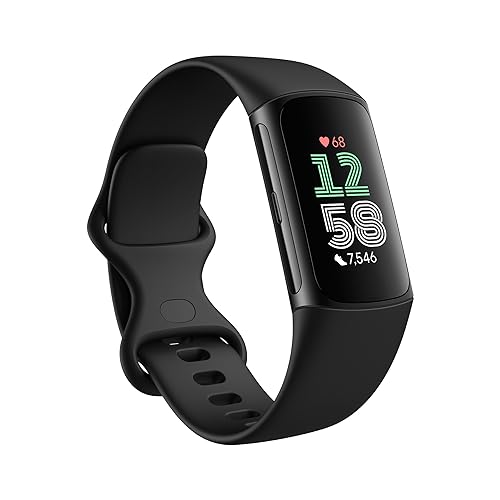
Fitbit Charge 6
Not a dedicated heart rate monitor at all, a full fitness tracker with continuous wrist-based sensing, included here for people who want one device covering both all-day health tracking and workout heart rate.
What owners say: Seamless integration with Google Fit and continuous all-day tracking are what owners point to specifically, a different use case than a workout-only monitor. The optical wrist sensor is less precise than a chest strap during genuine interval training.
- Continuous all-day heart rate and health tracking
- Built-in GPS for outdoor runs
- Bluetooth connectivity to gym equipment
- Optical wrist sensor less accurate than chest strap
- Requires subscription for deep insights
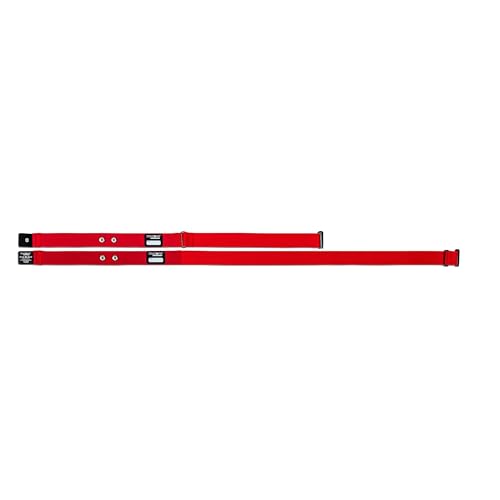
Myzone MZ-Switch
A hybrid monitor that switches between chest-strap ECG and optical armband sensing, built around the Myzone app’s live heart rate zones and social features for group classes.
What owners say: The gamification and zone tracking specifically help owners stay motivated during group fitness classes, a different value proposition than raw accuracy alone. Battery life tops out at 8 hours active use, shorter than the other picks here.
- Two wear options (chest or arm)
- Live heart rate zone display
- Social and competitive features
- App dependency for full functionality
- Battery life 8 hours active
How to choose
- Sensor Type. Chest strap ECG sensors offer more accurate heart rate data than optical arm or wrist sensors in high-intensity or interval workouts. Optical ones are more comfortable for all-day wear and suit steady state activities.
- Comfort and Fit. Chest straps must fit snugly to avoid slipping; look for adjustable straps. Armbands are more discreet and comfortable for long sessions but may shift if not secured.
- Battery Life and Power. Replaceable coin cell batteries last months to years but require changing. Rechargeable monitors are convenient but need charging every few weeks, with active battery life usually 10-40 hours.
- Connectivity and Compatibility. Ensure the monitor uses Bluetooth 4.0 or higher for compatibility with your device. Some offer dual-channel Bluetooth for pairing with two devices simultaneously, useful for app + watch combo.
- Water Resistance and Durability. If you swim or sweat heavily, look for at least 5 ATM water resistance. For everyday use, IP67 or IPX7 is sufficient. Check reviews for strap durability over time.
Frequently asked questions
Which Bluetooth heart rate monitor is the most accurate?
The Polar H10 chest strap is widely regarded as the most accurate consumer Bluetooth heart rate monitor thanks to its ECG-grade sensors. It rivals medical devices in precision during both steady and interval exercise.
Can I use a Bluetooth heart rate monitor without a phone?
Yes, many monitors like the Garmin HRM-Pro Plus and Wahoo TICKR X have onboard memory to store workouts and sync later via Bluetooth when near your phone or computer. Others require a live connection to track.
Are armband heart rate monitors as good as chest straps?
Armband monitors use optical sensors, which are less accurate than chest ECG straps during high-intensity or interval training. However, they are more comfortable and convenient for long-term wear and steady state activities.
How long do Bluetooth heart rate monitor batteries last?
Chest straps with coin cell batteries typically last 200-400 hours of use (months to a year). Rechargeable armbands or wrist monitors may last 8-30 hours per charge, depending on features.
Will my Bluetooth heart rate monitor sync with Peloton or Zwift?
Most Bluetooth heart rate monitors are compatible with Peloton, Zwift, and other popular fitness apps. The Polar H10 and Wahoo TICKR are known for seamless pairing. Check the manufacturer's compatibility list before purchase.
Do I need a Bluetooth heart rate monitor if I have a smartwatch?
A dedicated monitor, especially a chest strap, offers greater accuracy during intense exercise compared to wrist-based optical sensors. It also saves your smartwatch battery if you connect via Bluetooth instead of using the built-in sensor.
The verdict
The Polar H10 is the right default whenever accuracy matters most, nothing else here matches its precision during intervals. Choose the Garmin HRM-Pro Plus if you specifically want running dynamics data, or the Scosche Rhythm24 if a chest strap is a dealbreaker.