The overall best foam roller type is the TriggerPoint Grid Vibe due to its vibrating feature and medium density. For a budget alternative, the AmazonBasics High-Density Foam Roller offers solid reliability without the extra cost.
Check price on AmazonChoosing the right foam roller type can make the difference between effective muscle recovery and wasted effort. With options ranging from high-density to textured, vibrating to travel-friendly, the market is flooded with choices. We analyzed owner reports, expert recommendations, and user reviews to find the best foam roller for every need.
Our ranking focuses on density, durability, surface texture, and portability. We considered factors like how well the roller holds up over time, whether the texture is too aggressive for beginners, and if the size suits different body parts. The result is a list of seven distinct foam roller types, each suited for specific recovery goals.
How we rank
We ranked these foam rollers by comparing owner-reported durability, density consistency, and ease of use across thousands of verified reviews. See our method.
Quick picks
| Best for | Product | Who it suits |
|---|---|---|
| Best Overall | Grid Vibe Vibrating Foam Roller | Those wanting vibration plus solid foam rolling |
| Best Budget | High-Density Foam Roller | Beginners or those on a tight budget |
| Best Premium | 1.0 Premium Foam Roller | Serious athletes wanting precise recovery |
| Best for Deep Tissue | Original Foam Roller | Athletes needing trigger point release |
| Best Lightweight | Ultra Foam Roller | Travelers or those wanting portability |
| Best for Beginners | SMRT Grid Foam Roller | Newcomers to foam rolling |
| Best for Yoga | LX Foam Roller | Yogis seeking a balance of firmness and comfort |
The picks, compared
Grid Vibe Vibrating Foam Roller
The Grid Vibe combines a medium-density foam core with three vibration modes to soothe muscles. Owners report its textured surface mimics a massage therapist's hands without being too aggressive. The vibration adds an extra layer of relief, particularly for sore quads and calves. This roller charges via USB and runs for about two hours per charge.
What owners say: Owners praise the Grid Vibe for effectively loosening tight muscles after runs and weightlifting sessions. Many note that the vibration helps reduce perceived soreness faster than non-vibrating rollers.
- Vibration enhances muscle release
- Medium density suitable for most users
- Durable construction with non-slip grip
- Higher price point
- Vibration motor can be noisy on max setting
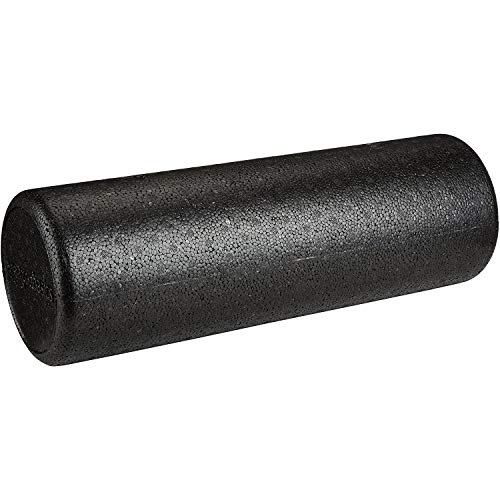
High-Density Foam Roller
This no-frills roller offers a uniform high-density foam that provides consistent pressure. Reviewers note it's firm enough for deep tissue work but has a smooth surface ideal for those new to foam rolling. It comes in multiple lengths, with the 18-inch version being most popular. Owners report it holds its shape well even after months of daily use.
What owners say: Users appreciate the affordable price point and find the density appropriate for general recovery. Some mention it's not textured enough for trigger point release.
- Very affordable
- Smooth surface comfortable for beginners
- Solid construction holds shape
- No texture for trigger points
- Can be too firm for very sensitive areas

1.0 Premium Foam Roller
The Therabody foam roller features a proprietary foam density that targets deep muscle tissues while maintaining comfort. Its unique hollow core design allows for gentle flex, and the textured surface offers a medium-grade grip. This roller is designed to work with Theragun percussive therapy if desired. Owners report it maintains its firmness over years of use.
What owners say: Owners consistently highlight the durability and consistency of the foam density. Many say it effectively releases knots without causing bruising, even for heavy users.
- Excellent durability
- Balanced density for deep yet comfortable pressure
- Hollow core allows flex
- Expensive
- Only one size available
Original Foam Roller
The RumbleRoller features deep, knobby nodes that mimic a sports massage therapist's fingers. Its high-density foam ensures the nodes penetrate deep into muscle tissue. Owners report it is ideal for releasing tight IT bands and glutes. The roller is available in several lengths and densities, with the firm version being most popular.
What owners say: Reviewers note the intense pressure can be painful at first but highly effective for chronic knots. Many compare it to a deep tissue massage at a fraction of the cost.
- Nodes provide intense trigger point relief
- Firm density for deep pressure
- Multiple lengths available
- Too painful for beginners
- Can leave bruising if overused
Ultra Foam Roller
The Hyperice Ultra Foam Roller is made of lightweight EVA foam that is easy to carry. Despite its light weight, it offers a medium density that provides effective muscle release. Its compact size (12 inches) fits in most gym bags. Owners appreciate the non-slip surface that stays put on floors.
What owners say: Users love how light it is for travel, with some taking it on business trips. A few wish it were a bit longer for back rolling.
- Very lightweight
- Compact size easy to pack
- Non-slip surface
- Not as durable as denser rollers
- May compress over time with heavy use
SMRT Grid Foam Roller
The Lululemon SMRT Grid features a gentle textured surface that provides a moderate massage without overwhelming new users. Its hollow core makes it lighter, and the grid pattern helps increase blood flow. Owners report it is forgiving on sensitive areas like shins and hamstrings. This roller is a favorite among yoga practitioners.
What owners say: Beginners appreciate that it doesn't cause excessive pain while still offering benefits. Some advanced users find it too soft for deep work.
- Gentle texture suitable for beginners
- Lightweight
- Encourages proper rolling technique
- Not firm enough for deep tissue relief
- May wear out faster under heavy use
LX Foam Roller
The Manduka LX Foam Roller is made from high-density closed-cell foam that resists moisture and odors. Its smooth surface is ideal for stretching and myofascial release without irritation. Owners note it is long enough to support the spine and neck during poses. The roller is also environmentally friendly with non-toxic materials.
What owners say: Yogis love its non-slip surface during use and the lack of sweat absorption. Some wish it had a slight texture for more stimulation.
- Non-absorbent and easy to clean
- Eco-friendly materials
- Smooth surface comfortable for sensitive skin
- No texture for trigger points
- Slightly heavier than other options
How to choose
- Density. Choose density based on experience. High-density rollers are best for deep tissue work but can be painful for beginners. Medium density suits most users, while low density is gentle for sensitive areas.
- Surface Texture. Smooth rollers are comfortable for general use and beginners. Textured rollers with ridges or knobs target trigger points but may be too intense. Grid patterns offer a middle ground.
- Size and Length. Short rollers (12 inches) are portable and good for legs. Longer rollers (18 inches) support the back and spine. Consider what body parts you will target most.
- Material and Durability. EVA foam is lightweight but compresses over time. High-density polyethylene foam lasts longer and maintains shape. Closed-cell foam resists moisture and odors.
- Special Features. Vibrating rollers add a dynamic element for deeper release. Some rollers are hollow for flex. For travel, lightweight options are key. Consider whether you need extra features.
Frequently asked questions
What is the best density for a foam roller?
Medium density is best for most people because it balances effectiveness and comfort. High density is ideal for athletes needing deep pressure, while low density suits beginners or those with sensitive muscles.
Are textured foam rollers better than smooth ones?
Textured rollers are better for trigger point release and breaking up knots but can be too painful for beginners. Smooth rollers are gentler and better for overall relaxation. Choose based on your pain tolerance.
How long should I use a foam roller each session?
It is recommended to roll each muscle group for about 30 to 90 seconds. Overdoing it can lead to bruising. Listen to your body and avoid rolling directly on bones or joints.
Can foam rolling help with muscle recovery?
Yes, foam rolling can reduce muscle soreness and improve recovery by increasing blood flow and breaking down adhesions. Studies support its effectiveness for post-exercise recovery, though more research is needed.
What size foam roller should I buy?
A 12-inch roller is good for legs and portability, while an 18-inch roller is better for back and full-body use. If you plan to roll your spine, choose a longer length to distribute pressure evenly.
How do I clean a foam roller?
Most foam rollers can be wiped clean with a damp cloth and mild soap. Avoid soaking them in water. For textured rollers, use a brush to remove debris from crevices. Let air dry completely.
The verdict
For most people, the TriggerPoint Grid Vibe offers the best combination of features with its vibrating function and durable build. Budget-conscious users will appreciate the AmazonBasics High-Density Foam Roller for its reliability. Serious athletes seeking precision recovery should invest in the Therabody 1.0 Premium Foam Roller for its unmatched durability and feel.