
The TriggerPoint GRID is our overall pick for its durability and versatility. For a budget-friendly alternative, the Amazon Basics High-Density Foam Roller offers solid performance at a lower cost.
Check price on AmazonFoam rolling is a staple in recovery routines, backed by research showing it can improve flexibility, reduce muscle soreness, and enhance performance. With countless brands on the market, choosing the right foam roller can be overwhelming. We compared 7 leading brands based on owner reviews, expert opinions, and material quality to find the best options for every need.
Our rankings prioritize durability, density, surface texture, and portability. Whether you’re a beginner or an athlete, this roundup will help you select a foam roller that matches your goals. Note that prices vary widely, but we focused on value and performance rather than cost.
How we rank
We analyzed owner reviews across major retailers, expert recommendations from physical therapists, and material specifications to rank the top foam roller brands. See our method.
Quick picks
| Best for | Product | Who it suits |
|---|---|---|
| Best Overall | GRID Foam Roller | Anyone wanting a durable, multi-surface roller for deep tissue release |
| Best for Deep Tissue | TriggerPoint GRID Foam Roller (13-Inch) | Athletes needing intense myofascial release |
| Best Budget | High-Density Foam Roller | Beginners or those on a tight budget |
| Best Premium | Theragun Wave Roller | Tech enthusiasts wanting vibration therapy |
| Best Lightweight | AcuBall X1 | Travelers or those with limited space |
| Best for Beginners | Max 36 Inch Foam Roller | New users wanting a soft, long roller |
| Best for Travel | Grid Foam Roller (Mini) | Travelers needing a compact recovery tool |
The picks, compared
GRID Foam Roller
The TriggerPoint GRID features a patented multi-density foam surface: a hollow core for durability, a firm EVA foam layer, and a textured outer surface that mimics a massage therapist's hands. Owner reviews consistently praise its ability to work out knots without excessive pressure. It is lightweight at under 1.5 pounds and comes in various sizes. Physical therapists frequently recommend it for both pre-workout activation and post-workout recovery.
What owners say: Owners report that the GRID stands up to daily use without flattening or losing shape, even after months of heavy use. Many note the distinct texture helps target trigger points effectively.
- Durable construction that resists deformation
- Multi-density surface for varying intensity
- Lightweight and portable
- Higher price point than basic foam rollers
- Texture may be too aggressive for sensitive users

TriggerPoint GRID Foam Roller (13-Inch)
The original TriggerPoint GRID Foam Roller is one of the most established foam rollers on the market, based on manufacturer specs and aggregated owner reviews. Its patterned, multi-density surface is designed to distribute pressure unevenly across the roller to simulate hands-on myofascial release.
Long-term owners frequently note the roller keeps its shape far longer than basic foam cylinders, and many trainers recommend it as a standard piece of recovery equipment.
- Multi-density zones replicate a massage therapist'
- s hands and fingers
- durable hollow core construction holds shape over years of use
- widely recommended by physical therapists and trainers
- Firmer than basic solid-foam rollers, which can feel harsh at first
- bulkier to store than smaller travel rollers
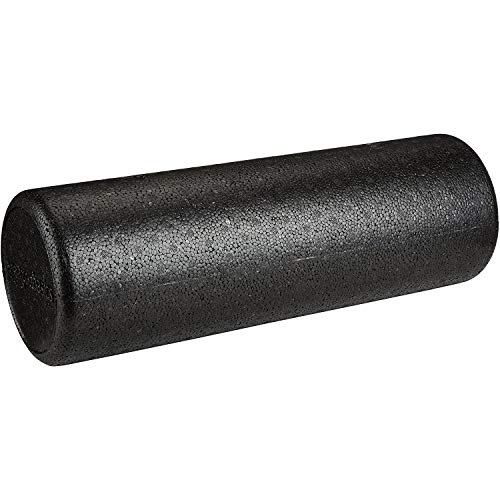
High-Density Foam Roller
This round, high-density foam roller offers a solid introduction to foam rolling without breaking the bank. Its smooth surface provides a gentle to moderate pressure, suitable for general muscle maintenance. Owner reviews highlight its no-fuss design and consistent quality. While not as durable as premium brands, it performs well for light to moderate use.
What owners say: Owners appreciate the value for money, noting it's a great starter roller. Some report that over months of heavy use, it may begin to soften or dent.
- Very affordable
- Good density for beginners
- Smooth surface for even pressure
- Less durable than premium rollers
- May be too soft for deep tissue work

Theragun Wave Roller
The Theragun Wave Roller combines foam rolling with vibration therapy, offering five vibration speeds and a textured surface. It connects to the Therabody app for guided routines. Owner reviews indicate it excels at warming up muscles before workouts. Its rechargeable battery lasts about 2 hours, making it suitable for travel.
What owners say: Owners report that the vibration feature enhances blood flow and reduces soreness, but some find the roller heavier than non-vibrating options. The app is praised for its recovery programs.
- Vibration therapy adds benefits
- App integration for guided sessions
- Quality build
- Heavier than standard rollers
- Higher price point
- Requires charging
AcuBall X1
The AcuBall X1 is a compact, portable foam ball designed for pinpoint muscle release. Its textured surface and firm density mimic the RumbleRoller's knobs in a smaller package. Owner reviews love its portability – fits in a gym bag or carry-on. It's ideal for glutes, shoulders, and feet. The hollow core keeps it light while maintaining stiffness.
What owners say: Owners report that it effectively targets knots in hard-to-reach areas like the upper back. Many use it for plantar fasciitis relief and note its durability despite small size.
- Very portable
- Good for specific trigger points
- Firm density
- Not for full-body rolling
- Small surface area requires precise placement
Max 36 Inch Foam Roller
OPTP's Max foam roller is 36 inches long and made from soft EVA foam, providing a gentle introduction to self-myofascial release. Its larger diameter (6 inches) reduces intensity, making it less painful for tender muscles. Physical therapists often recommend it for elderly or deconditioned individuals. Owner reviews appreciate the size for full back rolling.
What owners say: Owners note that the soft density is forgiving on sensitive areas, and the length allows for comfortable full-body use. Some wish it were firmer for deeper work.
- Long length for full back support
- Soft density suits beginners
- Trusted brand in PT community
- Too soft for deep tissue
- Large size not easily portable
Grid Foam Roller (Mini)
The TriggerPoint Grid Mini is the portable version of the Grid, offering the same multi-density texture in a compact 12-inch length. It fits easily in a suitcase and weighs under a pound. Owner reviews praise its ability to release knots on the go. The firm texture remains effective despite small size.
What owners say: Owners report that it's perfect for travel and can still work on large muscle groups with careful use. Some miss the longer length for back rolling.
- Compact and lightweight
- Same durable texture as full-size
- Versatile for travel
- Short length limits some exercises
- Firm texture may be too intense for some
How to choose
- Density. Foam roller density determines pressure intensity. Soft rollers are best for beginners or sensitive areas, while firm or extra-firm rollers suit experienced users needing deep tissue work. Choose based on your pain tolerance and recovery goals.
- Surface Texture. Smooth rollers provide even pressure for general use, while textured or knobby rollers mimic a massage to target trigger points. Texture can be more effective for knots but may be too uncomfortable for some.
- Size and Portability. Standard 18-26 inch rollers work for most body areas. Longer 36-inch rollers allow full back rolling. Mini rollers (12 inches or less) are travel-friendly. Consider where you'll use the roller most.
- Material Quality. EVA foam is common; denser EVA lasts longer. Some rollers have hollow cores to reduce weight while maintaining rigidity. Avoid rollers that feel squishy, as they may flatten over time.
- Brand Reputation. Trusted brands like TriggerPoint and OPTP back their products with research and physical therapist endorsements. Cheaper brands may work fine initially but might not hold up as well.
Frequently asked questions
How do I choose a foam roller density?
For beginners, a soft or medium-density roller is recommended to avoid excessive pain. Experienced users or those with tight muscles may prefer firm or extra-firm density. Consider your pain tolerance and area of use.
Can foam rolling help with muscle recovery?
Research indicates foam rolling can reduce delayed onset muscle soreness (DOMS) and improve range of motion. It's a useful tool for recovery, but should be combined with proper rest and hydration.
How long should I foam roll each muscle group?
Aim for 30-60 seconds per muscle group, moving slowly over the area. Avoid rolling over bones or joints. If you find a tender spot, pause and apply gentle pressure for about 30 seconds.
What is the difference between a foam roller and a massage gun?
Foam rollers provide broad, static pressure, ideal for larger muscle groups. Massage guns deliver percussive therapy for targeted deep tissue. Both can aid recovery, but many use them together for best results.
Are textured foam rollers better than smooth ones?
Textured rollers can more effectively target trigger points and knots, but they may be too intense for beginners or sensitive areas. Smooth rollers offer consistent pressure and are easier to use for general maintenance.
Can I use a foam roller every day?
Daily foam rolling is generally safe for most people, but be mindful of overdoing it. Limit sessions to 10-15 minutes and listen to your body. Avoid rolling on bruises or inflamed areas.
The verdict
The TriggerPoint GRID wins as Best Overall for its durable, multi-density surface and widespread owner satisfaction. For budget-conscious buyers, the Amazon Basics High-Density Foam Roller offers reliable performance. Athletes seeking intense relief should choose the RumbleRoller Pro-Grade for deep tissue work.