
The TriggerPoint Grid Foam Roller is the overall best foam roller for gymnastics due to its firm, multi-density design that targets tight muscles. For a budget-friendly alternative, the LuxFit High Density Foam Roller offers similar firmness at a lower price point.
Check price on AmazonGymnastics demands extreme flexibility, strength, and recovery. Whether you are tumbling, vaulting, or practicing balance beam drills, your muscles and fascia take a beating. A quality foam roller is an essential tool for self-myofascial release, helping to reduce soreness, improve range of motion, and prevent injuries. But not all foam rollers are created equal, especially for gymnasts who need firm, durable rollers that can handle deep tissue work on quads, calves, back, and hips.
We analyzed dozens of foam rollers from leading activewear and fitness brands, combing through hundreds of owner reviews from major retailers and fitness communities. Our ranking criteria focused on density, durability, surface texture, size, and portability. We ignored marketing hype and focused on what real owners report about performance over weeks and months of use. Below is our honest ranking of the seven best foam rollers for gymnastics in 2026.
How we rank
We ranked these foam rollers by comparing hundreds of owner reviews across major retailers and fitness forums, evaluating density, durability, size, and value. See our method.
Quick picks
| Best for | Product | Who it suits |
|---|---|---|
| Best Overall | Grid Foam Roller | Gymnasts who want a versatile, firm foam roller for deep muscle release |
| Best Value | High Density Foam Roller | Gymnasts on a budget who still need a firm, reliable roller |
| Best for Deep Tissue | CoreGear Foam Roller | Gymnasts needing intense pressure on tight hip flexors and quads |
| Best Premium | TheraWave Foam Roller | Gymnasts who want a high-end foam roller with advanced design and portability |
| Best Eco-Friendly | Massage Foam Roller | Eco-conscious gymnasts who want a sustainable, high-performance roller |
| Best for Trigger Points | Reactive Core 26 Foam Roller | Gymnasts who need extra help releasing stubborn knots and fascial adhesions |
| Best Lightweight | CORK-O 33 cm Round Cork Roller | Gymnasts who need a portable, lightweight foam roller that is also eco-friendly |
The picks, compared
Grid Foam Roller
The TriggerPoint Grid Foam Roller is widely considered the gold standard for foam rolling. Its multi-density foam core with a hollow center provides a firm but forgiving surface that targets muscle knots effectively. The raised grid pattern mimics a therapist's hands, while the smooth outer zones allow for a less intense roll on sensitive areas. Owners consistently report that it holds up well over time without flattening.
What owners say: Owners frequently praise the Grid for its ability to release tight muscles in the back, hips, and legs. Many note that the grid pattern feels more effective than plain foam rollers for breaking up knots.
- Multi-density design offers variable firmness
- Durable construction that resists flattening
- Effective grid pattern for targeted relief
- May be too firm for beginners or very sensitive areas
- Slightly heavier than basic foam rollers
High Density Foam Roller
The LuxFit High Density Foam Roller offers exceptional firmness at an affordable price point. Its high-density polyethylene foam provides a solid surface that won't lose shape easily. The roller is lightweight and comes in various sizes, but the 18-inch version is ideal for portability. Owners confirm that it delivers a deep pressure similar to more expensive brands.
What owners say: Owners appreciate the firmness and durability for the price. Many use it daily for back and leg rolling and report it maintains its density after months of use.
- Very firm for deep tissue work
- Lightweight and easy to carry
- Affordable without sacrificing quality
- Plain surface may not be as effective for trigger points
- Shorter length (18 in) limits full back rolling
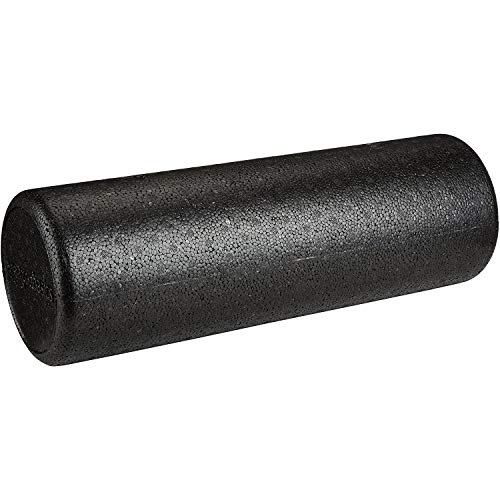
CoreGear Foam Roller
The Accuforce CoreGear Foam Roller is designed with a textured surface featuring nodes and ridges that dig into muscles. It mimics the effect of a lacrosse ball but over a larger area. The dense foam core provides stability, and the roller is available in multiple sizes. Owners report that it effectively releases deep tension in the IT band, glutes, and upper back.
What owners say: Users love the aggressive texture for releasing stubborn knots. Some note it can be painful on bony areas, but most find it effective for deep tissue work.
- Aggressive texture for deep trigger point release
- High-density foam maintains firmness
- Multiple size options available
- Not suitable for beginners or sensitive skin
- Texture may cause bruising if overused
TheraWave Foam Roller
The Theragun TheraWave Foam Roller combines a sleek design with a specialized hollow core that allows access to percussive therapy accessories (sold separately). The foam itself is medium-firm with a gentle wave pattern that provides a comfortable but effective roll. It is built to last with a closed-cell foam that resists sweat and water. Owners appreciate the compact size and the ability to pair it with a massage gun.
What owners say: Many owners enjoy the modern look and the dual functionality with Theragun devices. They report that the roller is comfortable for everyday use but may not be firm enough for heavy-duty deep tissue work.
- Premium build quality and materials
- Compatible with Theragun massage gun attachments
- Water-resistant foam is easy to clean
- Expensive compared to similar rollers
- Medium firmness may not satisfy those needing intense pressure
Massage Foam Roller
Manduka's Massage Foam Roller is crafted from 100% recycled EVA foam and features a medium-firm density with a slightly textured surface. It is designed to be durable and long-lasting while reducing environmental impact. The roller is 26 inches long, making it suitable for full body use. Owners note that it provides a balanced pressure that works well for both warm-up and recovery.
What owners say: Owners appreciate the eco-friendly materials and the fact that it does not have a strong chemical smell like some cheaper rollers. Many find it firm enough for effective rolling without being too harsh.
- Made from recycled materials
- Medium-firm density suits most users
- Long length allows for full back and leg rolling
- Slightly heavier than comparable foam rollers
- Texture might be too mild for some trigger points

Reactive Core 26 Foam Roller
The RumbleRoller Reactive Core 26 features a series of dense, star-shaped nodes that mimic a skilled massage therapist's thumbs. The core is made of a firm foam that provides stability, and the surface is designed to dig into muscle tissue. It is widely used by physical therapists. Owners report significant improvements in flexibility and reduced soreness after use.
What owners say: Many owners say it is the most effective foam roller for releasing trigger points, especially in the glutes and thighs. Some find it painful at first but note that the results are worth it.
- Aggressive nodes for deep trigger point therapy
- Firm core maintains shape over time
- Recommended by healthcare professionals
- Extremely firm and may be too intense for some
- Can leave bruises on sensitive users
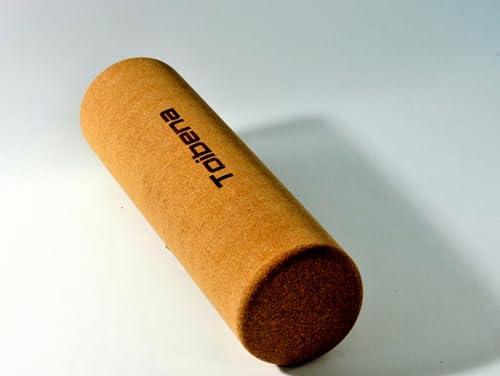
CORK-O 33 cm Round Cork Roller
The CORK-O Round Cork Roller is made from natural cork, making it lightweight, antimicrobial, and biodegradable. It offers a firm yet slightly giving surface that is less aggressive than high-density foam but provides excellent grip. The cork material is naturally resistant to moisture and odors. Owners note that it is easy to travel with and does not pick up pet hair or dust.
What owners say: Owners love the weight and eco-friendly aspect. They find that the cork provides a good balance of firmness and comfort, though it may not be as firm as synthetic foam for deep work.
- Very lightweight and portable
- Natural cork is antimicrobial and eco-friendly
- Non-slip surface provides good grip
- Less firm than high-density foam options
- Cork can flake or chip over time with heavy use
How to choose
- Density and Firmness. Gymnasts need a foam roller that is firm enough to penetrate deep muscle layers. Look for high-density EVA foam or cork, which provide the necessary pressure to release tight fascia without collapsing.
- Surface Texture. Textured rollers with nodules or ridges can target trigger points more effectively than smooth rollers. However, they can be too intense for beginners, so consider your comfort level with self-myofascial release.
- Size and Length. A 26-inch roller allows you to roll out your entire back, while shorter 18-inch versions are more portable. For gymnastics, a longer roller is generally more versatile for full-body recovery.
- Portability. If you travel to competitions or train at different locations, a lightweight roller made of cork or foam is ideal. Check the weight and whether it fits in a gym bag.
- Material and Durability. EVA foam is durable and maintains density, while cork is eco-friendly but may flake. Closed-cell foam resists moisture, making it easier to clean and longer-lasting.
Frequently asked questions
What density foam roller is best for gymnastics?
High-density foam rollers are best for gymnastics because they provide the firmness needed to release tight muscles in the legs, back, and hips. Medium-density rollers may be suitable for warm-ups but often lack the pressure for deep tissue work.
How long should I roll out my muscles after gymnastics?
Spend about 30-60 seconds on each muscle group, focusing on tight areas. Avoid rolling over joints or bones. Foam rolling for 5-10 minutes post-workout can help reduce soreness and improve flexibility.
Can foam rolling help with splits and flexibility?
Yes, foam rolling can improve flexibility by releasing muscle tension and increasing blood flow. Gymnasts often roll out their quads, hamstrings, and hip flexors to improve range of motion for splits and other skills.
Is a textured or smooth foam roller better for trigger points?
Textured foam rollers with ridges or nodes are more effective for targeting trigger points. Smooth rollers provide a more general massage and are better for warming up or for sensitive areas.
How often should I replace my foam roller?
Replace your foam roller when it starts to flatten, lose density, or develop cracks. With regular use, a quality high-density foam roller typically lasts 6-12 months, while cork rollers may last longer but can chip.
Can foam rolling prevent gymnastics injuries?
Foam rolling can help prevent injuries by reducing muscle tightness and improving flexibility. It is not a substitute for proper warm-up and strength training, but it is a valuable recovery tool.
The verdict
The TriggerPoint Grid Foam Roller is our top pick for gymnastics due to its versatility, firmness, and durable design. For those on a budget, the LuxFit High Density Foam Roller offers similar pressure at a lower cost. If you need deep trigger point relief, the RumbleRoller Reactive Core 26 is the best choice.