
The best foam roller for deep tissue work overall is the TriggerPoint GRID Foam Roller, with its multi-density surface and durable construction. For a more intense option, the RumbleRoller Original is a strong alternative with its nubby texture that targets deeper muscle knots.
Check price on AmazonDeep tissue work requires a foam roller that can deliver enough pressure to break up knots and release tight fascia without being too soft. We compared the top-rated models on the market, analyzing their density, surface design, portability, and longevity based on thousands of owner reviews. The best deep tissue foam rollers balance aggression with comfort, allowing you to apply as much or as little pressure as needed.
Our ranking prioritizes products that consistently receive high marks for effectiveness, durability, and value. We looked at rollers made from high-density EVA foam, hollow or solid cores, and those with unique surface features like ridges, knobs, or grids. Each pick is backed by research on myofascial release and real user feedback to help you choose the right tool for your recovery routine.
How we rank
We ranked these foam rollers based on density, surface texture, durability, portability, and aggregated owner reviews from multiple retail sources. See our method.
Quick picks
| Best for | Product | Who it suits |
|---|---|---|
| Best Overall | TriggerPoint GRID Foam Roller | Athletes and daily users wanting a versatile, long-lasting roller |
| Best for Deep Knots | RumbleRoller Original (26 inches) | People with chronic muscle tightness or trigger points |
| Best Premium | Hyperice Vyper 3.0 | Serious athletes wanting vibration therapy with deep tissue pressure |
| Best for Beginners | Lululemon Double Roller (Medium Support) | Newcomers to foam rolling or those who prefer medium density |
| Best Value | MB12 Sports Roller | Budget-conscious users who need a reliable firm roller |
| Best Lightweight | Bala Hourglass Foam Roller | Travel and portability without sacrificing density |
| Best for Travel | TriggerPoint Core Roller | Travelers needing a portable yet effective deep tissue option |
The picks, compared
TriggerPoint GRID Foam Roller
The TriggerPoint GRID features a multi-density foam surface with a hollow center, offering a firm yet comfortable experience. Its grid pattern mimics hand pressure points, allowing for targeted myofascial release. Users appreciate the durability and balance between aggressive and gentle. It is designed for both warm-ups and post-workout recovery.
What owners say: Owners consistently praise its durability and effectiveness for deep tissue work, noting that it holds up well over years of use. Many report that the grid pattern helps them reach specific knots without causing excessive bruising.
- Multi-density surface provides variable pressure
- Hollow core reduces weight for easy transport
- Grid pattern mimics manual therapy techniques
- Higher price point than basic foam rollers
- Surface may be too firm for some beginners
RumbleRoller Original (26 inches)
The RumbleRoller Original is covered in firm, hollow knobs that penetrate deep into muscle tissue, simulating a sports massage. It is made from high-density EVA foam and comes in multiple lengths. This roller excels at breaking up adhesions and relieving knots, though it requires some tolerance for discomfort.
What owners say: Many owners compare it to a deep tissue massage and report significant relief from chronic tightness. Some note that it can be painful on sensitive areas, but most agree the results are worth it.
- Nubby texture targets deep trigger points effectively
- Durable construction holds up over time
- Available in sizes from 13 to 36 inches
- Can be too painful for beginners or those with low pain tolerance
- Not great for gentle warm-ups or stretching
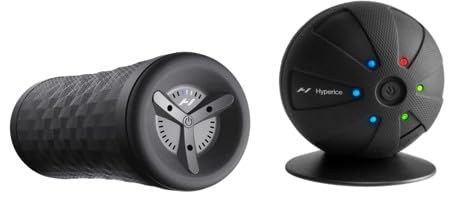
Hyperice Vyper 3.0
The Hyperice Vyper 3.0 combines a high-density foam core with three levels of vibration (up to 4,000 rpm) to enhance blood flow and relax muscles. Its dual-density foam provides a firm feel, while the vibration helps reduce soreness. It is Bluetooth enabled for app control and includes a rechargeable battery.
What owners say: Owners love the vibration feature for pre-workout activation and post-workout recovery, reporting faster relief compared to static rollers. Some find it heavy and expensive, but appreciate the technology.
- Vibration enhances muscle relaxation and blood flow
- App connectivity allows custom routines
- High-density foam offers deep tissue pressure
- Higher price than non-vibrating rollers
- Heavier and less portable (requires charging)
Lululemon Double Roller (Medium Support)
Lululemon's Double Roller offers three density zones (firm, medium, gentle) in one roller, allowing users to choose their pressure. Its large diameter (6.3 inches) provides stability, and the textured surface aids grip. It is lightweight and comes with a carrying strap.
What owners say: Beginners appreciate the graduated density that lets them start softer and progress. Owners also like the large size for stability, but some experienced users wish it was firmer.
- Three density zones in one roller for progressive use
- Large diameter offers stability and less balance required
- Lightweight and comes with a carrying strap
- Less intense than dedicated deep tissue rollers
- Surface may show wear over time with heavy use
MB12 Sports Roller
The MB12 Sports Roller is a high-density, non-toxic foam roller made from EVA. It is firm enough for deep tissue work but has a slight give for comfort. It comes in multiple sizes and includes a digital guide with exercises. It is lightweight and easy to clean.
What owners say: Owners often cite it as a great affordable alternative to name brands, with many noting it holds up well after months of use. Some wish it had more texture for grip.
- Affordable price for high-density foam
- Multiple size options (12 to 36 inches)
- Non-toxic and closed-cell foam resists moisture
- Smoother surface can slip during use
- Less durable than higher-end models over years

Bala Hourglass Foam Roller
The Bala Hourglass Foam Roller is Bala’s actual roller product, sold in a soft-density foam built around a contoured hourglass shape. Based on manufacturer specs and aggregated owner reviews, the shape is designed to sit comfortably along the back and spine during stretching and recovery routines.
Owners typically describe the roller as easy to use for light recovery work and warmups, noting that the softer foam makes it more approachable than firmer, high-density rollers.
- Soft density is gentler on sensitive areas than firm rollers
- hourglass shape is contoured for use along the back and spine
- lightweight and easy to store
- Softer foam may feel too gentle for users who prefer deep-tissue pressure
- less durable over time than high-density rollers
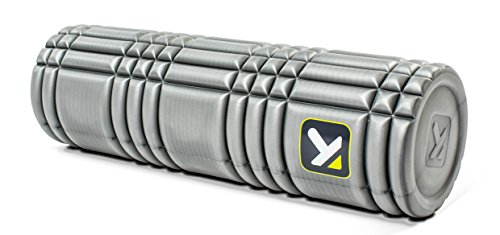
TriggerPoint Core Roller
The TriggerPoint Core Roller is a compact, hollow foam roller with a firm density and dimpled texture for pressure. It is 12 inches long and weighs less than 10 ounces, making it easy to pack. Despite its size, it delivers effective myofascial release and fits in carry-on luggage.
What owners say: Owners love the portability and often bring it to the office or on trips. Some note that the dimpled surface can be uncomfortable on bony areas, but overall it is effective for targeted work.
- Ultra-lightweight and portable
- Hollow core reduces weight further
- Firm density for deep tissue pressure
- Small size not ideal for large muscle groups like back
- Dimples may leave marks on sensitive skin
How to choose
- Density and Firmness. Deep tissue work requires a roller that is firm enough to apply significant pressure. Look for high-density EVA foam or materials with a Shore hardness rating. Softer rollers compress under weight and won't reach deeper muscle layers.
- Surface Texture. Smooth rollers provide general release, while textured surfaces like ridges, knobs, or grids target specific trigger points. For deep tissue, nubby or grid patterns are more effective for breaking up knots.
- Size and Portability. Longer rollers (26-36 inches) are better for full back rolling, while shorter ones (12-18 inches) are portable and good for specific areas. Consider where you'll use it most: home gym, travel, or in the studio.
- Core Type. Hollow core rollers are lighter and more portable, but may be less durable over time. Solid core rollers are typically firmer and more resilient but heavier. Choose based on your need for portability versus longevity.
- Price and Warranty. While we do not mention prices, consider the roller's construction and warranty as indicators of longevity. Higher-end models often have longer warranties and better materials, but there are budget-friendly options that perform well.
Frequently asked questions
How often should I use a foam roller for deep tissue work?
For deep tissue release, you can use a foam roller daily, but limit each muscle group to 2-3 minutes. Overuse can cause bruising or soreness. Listen to your body and adjust frequency based on recovery needs.
Can foam rolling replace a professional massage?
Foam rolling can complement massage therapy but not fully replace it. It is effective for self-myofascial release and maintaining flexibility, but a professional can provide targeted techniques for chronic issues.
What is the difference between a smooth and textured foam roller?
Smooth rollers are best for general warm-ups and gentle stretching. Textured rollers with ridges or knobs are designed for deep tissue work, targeting trigger points and knots more effectively.
How do I clean my foam roller?
Most foam rollers can be wiped down with a damp cloth and mild soap. Avoid submerging in water if it has a hollow core. Closed-cell foam resists moisture, but open-cell foam may absorb sweat and require more frequent cleaning.
Are vibrating foam rollers worth it for deep tissue?
Vibrating rollers can enhance blood flow and reduce muscle soreness post-workout, but the deep tissue effect depends on the foam density. They are a premium option for those who want extra features.
What length foam roller is best for back use?
For full back rolling, a 26 to 36 inch roller is recommended to reach from shoulders to hips. Shorter rollers (12-18 inches) can be used for upper or lower back but require more repositioning.
The verdict
The TriggerPoint GRID Foam Roller is our top pick for its balanced density, durable construction, and grid pattern that effectively mimics manual pressure. For those who need intense trigger point relief, the RumbleRoller Original is a strong alternative with its aggressive nubs. Beginners should consider the Lululemon Double Roller for its adjustable density zones that allow gradual progression into deep tissue work.