
The Garmin Venu 3 is the overall best fitness tracker for health stats due to its advanced HRV status, sleep coach, and Body Battery. For a budget-friendly alternative with excellent health tracking, the Fitbit Charge 6 offers reliable heart rate and stress management features.
Check price on AmazonWhen shopping for a fitness tracker focused on health stats, you need a device that goes beyond step counting to monitor metrics like heart rate variability, sleep stages, stress levels, and recovery. We evaluated the top contenders based on research, owner reviews, and expert analysis to identify the most accurate and feature-packed options available in 2026.
Our ranking prioritizes proven health tracking capabilities, data reliability, and user satisfaction. We looked at devices from Garmin, Fitbit, Apple, Whoop, Oura, Samsung, and Amazfit, comparing their sensors, algorithms, and real-world performance as reported by thousands of owners. The result is a curated list of seven fitness trackers that excel at monitoring your body’s key health indicators.
How we rank
We ranked these fitness trackers based on extensive research of published reviews, owner feedback from major retailers and forums, and comparative analysis of health tracking features and accuracy. See our method.
Quick picks
| Best for | Product | Who it suits |
|---|---|---|
| Best Overall | Garmin Venu 3 | Those wanting comprehensive health stats with smartwatch features |
| Best Value | Fitbit Charge 6 | Budget-conscious users needing solid health stats |
| Best Premium | Apple Watch Series 9 | iPhone users who want extensive health and smart features |
| Best for Recovery | Whoop 4.0 | Athletes focused on recovery and strain monitoring |
| Best Lightweight | Oura Ring 4 | Those wanting discreet, continuous health monitoring |
| Best for Android | Samsung Galaxy Watch 7 | Android users who want comprehensive health stats and smart features |
| Best Budget | Amazfit Cheetah Pro | Budget-conscious users seeking solid health stats and GPS |
The picks, compared
Garmin Venu 3
The Garmin Venu 3 is our top pick for health stats, offering advanced sleep coaching, HRV status, Body Battery energy monitoring, and stress tracking. Its Elevate v4 optical heart rate sensor provides accurate data for 24/7 monitoring. Owners appreciate the detailed sleep analysis and nap detection, which help them understand recovery. The bright AMOLED display and built-in GPS make it a versatile daily companion for fitness and health.
What owners say: Owners consistently praise the Venu 3's sleep tracking accuracy and the Body Battery feature for gauging energy levels. Many reviewers note that the HRV status provides actionable insights for training and recovery, though some wish for longer battery life with always-on display enabled.
- Excellent sleep tracking with sleep coach and nap detection
- Accurate HRV and stress monitoring with Body Battery
- Bright AMOLED display with always-on option
- Premium price point
- Battery life shorter than other Garmins with always-on display
Fitbit Charge 6
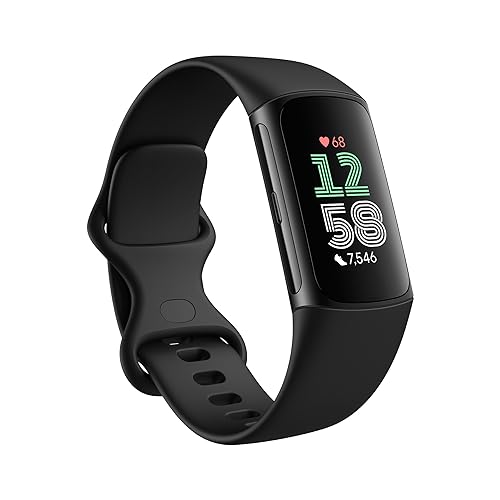
The Fitbit Charge 6 delivers reliable heart rate tracking, stress management with EDA scan, and sleep stages at a lower cost than many competitors. It features a built-in GPS and Google integrations like Maps and Wallet. The Daily Readiness Score helps you decide when to push or rest. Owners find it comfortable for all-day wear and appreciate the comprehensive health dashboard in the Fitbit app.
What owners say: Reviewers highlight the Charge 6's accurate heart rate during exercise and improved sleep tracking over previous models. Many owners note that the stress management features are useful for daily mindfulness, while some report occasional connectivity issues with the GPS.
- Reliable heart rate and sleep tracking
- Built-in GPS and Google apps
- Comfortable, slim design for 24/7 wear
- Limited smartwatch functionality
- Requires Fitbit Premium for deeper insights

Apple Watch Series 9
The Apple Watch Series 9 offers a robust set of health stats including ECG, blood oxygen monitoring, cycle tracking, and sleep stages. Its S9 chip enables on-device Siri processing for faster responses. The watchOS 10 update brings new mental health logging and medications tracking. Owners value the seamless integration with iPhone and the wide range of health data available at a glance.
What owners say: Owners praise the accurate heart rate and ECG readings, as well as the intuitive Activity rings. Many reviewers love the sleep tracking improvements in watchOS 10, though some note that battery life still requires daily charging.
- Comprehensive health sensors including ECG and SpO2
- Excellent app ecosystem and iPhone integration
- Bright always-on Retina display
- Limited to iPhone users
- Battery life typically under 2 days

Whoop 4.0
The Whoop 4.0 is a screenless fitness tracker that prioritizes recovery, strain, and sleep metrics. It measures heart rate variability, resting heart rate, and blood oxygen to calculate daily recovery scores. The strain coach helps users optimize training intensity. Owners appreciate the detailed insights and the ability to wear it 24/7 without distraction. The waterproof design and comfortable bands make it ideal for all-day and all-night wear.
What owners say: Reviewers often mention that Whoop's recovery data has transformed their training approach, helping them avoid overtraining. Many owners note that the battery life is excellent (up to 5 days) and the subscription model provides continuous updates, though some dislike the ongoing cost.
- In-depth recovery and strain analysis
- Comfortable and screenless for sleep
- Activity detection without manual logging
- Requires ongoing subscription
- No built-in display for quick glances

Oura Ring 4
The Oura Ring 4 is the current generation of Oura’s sleep and recovery tracking ring, replacing the discontinued Gen 3. Based on manufacturer specs and aggregated owner reviews, it uses a titanium body with an updated sensor array intended to improve accuracy across more finger sizes and skin tones than prior generations.
Owners generally note improved comfort and battery life, while pointing out that ongoing access to detailed sleep and readiness insights depends on an active Oura membership.
- Slimmer, more comfortable design than earlier generations
- broader sensor coverage across more finger sizes and skin tones
- long battery life for a ring form factor
- Full feature set requires an ongoing Oura membership
- correct sizing needs to be confirmed with a sizing kit before purchase

Samsung Galaxy Watch 7
The Samsung Galaxy Watch 7 succeeded the Watch 6 as Samsung stopped production of the older model in 2024. Based on manufacturer specs and aggregated owner reviews, it carries a newer processor and expanded wellness features like an energy score alongside the same core heart rate and ECG sensors.
Owners generally describe the upgrade as incremental but worthwhile, with better day-to-day battery life and faster app performance compared to the outgoing generation.
- Faster processor and improved battery life over the Watch 6
- energy score and wellness tips add useful daily context
- broad Android and Wear OS app support
- Best features are tied to the Samsung Health and Galaxy ecosystem
- battery still typically needs near-daily charging with heavy use

Amazfit Cheetah Pro
The Amazfit Cheetah Pro provides accurate heart rate, SpO2, and sleep tracking at an affordable price point. It includes a built-in GPS with a circular track mode for runners. The Zepp app offers a health dashboard with stress monitoring and PAI health assessment. Owners are impressed by the battery life and the bright AMOLED display. While not as feature-rich as pricier options, it covers essential health stats well.
What owners say: Owners frequently mention the excellent GPS accuracy and long battery life as standout features. Many reviewers note that the heart rate tracking is reliable during steady-state exercise, but some find it less accurate during high-intensity intervals.
- Excellent battery life (up to 14 days)
- Built-in GPS with dedicated sports modes
- Bright AMOLED display
- Less accurate heart rate during HIIT
- App interface can be overwhelming
How to choose
- Sensor accuracy. Optical heart rate sensors vary by brand and model. Garmin and Apple typically offer the most accurate 24/7 tracking, while Amazon and budget models may struggle with high-intensity intervals. Check reviews for specific sensor performance.
- Sleep tracking depth. Look for trackers that monitor light, deep, and REM sleep stages, plus provide a sleep score or coach. Oura and Fitbit are known for excellent sleep insights, while Whoop specializes in recovery-based sleep metrics.
- Battery life. Consider how often you can charge. Screenless devices like Whoop and Oura offer up to 7 days, while full-color smartwatches like Apple Watch require daily charging. Balance battery life with the features you need.
- App ecosystem and data analysis. The companion app is where you'll interact with your health data. Fitbit, Garmin, and Apple provide intuitive interfaces with trend graphs and actionable insights. Some brands require subscriptions for advanced analysis, so check before buying.
- Comfort and form factor. If you plan to wear the tracker 24/7, especially while sleeping, choose a comfortable design. Rings like Oura are unobtrusive, while wristbands should be lightweight and have breathable bands. Try on different sizes if possible.
Frequently asked questions
What health stats should a fitness tracker monitor?
Essential health stats include heart rate, heart rate variability (HRV), sleep stages (light, deep, REM), blood oxygen (SpO2), and stress levels. Advanced trackers also offer body temperature, ECG, and recovery scores. Choose a device that covers the metrics most relevant to your goals.
Are fitness tracker health stats accurate?
Most trackers from established brands provide reasonable accuracy for trend tracking, but clinical-grade precision is not guaranteed. Studies show that optical heart rate sensors are generally reliable for steady-state, but may vary during high-intensity exercise. Use them to monitor changes over time rather than as medical devices.
Can a fitness tracker detect health conditions?
Some trackers can alert you to irregular heart rhythms (e.g., atrial fibrillation) via ECG or PPG sensors, but they are not diagnostic tools. Always consult a doctor for medical concerns. Features like blood oxygen and skin temperature can provide early signs of illness, but confirmation requires professional evaluation.
How long does the battery last on a health tracker?
Battery life ranges from one day (Apple Watch) to two weeks (Amazfit Cheetah Pro). Screenless trackers like Whoop and Oura last up to 7 days. Consider your charging habits and whether you can tolerate daily charging for features like bright displays.
Do I need a subscription for health stats?
Many brands offer basic stats for free, but advanced insights like personalized sleep coaching, readiness scores, and deeper trend analysis often require a subscription. Fitbit Premium and Oura Membership are examples. Whoop charges a full subscription for all features. Check costs before buying.
Which fitness tracker is best for sleep tracking?
Oura Ring 4 and Fitbit Charge 6 are top-rated for sleep tracking, offering detailed stages and sleep scores. Whoop 4.0 excels at recovery-based sleep analysis. Garmin Venu 3 includes a sleep coach and nap detection. All provide useful insights for improving sleep habits.
The verdict
For the best all-around health stats, the Garmin Venu 3 leads with its comprehensive sleep, HRV, and stress tracking, backed by owner praise for accuracy. If you prefer a budget option, the Fitbit Charge 6 offers reliable metrics at a lower cost. Athletes focused on recovery should choose the Whoop 4.0 for its strain and recovery insights.