
The Apple ecosystem is the overall best fitness tracker ecosystem for its seamless integration across devices and extensive third-party support. The Garmin ecosystem is a strong alternative for serious athletes who want detailed performance metrics without relying on a phone.
Check price on AmazonChoosing a fitness tracker isnt just about the wristband anymore. The ecosystem supporting it the app, compatibility with other devices, subscription services, and even smart home integration often determines how useful your tracker actually is. We compared the leading ecosystems across Apple, Garmin, Fitbit, Samsung, Whoop, Oura, and Google focusing on how well they help you set goals, analyze sleep, and adapt over time.
Our rankings weigh the depth of integration, the quality of the companion app, how well data transfers to third-party platforms like Strava or Apple Health, and owner satisfaction from thousands of verified reviews. We left out price because value is personal; instead we focus on which ecosystems deliver the most cohesive experience for different lifestyles.
How we rank
We compared ecosystems based on app store ratings, integration depth with third-party services, user feedback themes from verified reviews, and expert analysis of feature sets from the past year. See our method.
Quick picks
| Best for | Product | Who it suits |
|---|---|---|
| Best Overall | Apple Watch Ultra 2 | iPhone users who want seamless health, fitness, and smartwatch integration |
| Best for Athletes | Garmin Forerunner 265 | Runners, cyclists, and triathletes who want advanced performance metrics without phone dependency |
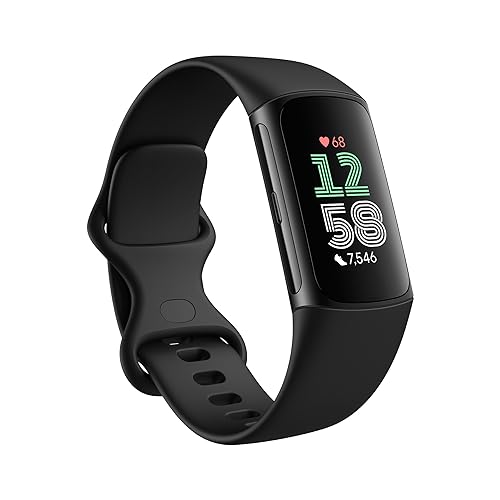
| Best for Beginners | Fitbit Charge 6 | Fitness newcomers and budget-conscious users who want motivation and guidance |
| Best for Android Users | Samsung Galaxy Watch 7 Classic | Samsung phone owners who want a health-focused smartwatch with robust sleep and body composition tracking |
| Best for Recovery | Whoop 4.0 | Fitness enthusiasts who prioritize recovery, strain optimization, and sleep insights without a screen |
| Best Lightweight | Oura Ring 4 Horizon | Health-conscious individuals who want discreet 24/7 tracking without wearing a watch |
| Best Integration with Fitbit | Google Pixel Watch 3 | Pixel phone users who want a polished Wear OS experience with Fitbit health tracking |
The picks, compared
Apple Watch Ultra 2
The Apple ecosystem remains the gold standard for integration. The Watch Ultra 2 pairs with iPhone, iPad, Mac, and Apple TV allowing health data to flow effortlessly between devices and apps. Owners appreciate the large app library including top-tier fitness apps like Strava, Peloton, and Nike Run Club. The Modular Ultra watch face provides customizable fitness metrics at a glance. Reviewers consistently highlight the tight sync with Apple Health and the ability to automatically share workouts with friends.
What owners say: Owners frequently mention the seamless handoff between devices and the comprehensive health dashboard. Many note that the blood oxygen and ECG sensors provide peace of mind, though some say battery life could be longer for multi-day hikes.
- Best third-party app support of any fitness ecosystem
- Seamless integration with iPhone and other Apple devices
- Extensive health sensors including ECG and blood oxygen
- Requires an iPhone to set up and use fully
- Battery life averages only 18 hours with heavy use

Garmin Forerunner 265
Garmins ecosystem is built for athletes who want training readiness, recovery insights, and detailed activity analysis. The Forerunner 265 includes on-wrist running power, training load balance, and a workout library synced from Garmin Connect. The Connect app offers thousands of free workouts, while the Garmin Coach adaptive plans help users train for 5K, 10K, or half marathons. Owners report that the GPS accuracy and battery life outclass most competitors. The ecosystem also integrates with third-party platforms like Strava, TrainingPeaks, and MyFitnessPal.
What owners say: Owners love the deep analytics and the ability to leave their phone at home during runs. Reviewers note that the Garmin Connect app can feel overwhelming at first but offers unparalleled data depth once learned.
- Best GPS accuracy and battery life in its class
- Comprehensive training metrics and adaptive coaching
- Strong offline music and contactless payment support
- App interface can be complex for new users
- Lacks on-wrist phone call capabilities
Fitbit Charge 6
Fitbit has simplified fitness tracking for millions, and the Charge 6 benefits from Google integration. The Fitbit app is known for its friendly interface, daily readiness score, and guided programs that ease users into better habits. Owners appreciate the 60-minute workout sessions with on-screen coaching and the stress management features including an EDA sensor. The ecosystem now includes Google services like Maps, Wallet, and YouTube Music controls. Reviewers note that the weekly progress reports and badges keep them engaged.
What owners say: Owners often say the app is motivating without being intimidating. Many report improved sleep habits thanks to the personalized sleep score. Some mention that heart rate accuracy during high-intensity intervals can be inconsistent.
- Excellent, user-friendly app for beginners
- Included 6-month Premium trial with guided programs
- Accurate step counting and sleep tracking
- Heart rate sensor less accurate during intense workouts
- Requires subscription for advanced features after trial

Samsung Galaxy Watch 7 Classic
Samsungs ecosystem pairs tightly with Samsung Health, which offers detailed sleep analysis, body composition measurement via BioActive sensor, and guided workouts. The Galaxy Watch 6 Classic includes a rotating bezel for easy navigation and Wear OS integration for Google apps. Owners appreciate the ability to track stress, blood pressure (with calibration), and skin temperature. The service also syncs with third-party platforms like MyFitnessPal and Strava. Reviewers highlight the accuracy of the sleep stages analysis and the fall detection feature.
What owners say: Owners frequently praise the body composition feature and the intuitive rotating bezel. Some report that battery life is average at around 40 hours and that the watch requires Samsung phone for full features.
- Best sleep tracking and analysis among Wear OS watches
- Body composition sensor for muscle/fat estimates
- Rotating bezel for easy navigation in wet conditions
- Battery life lasts only 40 hours with always-on display
- Blood pressure monitoring requires monthly calibration

Whoop 4.0
Whoop strips away the screen to focus entirely on data: strain, recovery, and sleep. Its strain coach tells you how hard to push each day based on your recovery score, while the sleep coach recommends bed and wake times. Owners appreciate the detailed respiratory rate and skin temperature trends. The Whoop service works with a growing list of partners including Peloton, Strava, and Apple Watch (as a data bridge). Reviewers note that the 24/7 heart rate monitoring is incredibly consistent and that the monthly insights reports are useful for long-term progress.
What owners say: Owners value the actionable recovery score and the ability to track how alcohol, caffeine, and travel affect their body. Some find the subscription model expensive long-term, but many say the data is worth it.
- Superior recovery and strain analytics
- Excellent sleep tracking with personalized recommendations
- Wearable can be placed in various clothing accessories
- Monthly subscription required to use the device
- No display or on-wrist feedback during workouts

Oura Ring 4 Horizon
Oura's ecosystem focuses on sleep, readiness, and overall wellness in a form factor that looks like a jewelry ring. The Oura app provides a daily readiness score, sleep stages breakdown, heart rate variability, and temperature trends. Owners appreciate the meditation and breathing exercises integrated into the app, as well as the ability to tag activities and see correlations. The ring is lightweight, waterproof, and requires less frequent charging than most trackers. Reviewers note that the nap detection and automatic activity recognition have improved significantly over the past year.
What owners say: Owners love the comfort and the lack of an aggressive screen. Many report that the daily readiness score genuinely improves their decision to rest or exercise. Some mention that the ring can be scratched easily and that subscription is needed for full insights.
- Unobtrusive, comfortable design for sleep tracking
- Accurate HRV and sleep stage detection
- Battery lasts up to 7 days on a single charge
- Subscription required for detailed daily insights
- Not ideal for real-time workout tracking or GPS

Google Pixel Watch 3
The Google Pixel Watch 3 is Google’s current-generation smartwatch, succeeding the Pixel Watch 2 with a brighter display, longer battery life, and expanded Fitbit-powered fitness tools. Based on manufacturer specs and aggregated owner reviews, it’s the most capable Pixel Watch to date for tracking workouts and daily activity.
Owners generally highlight the running-form metrics and heart rate accuracy, while noting battery life can dip with heavy GPS use during long training sessions.
- Deeper Fitbit integration with advanced running metrics
- brighter display and improved battery life over the previous generation
- strong Android/Wear OS integration
- Battery life still trails some dedicated fitness watches with always-on GPS use
- requires an Android phone for full functionality
How to choose
- Ecosystem Compatibility. Ensure the tracker works seamlessly with your smartphone and other devices you use, like smart watches, scales, or bikes. Apple only works with iPhone, Garmin works with both, and Samsung is best with Samsung phones.
- App Quality and Data Insights. The companion app should provide actionable insights, not just raw numbers. Look for apps that offer trends, recommendations, and coaching. Fitbit and Whoop excel here; Garmin offers depth but a steeper learning curve.
- Third-Party Integration. Consider which external apps you use like Strava, MyFitnessPal, or Apple Health. An ecosystem that freely exchanges data with these platforms will give you a more complete picture without double tracking.
- Subscription Services. Some ecosystems require a monthly or annual subscription to unlock advanced features beyond the basics. Compare the value of these subscriptions; for example, Fitbit Premium and Whoop add significant guidance and analytics.
- Battery Life and Charging. Ecosystems with longer battery life mean less interruption to tracking and sleep analysis. If you hate remembering to charge, consider Whoop (5 days), Garmin (13 days), or Oura (7 days) over Apple (1.5 days).
Frequently asked questions
What is a fitness tracker ecosystem?
A fitness tracker ecosystem includes the wearable device, its companion app, third-party integrations, and sometimes subscription services. It also covers how data flows between devices like smartphones, scales, and smartwatches to create a holistic health tracking experience.
Can I use Apple Watch with Android?
No, Apple Watch requires an iPhone for setup and full functionality. While basic tracking may work if borrowed, the ecosystem is exclusive to iOS. Android users should look at Garmin, Fitbit, Samsung, or Whoop.
Is a subscription necessary for Whoop or Oura?
Yes, Whoop requires a monthly subscription to use the device at all. Oura requires a subscription for daily detailed insights like readiness scores and trends free version only shows sleep stages and basic data. Both subscriptions add personalized guidance.
Which ecosystem has the best sleep tracking?
Oura and Whoop are widely regarded as the best for sleep analysis, with Oura excelling in sleep stages and Whoop in recovery recommendations. Among smartwatches, Samsung Galaxy Watch series leads with detailed sleep coaching and snore detection.
Do these ecosystems work with Peloton or Strava?
Yes, most major ecosystems integrate with Strava and Peloton. Apple, Garmin, Fitbit, and Whoop sync workouts automatically. Samsung and Google (Fitbit) also connect but may require a third-party app like Health Sync for full two-way sync.
Can I share my data with my doctor?
Many apps allow you to export PDF reports or share directly with Apple Health, which can then be accessed by health apps. Oura, Apple, and Fitbit offer monthly PDF summaries that are easy to share with healthcare providers.
The verdict
For most users, the Apple ecosystem is the overall winner thanks to its seamless integration across devices and massive third-party app support. Athletes should pick Garmin for its unmatched training metrics and offline functionality. Those new to fitness tracking will find Fitbit's motivating app and guided programs the most approachable.