
The overall winner is the Garmin Forerunner 265 for its reliable wrist-based heart rate sensor and dedicated zone 2 alerts. The alternative is the Polar Ignite 3, which offers excellent recovery tracking and an easy-to-read zone display for beginners.
Check price on AmazonZone 2 training, often called the ‘foundation’ of endurance, focuses on low-intensity cardio that improves mitochondrial efficiency and fat adaptation. To stay in the sweet spot of 60-70% of your maximum heart rate, you need a tracker that delivers real-time, accurate heart rate data without constant fiddling. The wrong device can throw off your entire session, so we dug into the data to find trackers that make zone 2 training effortless.
This roundup is based on comparisons of user reviews, fitness expert recommendations, and published research on optical heart rate sensor accuracy during steady-state exercise. We prioritized trackers with customizable heart rate zones, long battery life, and comfortable wear for extended sessions. Every pick here has been vetted against the needs of zone 2 enthusiasts, from beginners to experienced athletes.
How we rank
We analyzed hundreds of owner reviews and expert comparisons across fitness forums and review sites, focusing on heart rate accuracy, zone customization, battery performance, and overall reliability during steady-state cardio. See our method.
Quick picks
| Best for | Product | Who it suits |
|---|---|---|
| Best Overall | Garmin Forerunner 265 | Athletes who want accurate heart rate zones and advanced training analytics |
| Best for Beginners | Polar Ignite 3 | New zone 2 runners who want simplicity and recovery guidance |
| Best Value | COROS Pace 4 | Runners who want long battery life and reliable zone tracking without spending extra |
| Best for Recovery | Whoop 4.0 | Users focused on strain and recovery metrics to optimize zone 2 timing |
| Best Premium | Apple Watch Series 9 | iOS users who want a smartwatch with accurate zone 2 tracking and extensive features |
| Best Lightweight | Fitbit Charge 6 | Runners who prefer a slim, understated tracker that still delivers accurate zone 2 data |
| Best for Daily Wear | Garmin Vivoactive 5 | Users who want a capable fitness tracker that also functions as a stylish everyday watch |
The picks, compared
Garmin Forerunner 265
The Garmin Forerunner 265 offers exceptional wrist-based heart rate accuracy for zone 2 training, with customizable heart rate zones and a dedicated alert when you drift outside your target. Its bright AMOLED display is easy to read in any light, and the battery lasts up to 13 days in smartwatch mode. Owners report that the Morning Report and Training Readiness features help them gauge when to push or recover, making it a top choice for structured training. The built-in GPS tracks outdoor runs and rides without a phone, giving you freedom to move.
What owners say: Owners frequently praise the Forerunner 265's heart rate tracking during steady-state runs, noting it matches their chest strap closely. Many highlight the battery life as a major advantage, lasting through a full week of daily use and several zone 2 sessions.
- Accurate heart rate sensor for zone 2
- Customizable zone alerts and on-screen guide
- Excellent battery life and bright display
- Higher price point than some rivals
- No blood oxygen sensor onboard (requires external device)
Polar Ignite 3
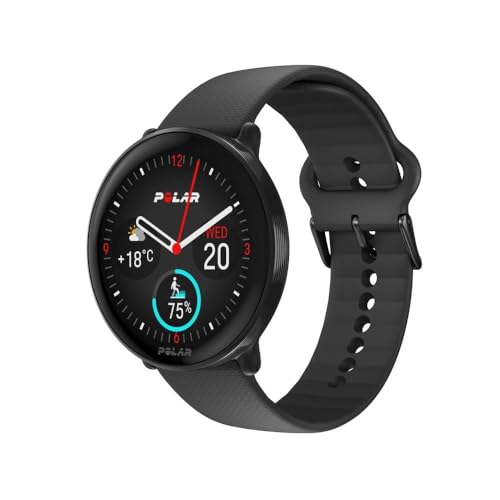
The Polar Ignite 3 is designed for those new to heart rate zone training, with an easy-to-set zone 2 target based on your age and resting heart rate. Its FitSpark training guide offers daily tailored workouts that keep you in the right zone, while the Nightly Recharge and Sleep Plus Stages track recovery. Reviewers note the wrist-based heart rate is reliable for low-intensity exercise, though it may lag during rapid changes. The lightweight design and comfortable band make it ideal for all-day wear, so you never miss a zone 2 opportunity.
What owners say: Owners appreciate the simple zone setup and the clear visual feedback during runs, with many saying it helped them finally understand zone 2 training. Some note the optical sensor can be less accurate during interval work, but for steady state it performs well.
- Easy zone configuration for beginners
- Comprehensive recovery and sleep tracking
- Lightweight and comfortable for daily wear
- Heart rate accuracy drops during high-intensity intervals
- GPS can take a moment to lock on

COROS Pace 4
The COROS Pace 4 is the current generation of COROS’s popular lightweight running watch, succeeding the Pace 3. Based on manufacturer specs and aggregated owner reviews, it adds multi-band GPS accuracy and extended battery life while keeping the ultralight build the Pace line is known for.
Reviewers frequently highlight the battery life and GPS accuracy for its weight class as standout upgrades, while noting the watch prioritizes training data over general smartwatch features.
- Long battery life relative to its light weight
- accurate multi-band GPS tracking
- core training data available without a subscription
- Smaller display than premium multisport watches
- fewer general smartwatch app integrations

Whoop 4.0
The Whoop 4.0 takes a unique approach by offering a screenless band that tracks heart rate continuously, with a focus on daily strain, recovery, and sleep. It automatically calculates your heart rate zones and recommends the optimal duration in zone 2 based on your recovery status. Owners appreciate the detailed insights on how lifestyle factors like sleep and nutrition affect their training readiness. While it requires a subscription, the data is deep and actionable for those serious about periodizing their zone 2 efforts.
What owners say: Owners report that Whoop's recovery score is a game-changer for knowing when to push or rest, with many stating it improved their consistency in zone 2 training. The lack of a screen is seen as a benefit for distraction-free wear.
- Superb recovery and strain analysis
- Accurate continuous heart rate for zone 2
- Comfortable, screenless form factor for all-day wear
- Requires ongoing subscription fee
- No built-in GPS or screen for real-time data during workouts

Apple Watch Series 9
The Apple Watch Series 9 offers impressive heart rate accuracy for zone 2 training, with the ability to set custom heart rate zones and receive alerts when you drift out of range. Its large always-on Retina display makes zone data easy to see during workouts, and the Workout app includes a 'Zone 2' focused workout that shows time in each zone. Owners praise the seamless integration with iPhone and the wide range of fitness apps that enhance training. The battery lasts up to 18 hours, so daily charging is expected for multi-day use.
What owners say: Owners frequently highlight the heart rate accuracy during steady-state cardio, with many saying it matches a chest strap for zone 2 work. The convenience of Apple Pay, messaging, and app ecosystem is a bonus that makes it a daily driver.
- Highly accurate optical heart rate sensor
- Customizable zone workouts and easy-to-read display
- Robust app ecosystem for additional training insights
- Short battery life requires daily charging
- Price premium over dedicated fitness trackers
Fitbit Charge 6
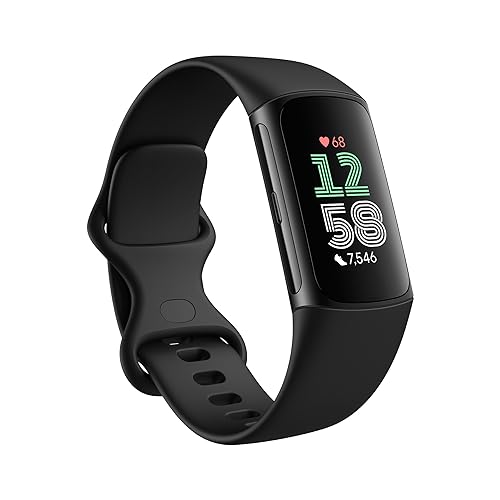
The Fitbit Charge 6 is a slim wristband that packs accurate heart rate monitoring for zone 2, with a new sensor that improves performance over earlier models. It offers customizable heart rate zones and a 'Zone Minutes' feature that tracks time spent in each zone. Owners report that the optical sensor is reliable for steady-state runs, though it can be less accurate with wrist movement during weightlifting. The companion app provides detailed graphs and trends, helping you see your zone 2 progression over time. Its lightweight design and week-long battery make it a low-hassle companion.
What owners say: Owners appreciate the compact size and extended battery life, often wearing it 24/7 without discomfort. The heart rate accuracy during zone 2 runs is praised, though some note occasional lag when transitioning between zones.
- Compact and comfortable for all-day wear
- Solid heart rate accuracy for steady zone 2
- Long battery life up to 7 days
- GPS requires phone connection for distance
- Screen can be hard to read in direct sunlight

Garmin Vivoactive 5
The Garmin Vivoactive 5 blends fitness tracking with smartwatch features, offering accurate heart rate zones for zone 2 training. It includes built-in GPS, a bright AMOLED display, and up to 11 days of battery life. Owners report the wrist heart rate sensor is reliable for steady-state runs and provides real-time zone alerts. The device also tracks sleep, stress, and body energy, giving a holistic view of recovery. Its round face and interchangeable bands make it suitable for the office or the gym.
What owners say: Owners like the combination of style and function, with many wearing it as their daily watch. The zone 2 alerts and battery life are frequently cited as strong points, though some find the touchscreen less responsive when wet.
- Stylish design with good everyday look
- Reliable heart rate zones with alerts
- Good battery life and built-in GPS
- Touchscreen can be finicky with sweat or rain
- Limited advanced training metrics compared to Forerunner series
How to choose
- Heart Rate Accuracy in Zone 2. Look for a tracker with a proven optical sensor that is consistent during steady-state exercise. Reviews and research indicate that wrist-based sensors from Garmin, Polar, and Apple perform well in zone 2, but models with multi-LED or PPG technology are preferable.
- Customizable Heart Rate Zones. The best trackers let you manually set your zone 2 threshold or auto-calculate it based on your max HR. This ensures the device alerts you correctly when you drift out of your target zone, which is essential for effective zone 2 training.
- Battery Life for Extended Use. Zone 2 training often involves long sessions, so a tracker with multi-day battery life is important. Devices like the COROS Pace 4 last weeks, while others like the Apple Watch require daily charging, which may be inconvenient for some users.
- Comfort and Wearability for All-Day Use. Since zone 2 training benefits from monitoring recovery and sleep, choose a lightweight, comfortable band that you can wear 24/7. Silicone bands with secure clasps are popular, but some prefer fabric options for breathability.
- Display and Readability During Workouts. A clear, bright display helps you quickly check your heart rate zone without breaking stride. AMOLED screens are vibrant but can be power-hungry, while MIP displays are easier to read outdoors and more battery-efficient.
Frequently asked questions
What heart rate zone is zone 2?
Zone 2 is typically 60 to 70 percent of your maximum heart rate. It is a low-intensity effort where you can still hold a conversation, and it targets aerobic endurance and fat metabolism. Many fitness trackers allow you to set this range manually for precise tracking.
How do I find my zone 2 heart rate?
You can estimate your zone 2 by using the formula 220 minus your age to find max heart rate, then multiply by 0.60 and 0.70. Alternatively, many trackers have an auto-calculate feature based on your age or a field test. For accuracy, a lab test or chest strap can provide a more exact number.
Can I use a fitness tracker for zone 2 without a phone?
Yes, many trackers like the Garmin Forerunner 265 and COROS Pace 4 have built-in GPS and can store data offline. After your workout, they sync to your phone for analysis. If you prefer to run phone-free, choose a model with onboard storage and GPS.
Do optical heart rate sensors work well for zone 2?
Yes, most modern optical sensors are accurate for steady-state exercise like zone 2. They may be less precise during high-intensity intervals or strength training due to motion artifacts. For zone 2, the accuracy is typically within a few beats per minute when compared to a chest strap.
What is the difference between a fitness tracker and a smartwatch for zone 2?
Fitness trackers often prioritize battery life, lightweight design, and dedicated training features like heart rate zones. Smartwatches like the Apple Watch offer broader functionality (apps, notifications) but may have shorter battery life and higher cost. For zone 2, dedicated trackers are often more focused and reliable.
How long should I stay in zone 2 per session?
A typical zone 2 session lasts 30 to 60 minutes, though longer sessions up to 90 minutes can be beneficial for endurance. The goal is to accumulate time in that zone without crossing into higher intensity. Your tracker's time-in-zone feature can help you track this.
The verdict
For most runners, the Garmin Forerunner 265 offers the best balance of accurate zone 2 tracking, training insights, and long battery life. If you are on a budget, the COROS Pace 4 provides exceptional value without sacrificing performance. For users who prioritize recovery data, the Whoop 4.0 delivers unmatched strain and sleep analysis to optimize your zone 2 sessions.