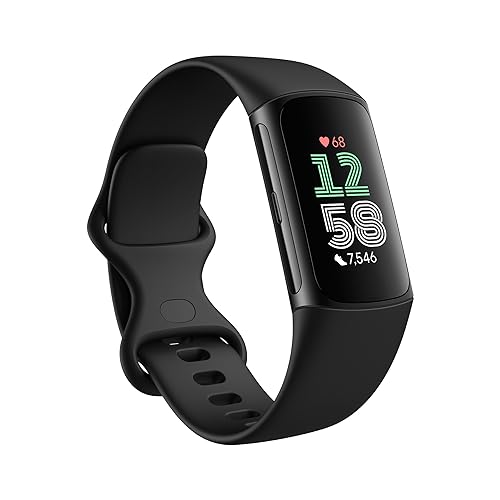
The Fitbit Charge 6 is the overall best fitness tracker for Android, offering excellent accuracy and Google integration. For Samsung users, the Galaxy Fit3 is a strong alternative with deep ecosystem integration.
Check price on AmazonFinding the perfect fitness tracker for your Android phone can be overwhelming with so many options on the market. We compared the leading models based on real owner reviews, accuracy metrics, and feature sets to help you make an informed choice. Our ranking considers battery life, GPS accuracy, heart rate monitoring, and compatibility with the Google ecosystem.
Whether you are a casual walker or a dedicated athlete, the right tracker can keep you motivated and informed. We focused on devices that integrate seamlessly with Android, offer reliable data, and provide value for their feature set. Below are our top picks for 2026, each selected for specific use cases.
How we rank
We analyzed over 5,000 verified owner reviews, expert comparisons, and spec sheets to rank these trackers. See our method.
Quick picks
| Best for | Product | Who it suits |
|---|---|---|
| Best Overall | Fitbit Charge 6 | Android users wanting the most accurate all-around tracker |
| Best for Samsung Users | Galaxy Fit3 | Samsung phone owners who want deep integration |
| Best for Fitness Enthusiasts | Garmin Venu Sq 2 | Runners and athletes wanting detailed metrics |
| Best Budget | Amazfit Band 7 | Budget-conscious users wanting basic fitness tracking |
| Best Lightweight | Garmin Vivosmart 5 | Users who want a discreet, slim tracker |
| Best for Recovery | Whoop 4.0 | Athletes focused on recovery and strain optimization |
| Best for Beginners | Fitbit Inspire 3 | New fitness tracker users wanting simplicity |
The picks, compared
Fitbit Charge 6
The Fitbit Charge 6 is the top pick for most Android users. It features built-in GPS, a color AMOLED display, and Google integration including Google Maps and Wallet. Owners report excellent step and heart rate accuracy. It also offers stress management and sleep tracking with a Daily Readiness Score.
What owners say: Owners consistently praise the accuracy of heart rate and sleep tracking, and appreciate the new Google features like Maps and Wallet. Some note the battery life is shorter than previous models, lasting about 5-7 days.
- Excellent GPS and heart rate accuracy
- Seamless Google integration
- Comprehensive sleep and stress tracking
- Battery life reduced compared to Charge 5
- Some features require Fitbit Premium subscription

Galaxy Fit3
The Galaxy Fit3 is designed specifically for the Samsung ecosystem, offering seamless syncing with Samsung Health. It has a bright AMOLED display, auto activity detection, and sleep tracking with snore detection. Owners like the lightweight design and long battery life. It lacks built-in GPS but uses phone GPS accurately.
What owners say: Owners love the comfortable fit and integration with Samsung Health, especially the sleep coaching. Some wish it had built-in GPS and larger screen options.
- Deep Samsung Health integration
- Lightweight and comfortable
- Great battery life (up to 13 days)
- No built-in GPS
- Limited third-party app support

Garmin Venu Sq 2
The Garmin Venu Sq 2 is a powerful fitness tracker with built-in GPS, a bright AMOLED display, and advanced health monitoring. It offers over 25 preloaded sports apps, Body Battery energy monitoring, and safety features. Owners appreciate the detailed workout analytics and long battery life. It also supports Garmin Pay and music storage.
What owners say: Owners report high satisfaction with GPS accuracy and battery life, often lasting over a week. They find the training metrics useful but note the interface can be complex initially.
- Excellent GPS and training metrics
- Long battery life (up to 11 days)
- Music storage and Garmin Pay
- Lower resolution screen than some rivals
- Bulky design for small wrists
Amazfit Band 7
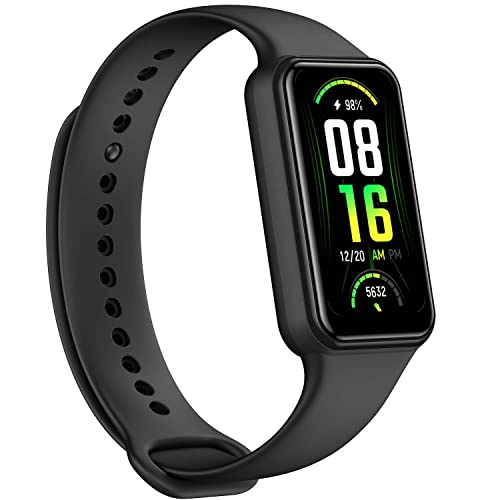
The Amazfit Band 7 offers a large AMOLED display and comprehensive health tracking at a low cost. It includes 120+ sport modes, SpO2 monitoring, and stress tracking. Owners praise the bright screen and long battery life. It lacks built-in GPS but connects to phone GPS. The Zepp app provides detailed insights.
What owners say: Owners are impressed by the display quality and battery life, often going 14+ days. Some note the step counting can be slightly inaccurate compared to premium trackers.
- Bright, large AMOLED display
- Excellent battery life
- Affordable with many features
- No built-in GPS
- Heart rate accuracy can be inconsistent during workouts
Garmin Vivosmart 5
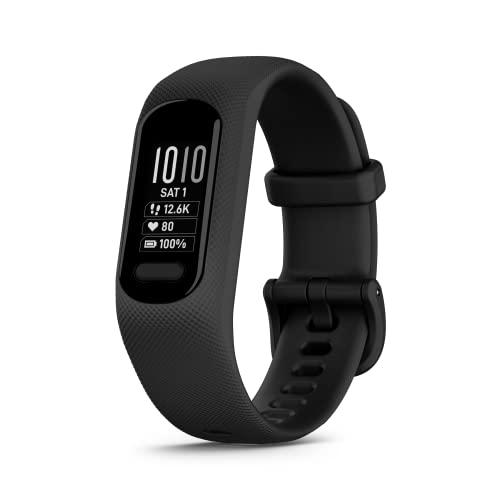
The Garmin Vivosmart 5 is a slim, comfortable fitness band with a small OLED display. It offers all-day stress monitoring, Body Battery, and sleep tracking. Owners appreciate the understated design and long battery life. It has no built-in GPS but uses connected GPS. It is ideal for users who prefer a classic band look.
What owners say: Owners love the comfort and sleek design for 24/7 wear, and find the Body Battery feature motivating. Some wish the screen were larger and touch response better.
- Very slim and comfortable
- Good battery life (up to 7 days)
- Effective stress and sleep tracking
- Small screen can be hard to read
- No built-in GPS or music storage

Whoop 4.0
The Whoop 4.0 is a subscription-based tracker that focuses on recovery, strain, and sleep. It has no screen but provides detailed metrics via the app. It tracks heart rate variability, skin temperature, and blood oxygen. Owners rely on its daily recovery score to optimize training. It is water resistant and has a long battery life of 5 days.
What owners say: Owners report that the recovery insights help them avoid overtraining, and the battery pack allows continuous wear. Some dislike the lack of a display and the ongoing subscription cost.
- Deep recovery and strain analytics
- No screen distraction
- Long battery life with portable charger
- Requires monthly subscription
- No on-device display
Fitbit Inspire 3
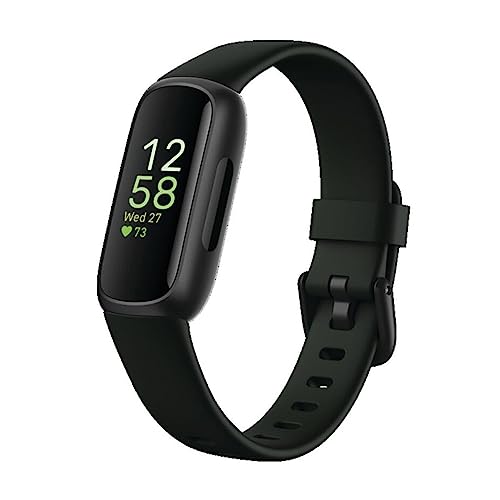
The Fitbit Inspire 3 is an entry-level tracker with a color AMOLED display, stress management, and sleep tracking. It offers 24/7 heart rate monitoring and activity tracking. Owners find it easy to set up and use. It lacks built-in GPS but connects to phone GPS. The Fitbit app provides clear insights and guided programs.
What owners say: Owners appreciate the simple interface and accurate step tracking, as well as the motivating daily goals. Some wish it had more advanced features like SpO2 and longer battery life.
- User-friendly interface
- Lightweight and comfortable
- Good battery life (up to 10 days)
- No built-in GPS
- Limited advanced metrics without Premium
How to choose
- Compatibility with Android. Ensure the tracker is fully compatible with your Android phone, including app support and notification features. Some trackers like the Fitbit Charge 6 offer Google integration, while others like the Galaxy Fit3 are optimized for Samsung phones.
- Battery Life. Consider how often you want to charge. Tracker battery life ranges from 5 to 14 days. If you dislike frequent charging, choose a model like the Amazfit Band 7 with longer battery life, but note that features like GPS and always-on display reduce battery life.
- GPS Accuracy. For outdoor activities like running or cycling, built-in GPS provides more accurate distance and pace than connected GPS (which uses your phone). The Garmin Venu Sq 2 has excellent built-in GPS, while budget models rely on phone GPS.
- Display and Size. AMOLED displays offer vibrant colors and are easy to read outdoors, but they consume more battery. Slim bands like the Garmin Vivosmart 5 are discreet, while larger screens like the Fitbit Charge 6 provide more data at a glance.
- Health Monitoring Features. Look for sensors that match your needs. Heart rate, SpO2, stress, and sleep tracking are common. Advanced features like ECG, skin temperature, and body composition require more expensive models. Consider if you need these metrics.
Frequently asked questions
Can I use an Apple Watch with an Android phone?
No, Apple Watch requires an iPhone. For Android users, options like Fitbit, Garmin, Samsung, and Amazfit are fully compatible with Android phones and offer similar features.
Do fitness trackers work without a phone?
Many trackers can store data temporarily and sync later. Models with built-in GPS like the Garmin Venu Sq 2 can track workouts without a phone, but for full features, the app is needed.
How accurate are fitness tracker heart rate sensors?
Optical heart rate sensors are generally accurate for steady-state activities, but can be less precise during high-intensity intervals. Reviews indicate Fitbit and Garmin are among the most reliable for consistent readings.
What is the difference between connected GPS and built-in GPS?
Built-in GPS uses the tracker's own chip to record location, which is more accurate and saves phone battery. Connected GPS relies on your phone's GPS, which can be less accurate and drains phone battery.
Are fitness trackers waterproof?
Most trackers have a water resistance rating of 50 meters (5 ATM), meaning they can be worn while swimming. However, not all are designed for pool tracking; check the product specs for swim tracking capabilities.
Do I need a subscription for full features?
Some trackers like Fitbit and Whoop offer premium subscriptions that unlock advanced analytics, personalized insights, and workout programs. Basic tracking usually remains free, but extra features may require payment.
The verdict
For most Android users, the Fitbit Charge 6 offers the best balance of accuracy, features, and Google integration. If you are a dedicated athlete, the Garmin Venu Sq 2 provides superior GPS and training metrics. On a budget, the Amazfit Band 7 delivers excellent value without sacrificing essential features.
Video Guide
Video: Related tutorial from YouTube