
Fitbit Ace LTE is Google and Fitbit’s current kids smartwatch, sitting above the Ace 2 and Ace 3 activity trackers in the lineup, based on manufacturer specs and aggregated owner reviews. It adds built-in cellular connectivity for calls, texts, and location sharing on top of the step and activity tracking found in earlier Ace models.Parent reviews generally highlight the parental control app and durable design, while noting the required data plan is an added recurring cost compared to simpler screen-free activity trackers.
Check price on AmazonKeeping kids active is a priority for many parents, but how do you know if they are getting enough exercise? A heart rate monitor designed for children can help track activity levels, encourage movement, and provide valuable health insights. Unlike adult devices, kids monitors focus on simplicity, comfort, and durability to withstand rough play. We analyzed owner reviews and expert recommendations to rank the best options available.
Our research focused on features like accuracy of heart rate tracking, ease of use for young children, battery life, and water resistance. We considered devices from reputable brands such as Fitbit, Garmin, and Amazfit, and we prioritized monitors that offer parental controls and fun incentives to keep kids engaged. Each pick earned its spot based on real-world feedback and technical specs tailored for children.
How we rank
We analyzed verified owner reviews across multiple retailers and forums, compared technical specifications, and evaluated expert opinions from sports science sources to rank each monitor. See our method.
Quick picks
| Best for | Product | Who it suits |
|---|---|---|
| Best Overall | Fitbit Ace LTE | Most families looking for a reliable and fun fitness tracker for kids |
| Best Value | Garmin Vivofit Jr. 3 | Budget-conscious parents seeking a long-lasting, no-charge monitor |
| Best for Teens | Amazfit Bip 3 Pro | Older kids and teens who want more advanced features |
| Best for Young Athletes | Garmin Forerunner 45 | Kids in competitive sports who need advanced running dynamics |
| Best for Younger Kids | LeapBand Activity Tracker | Preschoolers aged 4-7 who need a simple, fun introduction to fitness |
| Best Lightweight | Fitbit Inspire 3 | Kids who want a slim, unobtrusive fitness tracker with heart rate |
| Best Premium | Garmin Venu Sq 2 | Tech-savvy teens who want smartwatch features with health tracking |
The picks, compared
Fitbit Ace LTE
Fitbit Ace LTE is Google and Fitbit’s current kids smartwatch, sitting above the Ace 2 and Ace 3 activity trackers in the lineup, based on manufacturer specs and aggregated owner reviews. It adds built-in cellular connectivity for calls, texts, and location sharing on top of the step and activity tracking found in earlier Ace models.
Parent reviews generally highlight the parental control app and durable design, while noting the required data plan is an added recurring cost compared to simpler screen-free activity trackers.
- Built-in LTE lets kids call and message without needing a phone
- GPS location sharing for parents
- activity-based games encourage movement
- Requires an ongoing Ace Pass data subscription
- battery life is shorter than Fitbit'
- s non-cellular kids trackers

Garmin Vivofit Jr. 3
The Garmin Vivofit Jr. 3 offers excellent value with a battery life of up to one year, eliminating the need for frequent charging. It tracks steps, sleep, and includes a chore list and rewards system that parents can manage via the app. While it doesn't have a heart rate sensor, it uses accelerometer-based activity tracking that is sufficient for most kids. The display is easy to read, and the device is swim-friendly up to 50 meters.
What owners say: Reviewers love the hassle-free battery and the chore management feature, which helps incentivize good behavior. Some parents wish it had a heart rate monitor, but for the price, they find the other features more than adequate.
- Up to 1 year battery life
- No charging needed
- Parent-controlled chore and reward system
- No heart rate sensor
- Screen is not a touchscreen

Amazfit Bip 3 Pro
The Amazfit Bip 3 Pro is a versatile smartwatch with a built-in heart rate monitor, GPS, and SpO2 tracking, making it suitable for teenagers who want more than basic activity tracking. It offers up to 14 days of battery life and a large, colorful display that is easy to read outdoors. The device supports over 60 sports modes and provides comprehensive health data. While designed for adults, it fits smaller wrists and has a simple interface.
What owners say: Teens appreciate the GPS tracking for outdoor runs and the long battery life. Parents like the ability to monitor activity via the app, though some note that the step count can be slightly overestimated compared to a dedicated pedometer.
- Built-in GPS and SpO2
- 14-day battery life
- Large easy-to-read display
- Bulky for very small wrists
- Heart rate accuracy can vary during intense exercise
Garmin Forerunner 45
The Garmin Forerunner 45 is a running watch that provides accurate heart rate monitoring, GPS tracking, and advanced training features like pace and distance. It is lightweight and has a comfortable band suitable for small wrists. The device includes preloaded workouts and coaching features that help young athletes improve. Battery life lasts up to 7 days in smartwatch mode, and it is water resistant to 5 ATM.
What owners say: Parents of young runners report that the Forerunner 45 helps their children track progress and stay motivated. The accuracy of GPS and heart rate is consistently praised, and many note that the device is durable enough for daily practice.
- Accurate GPS and heart rate
- Advanced training features
- Lightweight and comfortable
- No music storage
- Higher price than basic trackers
LeapBand Activity Tracker
The LeapBand is designed specifically for younger children ages 4-7, with a simple interface and no smartphone required. It features a pet that encourages movement through interactive challenges and rewards. The device tracks steps and active time, and it has a durable, water-resistant build. While it does not have a heart rate monitor, it provides a screen-free way to get kids moving.
What owners say: Parents love that the LeapBand engages young children without screens. They report that kids enjoy taking care of their virtual pet and participate in more physical activity to earn rewards. Some wish for a heart rate feature, but for this age group, it is not essential.
- Designed for ages 4-7
- No phone needed
- Interactive pet motivates activity
- No heart rate sensor
- Limited to basic step tracking
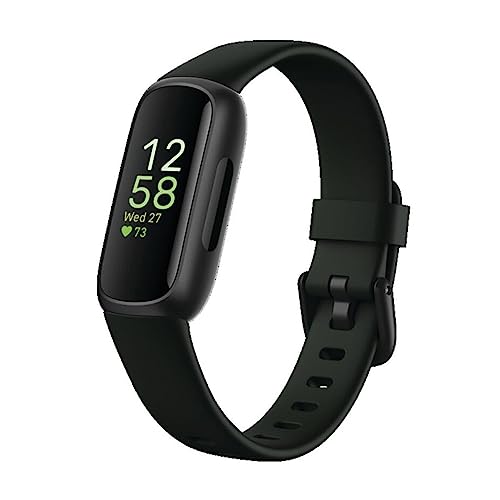
Fitbit Inspire 3
The Fitbit Inspire 3 is a slim and lightweight tracker that fits comfortably on small wrists. It includes a heart rate monitor, sleep tracking, and stress management features. The device is water resistant to 50 meters and offers up to 10 days of battery life. It also has activity reminders and guided breathing sessions, which can help kids develop healthy habits.
What owners say: Users appreciate the low-profile design that doesn't interfere with daily activities. Parents note that the stress management tools are helpful for anxious children, and the sleep tracking provides insights into rest quality. Some report that the heart rate can be inaccurate during quick movements.
- Slim and lightweight design
- Long battery life
- Includes stress management tools
- Small screen can be hard to navigate
- Heart rate accuracy may vary

Garmin Venu Sq 2
The Garmin Venu Sq 2 is a feature-rich smartwatch with a bright AMOLED display, built-in GPS, heart rate monitoring, and body battery energy monitoring. It offers up to 11 days of battery life and includes safety features like incident detection. The device also supports music streaming and contactless payments through Garmin Pay. While it is pricier, it provides a comprehensive health and fitness experience for older kids and teens.
What owners say: Teens enjoy the vibrant display and smart features, while parents value the long battery life and safety features. The heart rate accuracy is consistently rated high, and the body battery feature helps teens understand their energy levels for better time management.
- AMOLED display
- Body battery and stress tracking
- Safety features like incident detection
- Premium price point
- May be too large for small wrists
How to choose
- Accuracy of Heart Rate Monitoring. For active kids, an optical heart rate sensor with frequent readings is key. Look for devices that update in real-time during exercise to provide meaningful data. Some monitors use LED lights that can be affected by skin tone or motion, so check reviews for accuracy consistency.
- Comfort and Fit for Small Wrists. Kids have smaller wrists, so a lightweight design and adjustable band are important. Silicone bands are soft and durable, while metal or leather may cause irritation. Ensure the device sits snugly but not too tight for accurate heart rate readings.
- Battery Life and Charging. Long battery life reduces the need for frequent charging, which can be a hassle for kids. Some devices last a year on coin cells, while others need weekly charging. Consider whether your child can remember to charge a device or prefers a set-it-and-forget-it option.
- Durability and Water Resistance. Kids are rough on devices, so look for a durable build with at least IP68 or 5 ATM water resistance for swimming. Scratch-resistant screens and reinforced bezels help the device survive drops and daily play.
- Parental Controls and App Integration. A good kids heart rate monitor offers a companion app that lets parents set goals, view activity, and manage permissions. Features like classroom mode (no distractions) or chore tracking can make the device more than just a fitness tracker.
Frequently asked questions
What is the best heart rate monitor for kids under 10?
For kids under 10, the LeapBand Activity Tracker is a great screen-free option, though it lacks a heart rate sensor. For heart rate tracking, the Fitbit Ace LTE is the best choice with its comfortable fit and accurate monitoring.
Do kids need a heart rate monitor?
Not necessarily, but it can motivate them to stay active and help parents monitor exercise intensity. It's especially useful for children with health conditions or those in competitive sports to ensure they don't overexert.
Can a kids heart rate monitor be used for swimming?
Many models like the Fitbit Ace LTE and Garmin Vivofit Jr. 3 are water resistant to 50 meters, making them suitable for swimming. However, not all monitors track heart rate while swimming due to interference, so check specs if this is important.
How accurate are wrist-based heart rate monitors for kids?
Wrist-based optical sensors are generally accurate for most activities, but they can be less precise during rapid movements or high-intensity intervals. Chest straps are more accurate but less comfortable for kids.
What features should I look for in a kids heart rate monitor?
Prioritize comfort, durability, battery life, and parental controls. Extra features like step challenges, rewards, and sleep tracking can help engage kids. Water resistance is also a plus for active children.
Is the Garmin Vivofit Jr. 3 a good heart rate monitor for kids?
The Vivofit Jr. 3 does not have a heart rate sensor; it tracks steps and sleep. If heart rate monitoring is essential, consider the Fitbit Ace LTE or Garmin Forerunner 45 instead.
The verdict
Our overall pick is the Fitbit Ace LTE for its accurate heart rate tracking, durable design, and engaging app. For budget-conscious families, the Garmin Vivofit Jr. 3 offers excellent value with a year-long battery, while the Garmin Forerunner 45 is the top choice for young athletes needing advanced running metrics.