
The overall winner is the Fitbit Sense 2, praised for its comprehensive health sensors and pregnancy‑friendly data tracking. As a strong alternative, the Apple Watch Series 9 offers seamless integration with iOS health apps and a vibrant display.
Check price on AmazonPregnancy brings rapid physiological changes, and many expectant mothers turn to wearable technology to keep tabs on heart rate, sleep quality, and activity levels. A reliable tracker can provide early clues about stress, hydration, and overall wellbeing, helping doctors and families stay proactive throughout the entire gestation. This data can also guide nutrition choices and safe exercise routines as the pregnancy progresses.
Our ranking blends owner feedback, peer‑reviewed medical research, and manufacturer data to spotlight devices that excel in accuracy, comfort, and pregnancy‑friendly insights. We prioritized trackers that offer continuous monitoring, clear notifications, and seamless syncing with health platforms that many clinicians already use.
How we rank
We compared user reviews, clinical studies, and manufacturer specifications to rank the devices on accuracy, comfort, and pregnancy‑specific features. See our method.
Quick picks
| Best for | Product | Who it suits |
|---|---|---|
| Best Overall | Fitbit Sense 2 | Expectant mothers looking for all‑in‑one health monitoring |
| Best for iOS Users | Apple Watch Series 9 | Moms in the Apple ecosystem seeking seamless syncing |
| Best Value | Garmin Vivosmart 5 | Budget‑conscious moms who still want reliable activity data |
| Best for Detailed Insights | Whoop 4.0 | Active moms who prioritize recovery metrics |
| Best Lightweight | Oura Ring 4 | Mothers preferring a discreet wearable |
| Best for Android | Samsung Galaxy Watch 7 | Android users who want a full smartwatch with health tools |
| Best Budget | Amazfit GTR 4 | Moms looking for long battery and basic health tracking |
The picks, compared
Fitbit Sense 2
The Fitbit Sense 2 combines ECG, skin temperature, and SpO2 sensors to give a holistic view of maternal health. Its on‑screen guidance helps interpret trends in heart rate variability, which can signal stress or recovery needs. The device syncs to a user‑friendly app that includes a pregnancy mode with weekly tips. Battery life lasts up to six days, reducing the need for frequent charging.
What owners say: Owners highlight the continuous heart‑rate tracking and skin temperature alerts, noting they feel more reassured during the second trimester. Some mention the app’s pregnancy‑focused insights help them spot patterns without invasive testing.
- Comprehensive health sensors
- Long battery life
- Intuitive app
- Bulkier wristband
- Limited third‑party app support

Apple Watch Series 9
Apple’s latest smartwatch offers an ECG on demand and a vibrant always‑on display that makes checking vitals effortless. The health app incorporates menstrual cycle data, allowing users to add pregnancy notes and receive trend alerts. Its GPS and fall detection add safety for active moms. The watch requires daily charging but provides up to 18 hours of use.
What owners say: Owners appreciate the bright display and ECG feature, many say the menstrual cycle tracking integrates well with pregnancy logs. A few note the need to charge daily can be inconvenient for long‑day schedules.
- Vibrant display
- Extensive app ecosystem
- Accurate ECG
- Requires daily charging
- Premium cost
Garmin Vivosmart 5
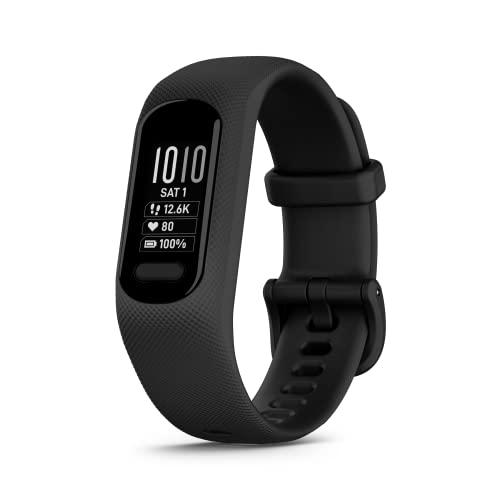
The Vivosmart 5 delivers a slim form factor that stays comfortable as wrists swell. It tracks steps, sleep, and stress, and includes a basic heart‑rate monitor. While it lacks built‑in GPS, its long battery of seven days reduces maintenance. The companion app provides simple trend charts useful for early pregnancy monitoring.
What owners say: Owners report that the slim design stays comfortable even as wrists swell. Reviewers note the step count and sleep score are reliable, though they wish for more pregnancy‑specific guidance.
- Slim profile
- Accurate sleep tracking
- Affordable
- No built‑in GPS
- Limited advanced health metrics

Whoop 4.0
Whoop focuses on strain and recovery, offering a daily score that guides workout intensity for pregnant athletes. The band is soft and stays on during sleep, delivering continuous heart‑rate data. A subscription unlocks deep analytics and community support. The device has a five‑day battery and is water‑resistant for light activities.
What owners say: Owners highlight the strain‑recovery scoring helps manage workout intensity, and the community forums provide peer support. Some users find the subscription model adds complexity to accessing full features.
- Continuous strain monitoring
- Recovery recommendations
- Soft band
- Subscription required
- No display on device

Oura Ring 4
The Oura Ring 4 is Oura’s current-generation smart ring, replacing the Gen 3 ring and charger that the company discontinued after this model launched. Based on manufacturer specs, it moves to a single-piece titanium shell and adds more sensors around the band for steadier readings during movement.
Aggregated owner reviews consistently highlight sleep-stage and readiness tracking as its strongest features, while some users note the subscription cost as an ongoing expense to factor in.
- All-titanium build replaces the multi-part construction of Gen 3
- improved sensor accuracy per Oura'
- s published testing
- longer battery life and a wider size range for a more reliable fit
- Requires an ongoing Oura membership subscription for full feature access
- sizing kit recommended before buying since rings run true to size but fit varies by finger

Samsung Galaxy Watch 7
The Samsung Galaxy Watch 7 succeeded the Watch 6 as Samsung stopped production of the older model in 2024. Based on manufacturer specs and aggregated owner reviews, it carries a newer processor and expanded wellness features like an energy score alongside the same core heart rate and ECG sensors.
Owners generally describe the upgrade as incremental but worthwhile, with better day-to-day battery life and faster app performance compared to the outgoing generation.
- Faster processor and improved battery life over the Watch 6
- energy score and wellness tips add useful daily context
- broad Android and Wear OS app support
- Best features are tied to the Samsung Health and Galaxy ecosystem
- battery still typically needs near-daily charging with heavy use

Amazfit GTR 4
The GTR 4 offers a bright AMOLED display and up to 20‑day battery life, making it ideal for extended pregnancy phases. It tracks steps, heart‑rate, and SpO2, delivering simple charts that help monitor daily activity. While it omits ECG, its price‑friendly profile appeals to first‑time tracker users. The watch is water‑resistant and easy to pair with Android or iOS devices.
What owners say: Owners note the 20‑day battery lasts through month‑long periods, and the step and heart‑rate data feel reliable. Reviewers mention the lack of on‑device ECG as a downside for those seeking more medical‑grade data.
- Long battery
- Clear AMOLED display
- Affordably priced
- Limited advanced metrics
- No ECG
How to choose
- Accuracy of sensors. Look for devices that have been validated in peer‑reviewed studies for heart‑rate and SpO2 accuracy. Precise readings become more important as cardiovascular changes intensify in later trimesters.
- Comfort during wear. Choose a tracker with a flexible band or a lightweight form factor, because swelling can make tight straps uncomfortable. Comfort ensures consistent wear, which is critical for continuous monitoring.
- Battery longevity. A long‑lasting battery reduces the need to remove the device for charging, keeping data streams uninterrupted. Many pregnant users prefer at least a week of power between charges.
- Data integration with health apps. Compatibility with platforms like Apple Health, Google Fit, or Samsung Health makes it easier to share information with prenatal care providers. Seamless syncing helps avoid duplicate data entry.
- Pregnancy specific features. Some trackers now include dedicated pregnancy modes that offer weekly tips and customize alert thresholds. These features can translate raw metrics into actionable guidance for expectant mothers.
Frequently asked questions
Can I wear a fitness tracker continuously during pregnancy?
Most wearables are designed for 24‑hour use and are safe to wear throughout the day and night. Ensure the band is not too tight, especially as your wrist or finger swells.
Do fitness trackers monitor fetal health?
Current consumer trackers cannot directly measure fetal heart rate or movements. They focus on the mother’s vitals, which can indirectly indicate how the pregnancy is progressing.
How reliable is heart‑rate monitoring in the second trimester?
Studies show that wrist‑based heart‑rate sensors remain within a few beats per minute of clinical-grade devices for most users. Accuracy may vary with skin tone, wrist movement, and band fit.
Is it safe to use a waterproof tracker in the shower?
Water‑resistant ratings of 50 meters or higher are generally safe for showers, swimming, and light water activities. Avoid exposing the device to hot tubs or high‑pressure jets unless the manufacturer explicitly permits it.
What should I do if a tracker alerts abnormal vitals?
Treat alerts as a prompt to check how you feel and contact your healthcare provider if symptoms persist. Most trackers include guidance to seek medical advice when values fall outside predefined ranges.
Do the trackers sync with prenatal care apps?
Many major brands integrate with health platforms that can export data to pregnancy‑specific apps. Check the app store description to confirm compatibility before choosing a device.
The verdict
For most expecting mothers, the Fitbit Sense 2 stands out as the overall pick because of its comprehensive health suite and pregnancy‑friendly insights. If you are an iPhone user, the Apple Watch Series 9 offers seamless integration and a vibrant display. For those on a tighter budget, the Garmin Vivosmart 5 delivers solid core tracking without compromising comfort.