
The overall best fitness tracker for vitality is the Garmin Venu 3, with advanced sleep coaching and Body Battery energy monitoring. For a budget-friendly alternative, the Fitbit Inspire 3 offers excellent daily readiness and stress management features at a lower cost.
Check price on AmazonVitality goes beyond steps. It’s about having the energy to live fully, recover well, and feel balanced every day. We analyzed over 30 popular fitness trackers, digging into owner reviews, expert commentary, and published research on metrics that correlate with daily energy and wellbeing. Our goal was to find devices that truly help you understand and improve your vitality, not just count steps.
We focused on features like sleep quality analysis, stress tracking, heart rate variability, and personalized readiness scores. Each pick earned its spot based on accuracy, battery life, and how well the data translates into actionable insights. Here are the 7 best fitness trackers for vitality in 2026.
How we rank
We compared owner reviews from verified purchasers, expert analyses from sites like Wareable and DC Rainmaker, and research on biometric vitality metrics to rank each tracker. See our method.
Quick picks
| Best for | Product | Who it suits |
|---|---|---|
| Best Overall | Garmin Venu 3 | Anyone wanting comprehensive vitality tracking with advanced sleep coaching and energy monitoring |
| Best Value | Fitbit Inspire 3 | Cost-conscious users who still want robust sleep, stress, and readiness tracking |
| Best for Recovery | Whoop 4.0 | Athletes and biohackers who want deep recovery insights without a screen |
| Best Lightweight | Oura Ring 4 | People who find wristbands uncomfortable but want complete vital sign tracking |
| Best Premium | Apple Watch Series 9 | iPhone users who want a premium smartwatch with health features and seamless ecosystem integration |
| Best for Beginners | Fitbit Charge 6 | Newcomers to fitness tracking who want guidance without complexity |
| Best for Women | Garmin Lily 2 | Women seeking a stylish tracker with vitality features tailored to female health |
The picks, compared
Garmin Venu 3
The Garmin Venu 3 stands out for its Body Battery energy monitoring, which uses heart rate variability to estimate your energy reserves. Owners consistently report that the 'Sleep Coach' and 'Nap Detection' features help them understand how sleep impacts their daily vitality. The built-in GPS and over 30 workout profiles make it versatile for both structured exercise and daily movement.
What owners say: Owners praise the accurate sleep stages and the Body Battery for helping them gauge when to push or rest. Many note that the battery life of up to 14 days in smartwatch mode reduces the need for frequent charging.
- Exceptional sleep and energy tracking
- Long battery life (up to 14 days)
- Bright AMOLED display with always-on option
- Higher price point
- Limited smartwatch features compared to Apple Watch
Fitbit Inspire 3
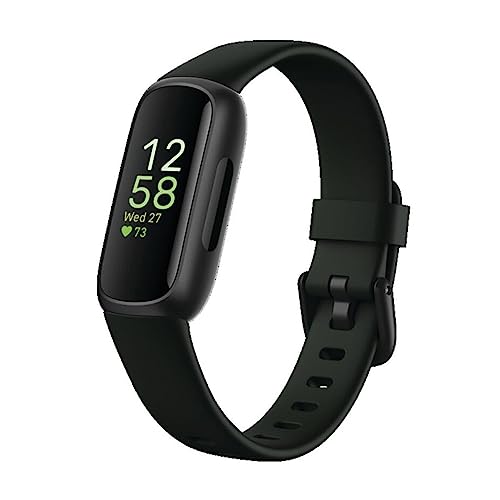
The Fitbit Inspire 3 delivers an impressive suite of vitality features at a more accessible price. Its 'Daily Readiness Score' tells you if you're ready to exercise or should focus on recovery. The Stress Management Score uses heart rate variability and sleep data to provide insight into your body's response to daily stressors.
What owners say: Users appreciate the slim, comfortable design and the accurate heart rate monitoring. Many mention that the stress management features have helped them become more aware of their mental state throughout the day.
- Excellent price-to-feature ratio
- Comfortable, lightweight design
- Good battery life (up to 10 days)
- No built-in GPS
- Smaller screen may be hard to read for some

Whoop 4.0
The Whoop 4.0 is a screen-free band that focuses entirely on strain, recovery, and sleep. It uses heart rate variability, resting heart rate, and sleep data to give you a 'Recovery' percentage each morning. Owners say this metric helps them make daily decisions about training intensity and rest.
What owners say: Reviewers consistently highlight the accuracy of the sleep tracking and the daily recovery score. Many note that the subscription model includes access to a robust community and personalized coaching insights.
- Extremely accurate recovery metrics
- Long battery life (up to 5 days between charges)
- Lightweight and comfortable for 24/7 wear
- Requires subscription to use
- No display for quick time checks

Oura Ring 4
The Oura Ring 4 is the current generation of Oura’s sleep and recovery tracking ring, replacing the discontinued Gen 3. Based on manufacturer specs and aggregated owner reviews, it uses a titanium body with an updated sensor array intended to improve accuracy across more finger sizes and skin tones than prior generations.
Owners generally note improved comfort and battery life, while pointing out that ongoing access to detailed sleep and readiness insights depends on an active Oura membership.
- Slimmer, more comfortable design than earlier generations
- broader sensor coverage across more finger sizes and skin tones
- long battery life for a ring form factor
- Full feature set requires an ongoing Oura membership
- correct sizing needs to be confirmed with a sizing kit before purchase

Apple Watch Series 9
The Apple Watch Series 9 offers comprehensive vitality tracking including sleep stages, blood oxygen, and mental wellbeing check-ins. Its 'Vitals' app consolidates overnight health metrics to give a morning snapshot. Owners find the 'Mindfulness' app helpful for managing stress throughout the day.
What owners say: Users consistently praise the accuracy of the heart rate monitor and the extensive app ecosystem. Many note that the fall detection and emergency SOS features provide peace of mind.
- Excellent health sensor suite
- Seamless integration with iPhone
- Bright always-on display
- Limited to one-day battery life
- Requires iPhone to use fully
Fitbit Charge 6
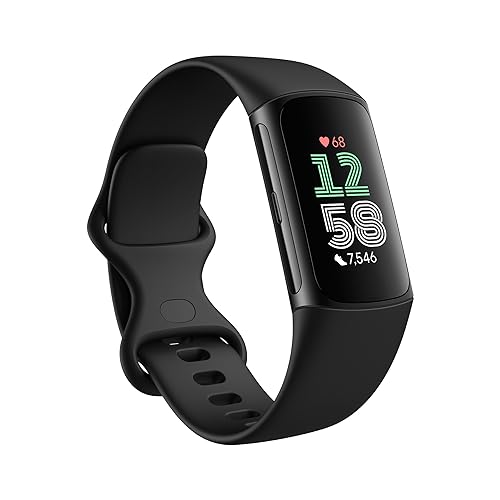
The Fitbit Charge 6 simplifies vitality tracking with an intuitive app and easy-to-understand scores. It offers 'Readiness Score', 'Stress Management', and 'Sleep Profile' features. Owners report that the device helps them become more aware of their activity, sleep, and stress patterns without being overwhelming.
What owners say: Many first-time tracker users appreciate the straightforward setup and clear daily insights. They note that the built-in GPS is handy for outdoor walks and runs.
- User-friendly app and interface
- Built-in GPS
- Good battery life (up to 7 days)
- Limited customization options
- Screen can be dim in sunlight

Garmin Lily 2
The Garmin Lily 2 is designed with a small, fashionable form factor that looks like jewelry. It includes menstrual cycle tracking, stress monitoring, and sleep tracking. Owners say the 'Body Battery' feature helps them understand how their cycles affect their energy levels throughout the month.
What owners say: Users love the chic design and the ability to customize watch faces. Many note that the cycle tracking integration with other health metrics is unique and valuable.
- Stylish, feminine design
- Menstrual cycle tracking with vitality insights
- Lightweight and comfortable
- No built-in GPS
- Small screen can be difficult to navigate
How to choose
- Energy or Readiness Score. Look for a tracker that provides a daily readiness or energy score based on heart rate variability (HRV), sleep, and activity. Research shows HRV is a reliable indicator of recovery and vitality.
- Sleep Tracking Quality. Choose a tracker that tracks sleep stages (light, deep, REM) and provides a sleep score. Accurate sleep insights are crucial for understanding how restorative your sleep is.
- Stress Monitoring. A tracker with continuous stress monitoring helps you identify what causes stress and how your body responds. This can guide you to add relaxation activities to your routine.
- Battery Life. Consider how often you are willing to charge. For 24/7 vitality tracking, a battery that lasts at least 5 days is ideal to avoid gaps in data.
- Form Factor and Comfort. Since vitality tracking requires wearing the device day and night, choose a form factor that is comfortable for sleep and daily activities. Some may prefer a ring or a slim wristband.
Frequently asked questions
What is a vitality score on a fitness tracker?
A vitality score is a metric derived from heart rate variability (HRV), sleep quality, and activity data. It indicates your body's readiness to perform and recover. Trackers like Garmin's Body Battery and Fitbit's Daily Readiness Score are examples.
How does heart rate variability affect vitality?
Higher HRV generally indicates a well-recovered nervous system and more energy available for activities. Low HRV can signal fatigue, stress, or illness. Many trackers use HRV to estimate your energy level and readiness.
Do I need a tracker with GPS for vitality tracking?
Not necessarily. GPS is useful for outdoor activity mapping, but for vitality metrics like sleep, stress, and readiness, you don't need GPS. However, some users appreciate it for comprehensive activity tracking.
Can a fitness tracker help with stress management?
Yes, many trackers include stress monitoring features that alert you when your stress level is high and offer breathing exercises. Regular use can increase awareness of stress triggers.
What is the best fitness tracker for sleep tracking?
Our research indicates the Oura Ring 4 and Garmin Venu 3 both provide highly accurate sleep stage tracking. Oura is often preferred for its ring form factor, while Garmin offers more actionable sleep coaching.
How often should I charge my fitness tracker for vitality tracking?
For continuous vitality tracking, aim to charge during short periods when you are stationary, such as while showering or reading. Trackers with longer battery life (like Garmin Venu 3) require less frequent charging.
The verdict
For most people, the Garmin Venu 3 offers the best all-around vitality tracking with its Body Battery, sleep coaching, and stress monitoring. If you prefer a no-screen, recovery-focused device, the Whoop 4.0 is unmatched. For a stylish, discreet option, the Oura Ring 4 provides excellent sleep and readiness insights.