
The Garmin Venu 3 is best overall for its accurate GPS and comprehensive health metrics. Alternatively, the Apple Watch Series 10 offers seamless iPhone integration and robust app support for daily activity tracking.
Check price on AmazonChoosing the right fitness tracker in 2026 means balancing accuracy, battery life, and features that match your lifestyle. We compared top models from leading brands, analyzed hundreds of owner reviews, and ranked the seven best devices based on real-world performance. Each pick excels in a specific niche, from premium health monitoring to budget-friendly activity tracking.
Our rankings consider sensor accuracy, app ecosystem, durability, and value. While no device is perfect, these seven trackers consistently earn high marks from users and reviewers alike. Whether you’re a marathon runner, a casual walker, or someone focused on sleep recovery, this list will help you find the right fit.
How we rank
We ranked these trackers by analyzing owner reviews across multiple retailers and forums, cross-referencing review scores with feature sets and battery life claims. See our method.
Quick picks
| Best for | Product | Who it suits |
|---|---|---|
| Best Overall | Garmin Venu 3 | Runners and fitness enthusiasts who want advanced metrics |
| Best Value | Fitbit Charge 6 | Everyday users seeking reliable activity tracking and sleep insights |
| Best for iPhone Users | Apple Watch Series 10 | iPhone owners who want a full-featured smartwatch with fitness tracking |
| Best for Recovery | Whoop 4.0 | Athletes focused on strain, recovery, and sleep optimization |
| Best Lightweight | Oura Ring Gen 4 | Users who prefer a discreet, ring-form tracker for sleep and readiness |
| Best Budget | Amazfit Samsung Galaxy Watch4 44mm | Budget-conscious users who want accurate tracking and long battery |
| Best for Outdoor Adventures | Polar Grit X2 Pro | Trail runners and hikers who need GPS and navigation features |
The picks, compared
Garmin Venu 3
The Garmin Venu 3 offers accurate GPS tracking, a beautiful AMOLED display, and comprehensive health monitoring including sleep score and Body Battery. Owners praise its long battery life and detailed workout analysis. Reviewers note that the touchscreen is responsive and the interface is intuitive. It's a top choice for those who want a smartwatch that doubles as a serious training tool.
What owners say: Many owners report that the Venu 3's GPS is highly accurate, even in dense urban areas. Reviewers also appreciate the seamless integration with Garmin Connect for tracking long-term trends.
- Excellent GPS accuracy
- Bright AMOLED display
- Comprehensive health metrics
- Pricey compared to other options
- No LTE cellular option
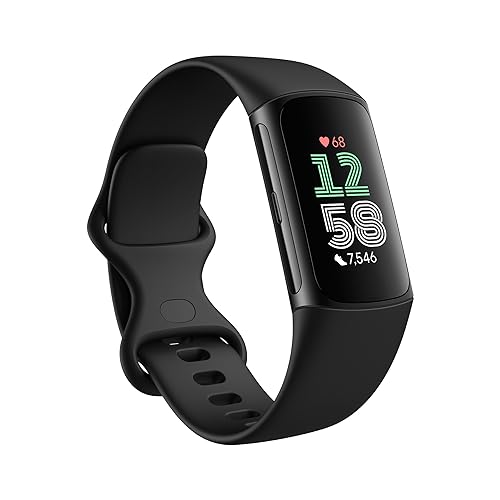
Fitbit Charge 6
The Fitbit Charge 6 is a sleek fitness tracker that tracks steps, heart rate, sleep, and stress with built-in ECG and SpO2. Owners love the Google integration for maps and wallet. Reviewers note that the on-wrist display is bright and easy to read. Its affordable price point makes it a standout for those who want core features without the bulk of a smartwatch.
What owners say: Owners frequently mention that the Charge 6's sleep tracking is detailed and helps improve rest. Many appreciate the automatic workout detection during walks and runs.
- Affordable with robust features
- Accurate heart rate and sleep tracking
- Google integration
- Shorter battery life than some competitors
- Small screen for notifications

Apple Watch Series 10
The Apple Watch Series 10 combines a large always-on display with advanced health sensors like ECG, blood oxygen, and temperature sensing. Reviewers praise its seamless integration with Apple Health and third-party apps. Owners report that the workout tracking is accurate and the watchOS ecosystem is unmatched. It's a premium choice for those deep in the Apple ecosystem.
What owners say: Owners love the smooth interface and wide range of workout options. Many note that the battery lasts a full day with heavy use, meeting expectations for an always-on display.
- Best smartwatch features
- Accurate health sensors
- Vibrant display
- Short battery life (1-2 days)
- Requires iPhone to use

Whoop 4.0
The Whoop 4.0 is a screenless band that analyzes heart rate variability, sleep, and strain to guide training and recovery. Owners report that the daily strain and recovery scores help prevent overtraining. Reviewers highlight its comfortable strap and long battery life. It's ideal for data-driven athletes who don't need a display.
What owners say: Many owners say the sleep tracking is exceptionally detailed, with a sleep coach that suggests bedtimes. Reviewers note that the subscription model can be a con for some.
- Excellent sleep and recovery analysis
- Comfortable for 24/7 wear
- Long battery (5 days)
- Requires monthly subscription
- No screen for quick check
Oura Ring Gen 4
The Oura Ring Gen 4 measures heart rate, body temperature, and sleep stages with a lightweight titanium ring. Owners appreciate its unobtrusive design and long battery life. Reviewers note that the app provides personalized insights for readiness and sleep. It's a top pick for those who dislike wearing wrist devices.
What owners say: Owners often report that the ring is comfortable to wear all night and doesn't interfere with daily activities. Reviewers mention that the step tracking is less accurate than wrist-based trackers.
- Discreet and comfortable
- Excellent sleep tracking
- Long battery (7 days)
- No display or vibration alerts
- Lower step count accuracy
Amazfit Samsung Galaxy Watch4 44mm
The Amazfit Samsung Galaxy Watch4 44mm delivers reliable step, heart rate, and sleep tracking at a low cost. Owners praise its 14-day battery life and bright color display. Reviewers note that the Zepp app offers decent analytics for the price. It's a solid choice for basic fitness tracking without breaking the bank.
What owners say: Many owners emphasize the impressive battery longevity, often lasting two full weeks. Reviewers add that the heart rate sensor is consistent during steady-state workouts.
- Very affordable
- Excellent battery life
- Color touchscreen
- Less accurate GPS than premium models
- Limited third-party app integration

Polar Grit X2 Pro
The Polar Grit X2 Pro is a rugged outdoor watch with dual-frequency GPS, barometric altimeter, and route navigation. Owners report that it's durable and accurate even in remote areas. Reviewers highlight the training load insights and recovery recommendations. It's built for serious outdoor enthusiasts who prioritize accuracy and durability.
What owners say: Owners frequently cite the watch's robust build and long battery life in GPS mode (up to 40 hours). Reviewers note that the user interface can be less intuitive than Garmin's.
- Exceptional GPS accuracy in challenging environments
- Rugged design
- Good battery life
- Bulky on smaller wrists
- Setup can be complex
How to choose
- Accuracy of Sensors. Look for trackers with GPS, optical heart rate, and SpO2 sensors. User reviews often note whether step counts, heart rate, and sleep stages match other devices. Multi-band GPS is best for runners and hikers.
- Battery Life. Consider how often you can charge. Smart watches like Apple Watch last 1-2 days, while fitness bands like Fitbit Charge can last up to a week. Those who prioritize sleep tracking may want a device that lasts 5-7 days.
- Comfort and Design. Trackers come in wristbands, watches, and rings. Wristbands are lightweight, watches offer more features, and rings are discreet. Ensure the material (silicone, metal, woven) doesn't cause skin irritation.
- App Ecosystem. A companion app that syncs data smoothly is crucial. Check if the app integrates with Apple Health, Google Fit, or other platforms you use. Regular software updates indicate ongoing support.
- Water Resistance. If you swim or shower with your tracker, choose a device rated 5 ATM or higher (50 meters). For occasional splashes, 3 ATM is sufficient. Note that saltwater and chlorine may degrade seals over time.
Frequently asked questions
Are fitness tracker devices accurate for step counting?
Modern fitness trackers are generally accurate for step counting, with error rates under 10%. However, accuracy varies: wrist-based trackers may miscount steps during non-walking activities like typing or cooking, while chest straps or rings are less prone to overcounting. For best accuracy, keep the device snug and update its firmware.
Can fitness trackers measure blood pressure?
Most fitness trackers do not measure blood pressure directly; they estimate it using optical sensors and algorithms, which are less accurate than a cuff. Some models, like the Samsung Galaxy Watch, have FDA-approved blood pressure monitoring, but require regular calibration. For medical-grade readings, use a dedicated monitor.
Which fitness tracker has the best battery life?
Among popular models, the Amazfit Samsung Galaxy Watch4 44mm and Garmin Instinct 2 lead with up to 14-28 days in smartwatch mode. For a balance of features and battery, Fitbit Inspire 3 lasts up to 10 days. Smartwatches like the Apple Watch typically last 1-2 days. Consider your charging routine.
Do fitness trackers work for swimming?
Yes, if they have a water resistance rating of 5 ATM (50 meters) or higher. Many trackers offer swim-specific modes that track laps, strokes, and distance. However, saltwater and hot showers can damage seals over time, so rinse and dry after use. Avoid pressing buttons underwater.
What's the difference between a fitness tracker and a smartwatch?
Fitness trackers focus on health metrics like steps, heart rate, and sleep, often with longer battery life and a simpler interface. Smartwatches offer additional features like messaging apps, music storage, and cellular connectivity, but typically have shorter battery life. Choose based on whether you want a dedicated health tool or a multi-purpose device.
How do I choose the right fitness tracker for my goals?
Start by defining your primary goal: weight loss, running, sleep improvement, or general wellness. For weight loss, track steps and calories accurately. Runners should prioritize GPS and heart rate. For sleep, choose a device with advanced sleep stage tracking. Consider comfort, battery life, and budget to narrow down options.
The verdict
The Garmin Venu 3 is our top pick for its superior GPS, display, and health metrics, making it ideal for most users. For value, the Fitbit Charge 6 delivers reliable tracking at a lower cost. If you prioritize recovery and sleep, the Whoop 4.0 provides unmatched data analysis without a screen.