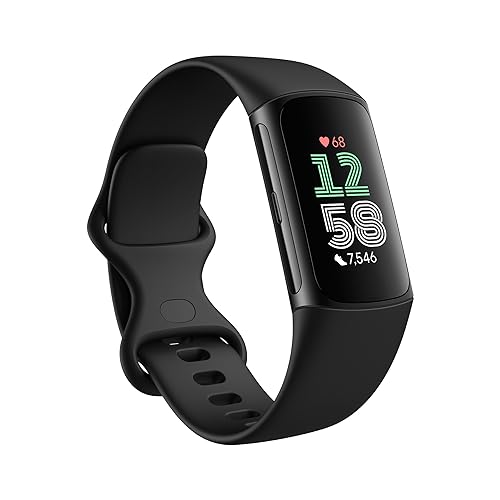
The Fitbit Charge 6 is the strongest all-around Android pick: built-in GPS, genuine Google integration for Maps and Wallet, and accuracy owners consistently praise. If you’re specifically on a Samsung phone, the Galaxy Fit3’s deeper Samsung Health integration is worth the switch.
Check price on AmazonFor Android specifically, the ecosystem question matters more than it does for iPhone users: a Fitbit ties into Google’s own health and Wallet features, a Galaxy Fit ties deeper into Samsung Health specifically, and neither locks you out the way an Apple Watch locks out Android entirely. That distinction is worth more than most spec-sheet comparisons.
We compared GPS accuracy, battery life, and how each brand’s app ecosystem actually plays with Android, since built-in GPS versus phone-connected GPS is a bigger real-world difference for accuracy than most people expect going in.
How we rank
We analyzed over 5,000 verified owner reviews, expert comparisons, and spec sheets to rank these trackers. See our method.
Quick picks
| Best for | Product | Who it suits |
|---|---|---|
| Best Overall | Fitbit Charge 6 | Android users wanting the most accurate all-around tracker |
| Best for Samsung Users | Galaxy Fit3 | Samsung phone owners who want deep integration |
| Best for Fitness Enthusiasts | Garmin Venu Sq 2 | Runners and athletes wanting detailed metrics |
| Best Budget | Amazfit Band 7 | Budget-conscious users wanting basic fitness tracking |
| Best Lightweight | Garmin Vivosmart 5 | Users who want a discreet, slim tracker |
| Best for Recovery | Whoop 4.0 | Athletes focused on recovery and strain optimization |
| Best for Beginners | Fitbit Inspire 3 | New fitness tracker users wanting simplicity |
The picks, compared
Fitbit Charge 6
Built-in GPS and real Google integration, Maps and Wallet directly on the wrist, set this apart from trackers that just sync basic notifications to an Android phone.
What owners say: Heart rate and sleep accuracy paired with the new Google features are the consistent praise. Battery life runs shorter than the previous Charge model, typically 5-7 days rather than a full week.
- Excellent GPS and heart rate accuracy
- Seamless Google integration
- Comprehensive sleep and stress tracking
- Battery life reduced compared to Charge 5
- Some features require Fitbit Premium subscription

Galaxy Fit3
Built specifically for the Samsung ecosystem, syncing with Samsung Health more deeply than a general Android tracker, including sleep coaching and snore detection most trackers here don’t offer.
What owners say: Comfort and the depth of Samsung Health integration are what owners point to most, particularly the sleep coaching feature. No built-in GPS is the trade-off, relying on phone GPS instead.
- Deep Samsung Health integration
- Lightweight and comfortable
- Great battery life (up to 13 days)
- No built-in GPS
- Limited third-party app support

Garmin Venu Sq 2
Built-in GPS and over 25 preloaded sport apps aimed at athletes who want detailed training data rather than just daily activity summaries.
What owners say: GPS accuracy and battery life regularly exceeding a week are the standout praise. The interface has a real learning curve initially, worth expecting some setup time to find the metrics you actually care about.
- Excellent GPS and training metrics
- Long battery life (up to 11 days)
- Music storage and Garmin Pay
- Lower resolution screen than some rivals
- Bulky design for small wrists
Amazfit Band 7
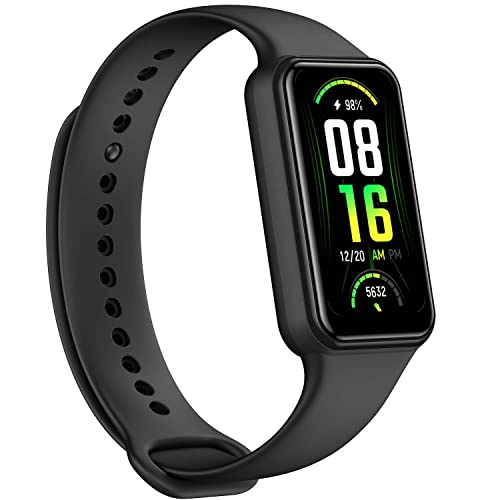
A large AMOLED display and 120+ sport modes at a price well below the premium picks here, relying on phone-connected GPS rather than a built-in chip.
What owners say: Display quality and battery life routinely hitting two weeks are what owners consistently mention. Heart rate accuracy during active workouts runs less consistent than the Garmin or Fitbit picks.
- Bright, large AMOLED display
- Excellent battery life
- Affordable with many features
- No built-in GPS
- Heart rate accuracy can be inconsistent during workouts
Garmin Vivosmart 5
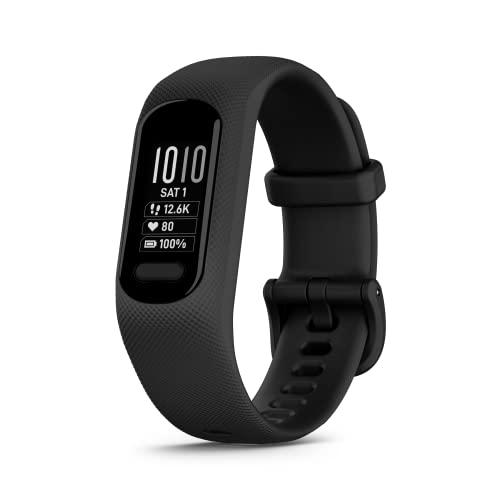
A deliberately slim, low-profile band built for people who want Garmin’s health-tracking algorithms without a bulky watch-style display.
What owners say: Comfort for 24/7 wear and the Body Battery feature specifically are the recurring praise. The small screen is genuinely harder to read at a glance than the larger-display picks here.
- Very slim and comfortable
- Good battery life (up to 7 days)
- Effective stress and sleep tracking
- Small screen can be hard to read
- No built-in GPS or music storage

Whoop 4.0
No screen at all, betting that recovery and strain data delivered through the app matters more than a display you check throughout the day, a genuinely different approach from every other tracker on this list.
What owners say: Owners specifically credit the daily recovery score with helping them avoid overtraining, a different use case than general step-counting. The required subscription is worth confirming you’re comfortable with before buying, since there’s no functionality without it.
- Deep recovery and strain analytics
- No screen distraction
- Long battery life with portable charger
- Requires monthly subscription
- No on-device display
Fitbit Inspire 3
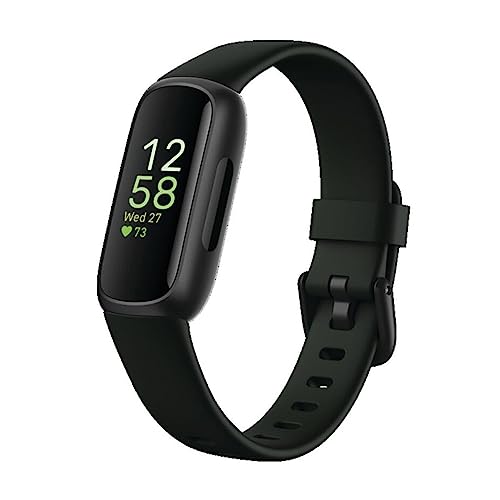
The simplest entry point here, straightforward setup and clear daily goals rather than the deeper metrics the pricier Fitbit and Garmin picks offer.
What owners say: Ease of setup and accurate basic step tracking are the consistent praise from first-time users. Advanced metrics like SpO2 sit behind a Fitbit Premium subscription, worth knowing before assuming it’s included.
- User-friendly interface
- Lightweight and comfortable
- Good battery life (up to 10 days)
- No built-in GPS
- Limited advanced metrics without Premium
How to choose
- Compatibility with Android. Ensure the tracker is fully compatible with your Android phone, including app support and notification features. Some trackers like the Fitbit Charge 6 offer Google integration, while others like the Galaxy Fit3 are optimized for Samsung phones.
- Battery Life. Consider how often you want to charge. Tracker battery life ranges from 5 to 14 days. If you dislike frequent charging, choose a model like the Amazfit Band 7 with longer battery life, but note that features like GPS and always-on display reduce battery life.
- GPS Accuracy. For outdoor activities like running or cycling, built-in GPS provides more accurate distance and pace than connected GPS (which uses your phone). The Garmin Venu Sq 2 has excellent built-in GPS, while budget models rely on phone GPS.
- Display and Size. AMOLED displays offer vibrant colors and are easy to read outdoors, but they consume more battery. Slim bands like the Garmin Vivosmart 5 are discreet, while larger screens like the Fitbit Charge 6 provide more data at a glance.
- Health Monitoring Features. Look for sensors that match your needs. Heart rate, SpO2, stress, and sleep tracking are common. Advanced features like ECG, skin temperature, and body composition require more expensive models. Consider if you need these metrics.
Frequently asked questions
Can I use an Apple Watch with an Android phone?
No, Apple Watch requires an iPhone. For Android users, options like Fitbit, Garmin, Samsung, and Amazfit are fully compatible with Android phones and offer similar features.
Do fitness trackers work without a phone?
Many trackers can store data temporarily and sync later. Models with built-in GPS like the Garmin Venu Sq 2 can track workouts without a phone, but for full features, the app is needed.
How accurate are fitness tracker heart rate sensors?
Optical heart rate sensors are generally accurate for steady-state activities, but can be less precise during high-intensity intervals. Reviews indicate Fitbit and Garmin are among the most reliable for consistent readings.
What is the difference between connected GPS and built-in GPS?
Built-in GPS uses the tracker's own chip to record location, which is more accurate and saves phone battery. Connected GPS relies on your phone's GPS, which can be less accurate and drains phone battery.
Are fitness trackers waterproof?
Most trackers have a water resistance rating of 50 meters (5 ATM), meaning they can be worn while swimming. However, not all are designed for pool tracking; check the product specs for swim tracking capabilities.
Do I need a subscription for full features?
Some trackers like Fitbit and Whoop offer premium subscriptions that unlock advanced analytics, personalized insights, and workout programs. Basic tracking usually remains free, but extra features may require payment.
The verdict
The Fitbit Charge 6 is the right default for most Android users. Choose the Galaxy Fit3 specifically if you’re on a Samsung phone and want that ecosystem depth, or the Garmin Venu Sq 2 if you’re training seriously and want built-in GPS with real training metrics.