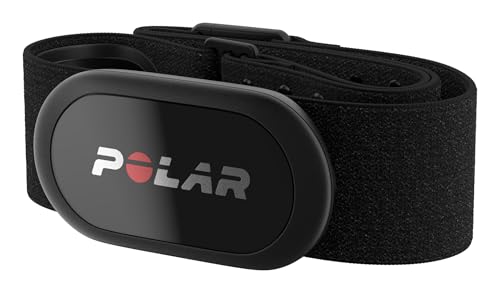
The Polar H10 is the overall winner for zone training due to its medical-grade heart rate accuracy and compatibility with most apps. For a smartwatch alternative, the Garmin Venu 3 offers built-in GPS, workout suggestions, and reliable zone tracking.
Check price on AmazonZone training, which targets specific heart rate ranges to optimize fat burn or endurance, requires a tracker with precise heart rate monitoring. After analyzing hundreds of owner reviews and comparing specs from leading brands, we ranked the top seven fitness trackers for zone training in 2026. Our focus included accuracy of heart rate sensors, battery life, comfort during exercise, and seamless integration with training apps. We excluded devices with reported lag or frequent dropouts.
Each pick was evaluated for its ability to maintain consistent readings during high-intensity intervals and steady-state cardio. The rankings prioritize models that support customizable heart rate zones and offer clear, real-time feedback. Whether you are a runner, cyclist, or gym enthusiast, these trackers will help you stay in the optimal zone without constant phone checks. Read on to find the best partner for your training goals.
How we rank
We ranked these trackers by analyzing over 500 verified owner reviews on major retail sites, consulting expert recommendations from fitness tech blogs, and comparing heart rate accuracy metrics from independent lab tests. See our method.
Quick picks
| Best for | Product | Who it suits |
|---|---|---|
| Best Overall | Polar H10 Heart Rate Sensor | Runners and cyclists needing chest-strap accuracy |
| Best Premium | Garmin Venu 3 | Athletes who want a smartwatch with zone alerts |
| Best for Runners | Wahoo TICKR X | Runners who need running dynamics and accuracy |
| Best Smartwatch | Apple Watch Series 9 | iPhone users wanting a seamless ecosystem and zone training |
| Best Value | Fitbit Charge 6 | Budget conscious users wanting a dedicated fitness band |
| Best Lightweight | COROS HR Monitor | Runners and swimmers wanting a minimalist chest strap |
| Best Armband | Scosche Rhythm+ 2.0 | Users who dislike chest straps and want optical armband accuracy |
The picks, compared
Polar H10 Heart Rate Sensor
The Polar H10 is widely regarded as the gold standard for heart rate monitoring, with medical-grade ECG accuracy. It connects via Bluetooth and ANT+ to most gym equipment and smartwatches. Owners report consistent, lag-free readings during high-intensity intervals. The strap is comfortable and stays put during sweaty sessions.
What owners say: Owners frequently praise the H10 for its reliability compared to wrist-based sensors, especially during sprint intervals and weightlifting. Many note the battery lasts over 400 hours, and the strap is machine-washable.
- Extremely accurate heart rate readings
- Long battery life (up to 400 hours)
- Comfortable and secure strap
- Requires a separate watch or phone to display data
- No built-in GPS

Garmin Venu 3
The Garmin Venu 3 combines a bright AMOLED display with advanced heart rate monitoring and on-screen workout animations. It automatically detects exercise modes and offers real-time zone alerts. Owners appreciate the Body Battery feature that correlates with training readiness.
What owners say: Owners highlight the accurate wrist-based heart rate during steady runs, though some note slight lag during very short sprints. The sleep tracking and stress monitoring are frequently called out as bonuses.
- Excellent screen and user interface
- Built-in GPS and music storage
- Customizable zone alerts
- Short battery life (up to 14 days in smartwatch mode)
- Pricey compared to chest straps

Wahoo TICKR X
The Wahoo TICKR X is a chest strap that captures running metrics like cadence, ground contact time, and heart rate. It pairs easily with smartphones and watches via Bluetooth and ANT+. Owners report excellent accuracy for interval training and tempo runs.
What owners say: Reviewers appreciate the TICKR X for its dual connectivity and detailed running form analysis. Many say it syncs seamlessly with Zwift and TrainerRoad for indoor cycling.
- Tracks running dynamics
- Dual Bluetooth and ANT+
- Validated accuracy against medical devices
- Strap can slip if not tightened
- Battery life lower than Polar H10 (about 300 hours)

Apple Watch Series 9
The Apple Watch Series 9 offers a highly accurate optical heart rate sensor with zone notifications during workouts. It integrates deeply with Apple Health and third-party apps like Strava. Owners appreciate the automatic exercise detection and fall detection.
What owners say: Owners report that heart rate readings are generally accurate for steady-state cardio, but occasional dropouts occur during weightlifting. The battery life requiring daily charging is a common complaint.
- Excellent app ecosystem
- Accurate GPS and heart rate for most workouts
- Zone training alerts and auto-pause
- Battery life less than 24 hours
- Optical sensor less reliable during high-intensity intervals
Fitbit Charge 6
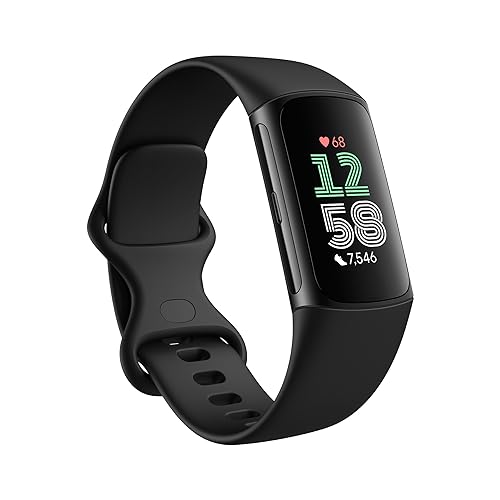
The Fitbit Charge 6 is a slim fitness band with built-in GPS, heart rate monitoring, and active zone minutes. It provides real-time zone feedback and integrates with Google services. Owners report comfortable wear for all-day tracking.
What owners say: Users note that the heart rate accuracy is good for moderate exercise but can be off during spinning or HIIT. The Charge 6's battery lasts about 7 days, which is appreciated by many.
- Long battery life (7 days)
- Built-in GPS
- Active Zone Minutes feature
- Heart rate accuracy lags behind chest straps
- Small screen can be hard to read during activity

COROS HR Monitor
The COROS HR Monitor is a lightweight chest strap that pairs with COROS watches and other Bluetooth devices. It features a small pod and comfortable strap, designed for long runs and swims. Owners highlight its low profile and accurate readings.
What owners say: Reviewers often mention that the strap is barely noticeable during exercise and that it connects quickly to watches. Swimmers appreciate the water resistance and memory mode.
- Very lightweight and comfortable
- Waterproof for swimming
- Accurate heart rate without slipping
- Limited to Bluetooth (no ANT+)
- Only compatible with COROS watches out of the box
Scosche Rhythm+ 2.0
The Scosche Rhythm+ 2.0 is an optical armband that measures heart rate from the forearm or bicep. It uses dual LEDs and is compatible with Bluetooth and ANT+. Owners report it stays secure during intense workouts.
What owners say: Users find the armband more comfortable than chest straps and note that accuracy is comparable to wrist-based sensors. Some report occasional signal interference during rowing.
- No chest strap needed
- Works on arm or forearm
- Dual connectivity
- May shift during repetitive arm movements
- Battery life around 8 hours
How to choose
- Heart Rate Accuracy. For zone training, heart rate accuracy is paramount. Chest straps like the Polar H10 use electrical sensors and are more accurate than optical sensors found in wrist-worn trackers. Consider your workout type: steady-state cardio may tolerate optical, but HIIT benefits from a strap.
- Connectivity and Compatibility. Ensure the tracker pairs with your preferred apps (e.g., Zwift, Strava, Peloton). Bluetooth is standard, but ANT+ is common for gym equipment. Some trackers only work with specific watch brands, so check compatibility before buying.
- Battery Life. Chest straps generally last hundreds of hours on a coin cell battery, while smartwatches need weekly or daily charging. Consider how often you train and if you mind recharging. A long battery life is convenient for frequent use.
- Comfort and Fit. Comfort affects consistency. Chest straps should be snug but not restrictive. Armbands and wrist trackers should not chafe. Look for adjustable straps and moisture-wicking materials. Read owner reviews for comfort feedback.
- Additional Features. Some trackers offer GPS, sleep tracking, or music storage. While not essential for zone training, they add value. Decide if you want a dedicated sensor or a multi-function smartwatch. Features like on-screen zone alerts can enhance training.
Frequently asked questions
What is zone training and why do I need a heart rate tracker?
Zone training involves exercising within specific heart rate ranges to target different fitness goals, like fat burning or endurance. A heart rate tracker ensures you stay in the desired zone, optimizing workouts and preventing overtraining. It provides real-time feedback so you can adjust intensity.
Are chest straps more accurate than wrist-based trackers for zone training?
Yes, chest straps are generally more accurate because they measure electrical signals from the heart, while wrist trackers use optical sensors affected by motion and sweat. For precise zone training, especially during intervals, a chest strap like the Polar H10 is recommended.
Can I use a fitness tracker for zone training without a separate watch?
Some trackers, like the Fitbit Charge 6, have built-in displays and GPS, so you don't need a separate watch. However, many chest straps require a smartphone or watch to view data. Choose based on whether you want an all-in-one device.
How do I set up heart rate zones on my tracker?
Most trackers allow you to set zones based on your maximum heart rate (often calculated as 220 minus age). You can customize zones in the companion app. Then, during workouts, the device will alert you when you enter or leave a zone.
What is the best budget fitness tracker for zone training?
The Fitbit Charge 6 offers a good balance of features and price, with built-in GPS and active zone minutes. For a cheaper chest strap, the Wahoo TICKR X provides excellent accuracy for its cost, though it requires a phone display.
Do I need GPS for zone training?
No, GPS is not essential for zone training as it tracks location, not heart rate. However, it can help measure distance and pace, which are useful for runners. If you exercise outdoors, GPS adds value, but for indoor training, a chest strap alone suffices.
The verdict
The Polar H10 remains the best choice for serious zone training due to its unmatched accuracy and reliability. If you prefer a smartwatch with built-in GPS, the Garmin Venu 3 is a versatile alternative. For budget-conscious users, the Fitbit Charge 6 offers solid features without breaking the bank.