The overall best balance board for office use is the Fluidstance Level. For those seeking a more affordable alternative, the Wobbel Balance Board offers excellent performance and versatility.
Check price on AmazonFor many of us, the workday is a marathon of sitting. Studies link prolonged sitting to back pain, poor circulation, and decreased focus. Balance boards offer a dynamic solution, engaging your core, improving posture, and burning extra calories without leaving your desk. We dug into research and user reviews to rank the best balance boards for the office in 2026.
We evaluated each board on stability, build quality, portability, and user feedback. Whether you want a board for standing or sitting, our roundup covers options for every need and skill level. We focused on real owner experiences rather than marketing claims, so you can choose a board that truly supports your work-from-home or office setup.
How we rank
We ranked these boards by comparing owner reviews across multiple platforms, expert commentary on ergonomics, and manufacturer specifications for stability and durability. See our method.
Quick picks
| Best for | Product | Who it suits |
|---|---|---|
| Best Overall | Fluidstance Level | Office workers who want a premium, sturdy balance board for standing desks |
| Best Value | Wobbel Balance Board | Budget-conscious office workers or beginners wanting a versatile board |
| Best for Beginners | Exerpeutic Rocking Balance Board | First-time balance board users who want a stable, adjustable board |
| Best Budget | Yes4All Balance Board | Cost-conscious shoppers wanting a basic, functional board |
| Best for Core Strength | Gaiam Balance Ball Board | Office workers who want to actively strengthen their core while standing |
| Best Versatile | BOSU Balance Trainer | Those who want a multi-use balance tool for both office and workout |
| Best for Sitting | SitFlow Active Sitting Cushion | Office workers who want to improve posture while sitting at a desk |
The picks, compared
Fluidstance Level
The Fluidstance Level is widely regarded as the gold standard for office balance boards. Its aluminum construction and textured surface provide a stable yet challenging platform. Owners report it helps with posture and focus without being distracting. The board's low profile and quiet bearings make it office-friendly.
What owners say: Owners consistently praise the build quality and smooth rocking motion, noting it feels solid and lasts for years. Many appreciate how it alleviates lower back discomfort during long workdays.
- Excellent build quality and durability
- Smooth, quiet operation
- Effective for improving posture and core engagement
- Higher price point than many alternatives
- Limited color options
Wobbel Balance Board
The Wobbel Balance Board is a felt-covered wooden board that doubles as a seating or standing balance board. Its soft surface makes it comfortable for long periods, and the gentle rock helps improve posture. Reviewers love its aesthetic and dual-use capability.
What owners say: Owners frequently highlight the board's handsome design and comfortable feel underfoot. Many use it both as a standing balance board and as a dynamic seat cushion.
- Attractive design with felt surface
- Versatile for standing or sitting
- Affordable price point
- Not as stable as aluminum boards for intense balancing
- Felt may show wear over time
Exerpeutic Rocking Balance Board
The Exerpeutic Rocking Balance Board features adjustable rocker stops, allowing you to control the tilt range. This makes it ideal for beginners easing into balance training. Reviewers note its sturdy plastic construction and non-slip surface.
What owners say: Owners appreciate the adjustable difficulty, which helps them progress safely. Many mention it helps reduce foot and leg fatigue during standing work.
- Adjustable tilt range for progressive challenge
- Non-slip surface is safe
- Lightweight and easy to move
- Plastic build feels less premium
- Limited aesthetics for the office

Yes4All Balance Board
The Yes4All Balance Board is a simple, wooden rocking board similar to those used in physical therapy. It offers a no-frills approach to balance training at a low cost. Owners report it is effective for core strengthening and ankle stability during desk work.
What owners say: Owners like the straightforward design and value for money. Some note the board is smaller, which can be limiting for taller individuals.
- Very affordable
- Effective basic balance training
- Lightweight and portable
- Smaller surface may suit only smaller feet
- No adjustability or cushion
Gaiam Balance Ball Board
The Gaiam Balance Ball Board combines a board with a stability ball, offering a more dynamic balance challenge. It forces constant micro-adjustments that engage the core, back, and legs. Owners say it helps improve posture and stability, though it requires focus.
What owners say: Owners report significant improvements in core strength and balance. However, some mention the ball can be slightly squeaky and may require inflation maintenance.
- Excellent core engagement
- Portable and adjustable height
- Improves posture and stability
- Requires inflation and occasional maintenance
- Can be unstable for beginners

BOSU Balance Trainer
The BOSU Balance Trainer is a half-ball platform that can be used either side up for different challenges. In the office, it serves as a dynamic seat or standing platform. Owners love its durability and effectiveness for full-body stability.
What owners say: Owners highlight the BOSU's ability to improve overall balance and reduce back pain when used as a seat. Many also use it for exercise outside work.
- Versatile with two sides for varying difficulty
- Durable construction
- Excellent for rehabilitation and core work
- Bulky and not easy to store under a desk
- Can be too challenging for some office settings
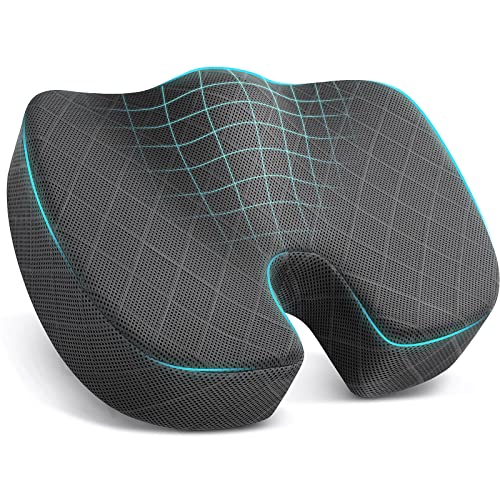
SitFlow Active Sitting Cushion
The SitFlow Active Sitting Cushion is an inflatable balance cushion designed for use on a chair. It encourages subtle movement to engage core muscles and promote proper spine alignment. Owners say it reduces pressure on the hips and lower back during long sits.
What owners say: Owners report immediate relief from sitting discomfort and appreciate the compact size. Some note the cushion can lose air over time and requires re-inflation.
- Promotes better sitting posture
- Portable and fits most chairs
- Affordable alternative to full boards
- Requires inflation and may need periodic topping up
- Less dynamic than standing balance boards
How to choose
- Stability and Difficulty. Choose a board with adjustable or inherent stability that matches your skill level. Beginners may prefer a board with a low rock or stops, while experienced users can handle more range for a better core workout.
- Size and Surface Area. Consider the board's dimensions relative to your foot size and desk space. A larger surface offers more comfort but may not fit under low desks; a compact board is easier to store but may feel cramped for tall users.
- Build Material and Durability. Aluminum or high-grade wood boards tend to last longer and feel sturdier. Plastic options are lighter and cheaper but may crack over time. Look for non-slip surfaces to ensure safety during long sessions.
- Portability and Storage. If you switch desks or work in a shared office, a lightweight, slim board is ideal. Some boards can slide under a desk easily; others are bulkier and require dedicated storage space.
- Intended Use: Sitting vs. Standing. Some boards are designed for standing only, while others double as active sitting cushions or have reversible sides. Decide whether you want to stand all day or alternate between sitting and standing.
Frequently asked questions
How long should I use a balance board at my desk each day?
Start with 15 to 30 minutes per day and gradually increase as your body adapts. Standing on a balance board for hours at a time can fatigue your legs and back if you are not accustomed. Listen to your body and take breaks.
Can a balance board help with back pain?
Yes, many users report reduced lower back pain after using a balance board regularly. The micro-movements strengthen core muscles that support the spine, promoting better posture. However, it is not a substitute for medical treatment.
Are balance boards safe for everyone?
Balance boards can be safe for most people, but those with balance disorders, recent injuries, or pregnancy should consult a doctor first. Always use the board on a stable surface and consider a board with adjustable difficulty.
Do I need to remove my shoes when using a balance board?
It depends on the board's surface. Some boards have textured surfaces that work well with bare feet or socks, while others provide better grip with shoes. Check the manufacturer's recommendation for safety.
How much space do I need under my desk for a balance board?
Measure the clearance under your desk before buying. Most boards are 2 to 4 inches thick, so if your desk has a low crossbar, it may not fit. Standard height adjustable desks often have enough room.
Can I use a balance board on carpet?
Yes, but thicker carpet may reduce stability and make balancing harder. Some boards include anti-slip pads or recommend using a thin mat under the board for carpeted floors.
The verdict
The Fluidstance Level is our top pick for office use thanks to its premium build, quiet rocking, and excellent stability for standing desks. If you prefer a more affordable option, the Wobbel Balance Board offers great versatility for both sitting and standing. For core strengthening on a budget, the Gaiam Balance Ball Board provides a dynamic challenge.