 Related pick
Balance training equipment includes tools like balance boards, BOSU balls, stability balls, foam rollers, and wobble cushions. These tools enhance stability, coordination, and core strength by challenging your proprioception. For most, a balance board and foam roller cover basic needs, while BOSU balls add variety. Choose based on your fitness level and goals.
Balance training is a key component of any well rounded fitness routine. It improves stability, coordination, and core strength, which can help prevent injuries and enhance performance in other activities. But with so many products on the market, it can be tough to know which tools are worth your time and money. This guide breaks down the most common balance training equipment, how they work, and who they are best for, so you can make an informed choice that fits your goals.
Balance Boards
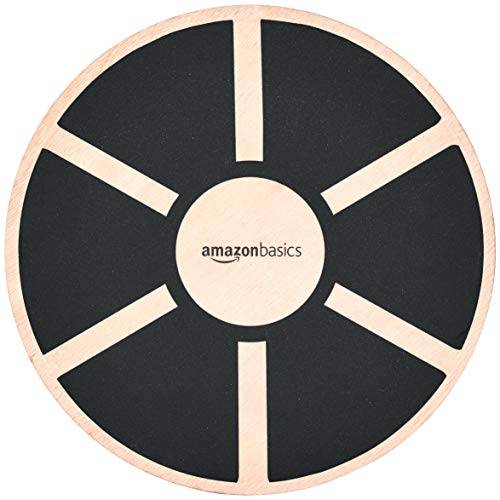
Balance boards are among the most versatile and challenging tools for balance training. They typically consist of a flat platform that rests on a fulcrum, like a rocker or roller. You stand on the board and work to keep it level, engaging your ankles, legs, and core. They are excellent for improving proprioception (your body’s awareness of its position in space) and joint stability, especially for athletes who need quick reactions.
There are several types: rocker boards (side to side), wobble boards (multi directional), and roller boards (for dynamic, surf like motion). Rocker boards are good for beginners, while wobble and roller boards are more advanced. If you are new, start with a rocker board and progress to a wobble board as your balance improves. These boards are compact and durable, making them a great at home option.
BOSU Balls
BOSU balls, or both sides up balls, are a half dome of rubber with a flat base. You can use them with the dome side up for unstable surface exercises like squats, lunges, and push ups, or with the flat side up for more dynamic moves like jumps. The instability forces your core and stabilizer muscles to engage constantly, making exercises more challenging than on stable ground.
They are popular because they offer a wider range of exercises than a balance board. For instance, you can do planks, bridges, and even use them for upper body work. However, they take up more space and require inflation to the right firmness. BOSU balls are best for people who want variety and have room to store them. Beginners should start with simple stances before moving to dynamic moves.
Stability Balls
Stability balls (also known as exercise balls, Swiss balls, or yoga balls) are large inflatable balls that are iconic in balance training. They are extremely versatile, used for everything from core exercises like crunches and stability holds to upper and lower body moves. The ball’s instability forces you to use your core to stay balanced, which strengthens the deep abdominal muscles that support your spine.
One key advantage is that they come in different sizes, so you need to choose one that fits your height (your thighs should be parallel to the floor when sitting on it). They are also great for improving posture when used as a desk chair. Downsides: they can roll away and may need frequent inflation. For best results, use them on a non slip surface and check for punctures. They are ideal for home gyms with limited space.
Foam Rollers
Foam rollers are primarily known for self myofascial release (massaging tight muscles), but they are also excellent for balance training. By performing exercises like planks, bridges, or single leg stands on a foam roller, you challenge your stability significantly. The roller’s cylindrical shape adds an extra dimension of instability that targets your core and hip stabilizers.
They come in different densities (soft to firm) and textures (smooth or with ridges). For balance purposes, a smooth, medium density roller is a good start. Beginners can use a foam roller on a wall for support, while advanced users can attempt full body exercises like roller lunges. They are affordable, easy to store, and double as a recovery tool. If you want multitasking equipment, this is a solid choice.
Wobble Cushions and Balance Pads
Wobble cushions and balance pads are soft, air filled or foam platforms that create an unstable surface when you stand, sit, or kneel on them. They are less intense than boards or BOSU balls, making them great for beginners, rehabilitation, or low impact training. They help improve ankle stability, posture, and core activation without requiring a lot of coordination.
These cushions are portable, lightweight, and easy to store. You can use them while standing at your desk, during yoga, or for dynamic exercises like squats and lunges. The main drawback is that they offer less of a challenge once your balance improves, so you may outgrow them quickly. They are best for people recovering from ankle injuries, older adults, or anyone wanting a gentle introduction to balance work. For most active people, they can complement other tools rather than replace them.
Frequently asked questions
Do I need balance training equipment if I already do yoga or Pilates?
Yoga and Pilates already challenge balance, but dedicated equipment can add variety and target specific stabilizers differently. If you feel your balance is not improving or you want to progress, adding a board or BOSU ball can help.
How often should I use balance training equipment?
Aim for 2 to 3 times per week for about 10 to 15 minutes. This frequency allows your nervous system to adapt without overloading it. As with any training, listen to your body and increase gradually.
Can balance training help with injury prevention?
Yes. By strengthening the small stabilizer muscles around joints like your ankles, knees, and hips, balance training can reduce the risk of sprains and falls. It also improves proprioception, which helps you react quickly to uneven surfaces.
What is the best balance training equipment for a beginner?
A foam roller or wobble cushion is a great start because they are less intimidating and safer. You can progress to a rocker board once you feel confident. Focus on mastering the basics before moving to more advanced tools.
Looking to buy? See our Balance Boards guides for tested picks.