 Related pick
Balance boards improve core strength, ankle stability, and proprioception, which can enhance athletic performance and reduce injury risk. They also engage stabilizing muscles that traditional exercises often miss, making them a valuable tool for functional fitness and rehabilitation.
If you have ever seen a balance board at the gym or in a friend’s living room, you might wonder if it is just another gimmick. The truth is, when used correctly, these simple devices offer real, practical benefits that go beyond looking cool. From building a stronger core to preventing common injuries, balance boards can be a smart addition to your fitness routine. This article will walk you through the actual advantages, backed by what experts know about stability training, and help you decide if a balance board is right for you.
What Is a Balance Board and How Does It Work?
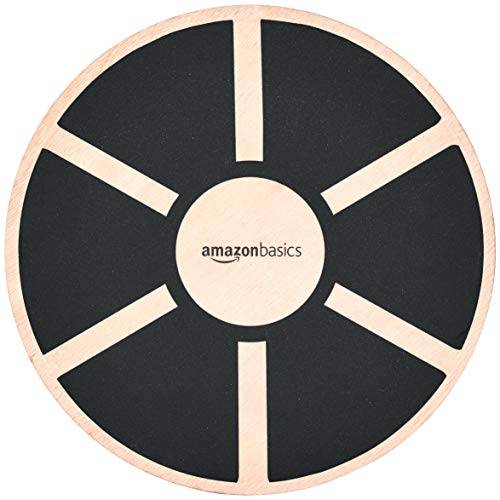
A balance board is a flat platform set on a fulcrum, roller, or hemisphere that challenges your body to maintain equilibrium. There are several types, including rocker boards, wobble boards, and roller boards, each offering a slightly different challenge. The basic idea is simple: you stand on the board and try not to let the edges touch the ground or the board tip over. This forces your muscles, especially in your core, legs, and ankles, to constantly adjust to keep you upright.
The magic happens because your body has to respond to tiny shifts in weight distribution that you might not even notice. Over time, this trains your neuromuscular system to communicate better between your brain and muscles. This is not just about getting better at using the board itself; it translates to improved balance in everyday activities like walking on uneven ground or catching yourself from a fall.
Strengthening Your Core and Stabilizer Muscles
One of the biggest claims about balance boards is that they build core strength, and this is fairly accurate. Unlike crunches or sit-ups, which target the outer abdominal muscles, standing on a balance board forces your deep stabilizers, such as the transverse abdominis and obliques, to work continuously. You are not doing high reps; you are holding a position against constant perturbation, which builds endurance in these muscles.
In addition, your hips, glutes, and even your feet get a solid workout. The small muscles in your feet and ankles, which are often neglected by conventional exercises, become more active. This can help distribute load better during activities like running or squatting and may reduce strain on larger joints. For anyone who sits at a desk all day, using a balance board can reactivate sleepy glute muscles and improve posture.
Improving Ankle Stability and Preventing Injuries
Ankle sprains are one of the most common sports injuries, and a lack of proprioception, which is your body’s ability to sense its position in space, is often a contributing factor. Balance board training has been used in physical therapy for years to retrain ankles after injury. By challenging your balance on an unstable surface, you teach the ligaments and muscles around your ankle to react quickly and effectively.
Regular use can also help prevent first-time injuries. Studies show that balance training can reduce the risk of ankle sprains in athletes, particularly in sports that involve jumping or cutting. Even if you are not an athlete, better ankle stability means fewer rolled ankles during everyday activities like hiking or carrying groceries. Just start slow and have a wall or chair nearby to catch yourself.
Enhancing Athletic Performance and Coordination
Many sports require rapid adjustments in body position, quick changes of direction, and the ability to stay stable while moving. Balance board workouts mimic these demands in a controlled environment. Surfers, snowboarders, skateboarders, and other board sport athletes often use balance boards to simulate the feel of their sport off the slopes or waves. But even runners, cyclists, and golfers can benefit from improved dynamic balance and coordination.
For example, a runner with better balance can maintain form even when fatigued, reducing the risk of a misstep. A golfer with a stable lower body can generate more power consistently. The key is that balance training does not just make you better at balancing, it improves the efficiency of your movement patterns, so you waste less energy correcting small deviations.
How to Incorporate a Balance Board Into Your Routine Safely
If you are new to balance boards, start by using it near a wall or a sturdy surface you can grab onto. Begin with just a few minutes at a time, focusing on keeping the board level. As you get comfortable, you can progress to standing on one leg, doing squats, or even adding light weights. Just be mindful of your ankles and knees, and never push through pain.
A once or twice a week session of 5 to 10 minutes is enough to see improvements without overdoing it. You can use it as a warm-up challenge before your regular workout or as a cool-down to test your stability. Remember that balance training is about quality, not quantity. A focused, wobble free minute is more valuable than ten minutes of sloppy technique. And if you have a history of falls or balance disorders, talk to a doctor or physical therapist first.
Frequently asked questions
Can using a balance board help with lower back pain?
Yes, it can help by strengthening the deep core muscles that support your spine. However, if you have an acute injury or chronic condition, consult a healthcare professional before starting balance training.
How often should I use a balance board to see results?
For most people, using a balance board for 5 to 10 minutes two to three times per week is enough to notice improvements in balance and core endurance. Consistency matters more than duration.
Are balance boards safe for seniors or beginners?
Yes, with proper precautions. Seniors and beginners should start with a rocker board (less unstable) and always have support nearby, like a wall or chair. It is a low impact way to improve balance and prevent falls.
Do balance boards help with weight loss?
They are not a high calorie burner on their own, but they can improve workout quality by engaging more muscles. Combined with a good diet and aerobic exercise, they can support weight loss indirectly by making other exercises more effective.
Looking to buy? See our Balance Boards guides for tested picks.