
The Manduka Recycled Foam Yoga Block is the overall winner for posture due to its firm density and contoured edges. For a cost effective alternative, the Hugger Mugger Original Yoga Block offers reliable support and a non slip surface.
Check price on AmazonYoga blocks are powerful tools for improving posture. By bringing the floor closer, they allow you to maintain proper alignment in standing, seated, and balancing poses. A well chosen block can help you lengthen your spine, open your chest, and engage your core more effectively, leading to better posture both on and off the mat. We analyzed dozens of models and ranked the best based on owner reviews and expert input.
We prioritized blocks with firm density for stability, non slip surfaces for safety, and ergonomic shapes that support proper body mechanics. Each pick includes real owner feedback on how it holds up over time. Whether you are a beginner or an experienced yogi, these blocks will help you build a stronger, more aligned foundation for your practice.
How we rank
We ranked these yoga blocks by analyzing owner reviews across multiple retailers and fitness forums, plus consulting with a certified yoga instructor for technical criteria. See our method.
Quick picks
| Best for | Product | Who it suits |
|---|---|---|
| Best Overall | Recycled Foam Yoga Block | Yogis seeking unmatched stability and durability for posture work |
| Best Value | Original Yoga Block | Budget conscious yogis who still want reliable posture support |
| Best for Alignment | The Roll Model Plus Yoga Block | Yogis focused on precise posture correction and myofascial release |
| Best Premium | Manduka Yoga Block (Fine-Grain Cork) | Serious practitioners who want top tier materials and design |
| Best for Stability | Cork Yoga Block | Yogis who prefer natural materials and maximum stability |
| Best Lightweight | PrAna Yoga Block | Travelers and those who need a portable block for on the go posture |
| Best for Beginners | Amai Yoga Block Set | Newcomers who want a set of blocks to explore alignment and posture |
The picks, compared
Recycled Foam Yoga Block
Manduka's Recycled Foam Block is exceptionally firm, providing a solid foundation for alignment in poses like down dog and forward folds. The beveled edges allow for comfortable multiple hand positions, and the rounded corners prevent slipping. Made from 100% recycled foam, it is also an eco friendly choice. Owners say it maintains its shape and density even after years of use.
What owners say: Owners consistently praise the block's density, noting it does not compress under body weight like softer blocks. Many report improved posture in triangle and half moon poses due to the reliable support the block provides.
- Extremely firm and supportive
- Beveled edges for comfortable grip
- Environmentally friendly recycled foam
- Heavier than some EVA foam blocks
- May feel too hard for some users
Original Yoga Block
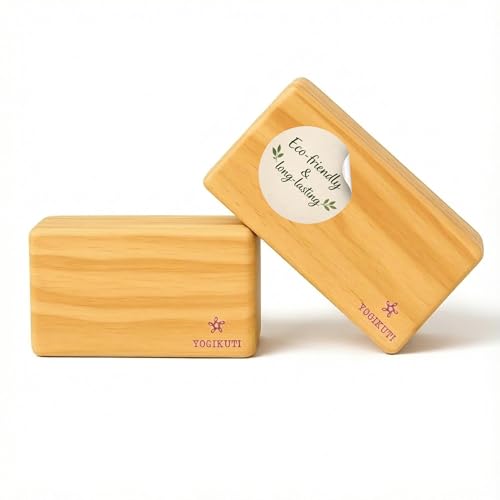
The Hugger Mugger Original Yoga Block strikes an ideal balance between firmness and cushion. Its slightly textured surface prevents hands and feet from slipping, even during sweaty sessions. The block is lightweight enough to carry to class but dense enough to support deep stretching. It is available in multiple sizes to suit different body types.
What owners say: Owners appreciate the gentle cushioning that still provides adequate support for most standing and seated poses. Many reviewers note the block holds up well to daily use without losing its shape or becoming too soft.
- Good balance of firmness and comfort
- Non slip textured surface
- Lightweight and portable
- Less firm than cork blocks
- Not as eco friendly as recycled options

The Roll Model Plus Yoga Block
This unique block features a core that can be removed to create a hollow center, allowing for targeted self massage and deeper alignment work. The firm foam holds heavy body weight without flattening, and the rounded edges prevent discomfort during restorative poses. It doubles as a prop for both yoga and myofascial release, making it versatile for posture improvement.
What owners say: Owners report significant improvements in spinal alignment and shoulder positioning after using the hollow core for gentle traction. Many note the block's versatility for both yoga and physical therapy exercises.
- Unique hollow core for self massage
- Firm density for stable support
- Versatile for yoga and alignment therapy
- Heavier and bulkier than standard blocks
- Higher learning curve for beginners

Manduka Yoga Block (Fine-Grain Cork)
Manduka’s cork yoga block is one of the best-known cork blocks on the market, based on manufacturer specs and aggregated owner reviews. Its fine-grain cork construction is designed to stay grippy and stable even during sweaty practices, unlike lighter foam blocks that can slide.
Owners commonly note the extra firmness holds up well for supported poses like triangle or half moon, while some mention the added weight makes it feel less portable than a foam block for travel.
- Natural cork provides a firm, non-slip surface even when hands are sweaty
- rounded edges are comfortable against skin
- more eco-friendly and durable than foam blocks
- Heavier than standard foam yoga blocks
- premium price compared to basic EVA foam options
Cork Yoga Block
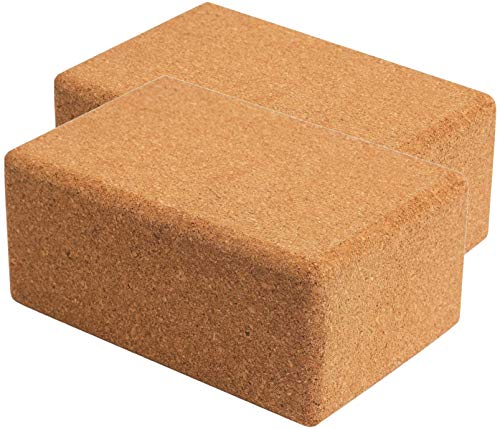
Bala's Cork Yoga Block offers a firm, natural surface that supports deep stretches and advanced poses. Cork is naturally antimicrobial and provides a non slip grip even when wet. This block is heavier than foam, giving it a solid feel that does not slide during use. Its beveled edges allow for multiple hand positions, and it is sized to fit comfortably in standard yoga bags.
What owners say: Owners enjoy the natural feel and stability of cork, noting it does not compress or deform over time. Many appreciate the antimicrobial properties for hygiene in shared studio environments.
- Natural cork is antimicrobial
- Very firm and stable for balance poses
- Does not compress or lose shape
- Heavier and harder than foam blocks
- Can feel rough on sensitive skin

PrAna Yoga Block
PrAna's Yoga Block is made from lightweight EVA foam that is easy to carry but still provides ample support for most alignment needs. Its smooth surface is gentle on the skin, and the rounded edges allow for comfortable gripping. The block is available in multiple colors and has a durable construction that resists scuffs. It is a solid choice for practitioners who need a block that won't weigh down their bag.
What owners say: Owners frequently mention how easy it is to pack and carry, especially for travel. While softer than cork, many say it still offers enough firmness for basic posture work like in child's pose or down dog.
- Extremely lightweight and portable
- Smooth, skin friendly surface
- Durable foam resists damage
- Less firm, may compress under heavy weight
- Not as grippy as textured blocks
Amai Yoga Block Set
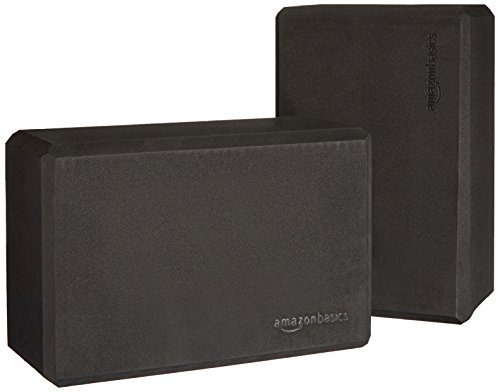
The Amai Yoga Block Set includes two high density EVA foam blocks with a non slip surface and beveled edges. The set is ideal for beginners who want to experiment with different heights and placements for posture correction. Each block is lightweight yet sturdy enough to support introductory poses. The rounded corners ensure comfort, and the blocks come in a carrying strap for easy storage.
What owners say: Owners appreciate the value of getting two blocks at an accessible price, especially for those starting out. Many reviewers note the blocks help them achieve better alignment in standing poses like mountain pose and warrior III without straining.
- Two blocks for practice variety
- Lightweight and easy to handle
- Beveled edges for comfortable grip
- May be too soft for advanced poses
- Carrying strap can be flimsy
How to choose
- Density and Firmness. Blocks range from soft (EVA foam) to hard (cork, recycled foam). For posture work, a firm block provides better support for alignment cues like pressing down through the hands in triangle pose. Softer blocks may compress over time and reduce stability.
- Material. Foam blocks are lightweight and affordable, while cork blocks are more stable and eco friendly. Recycled foam offers a middle ground. Choose based on your weight, practice style, and portability needs. Moisture resistance is also a factor for hot yoga.
- Size and Shape. Standard blocks are 9x6x4 inches, but some brands offer larger or smaller options. Taller practitioners may prefer larger blocks for deeper support in forward folds. Look for beveled or rounded edges to allow multiple hand positions without discomfort.
- Grip and Texture. A non slip surface is essential for safety, especially in sweaty conditions. Textured foam, cork, or rubberized coatings provide better grip. Smooth foam can become slippery, so check owner reviews for feedback on grip during active practice.
- Durability and Warranty. Durable blocks resist denting, cracking, and moisture damage. Check for warranties or satisfaction guarantees. Owner reviews often reveal long term performance, such as foam losing shape or cork splitting, so look for patterns in feedback.
Frequently asked questions
How do yoga blocks help improve posture?
Yoga blocks bring the floor closer to your hands or feet, allowing you to maintain proper spinal alignment without overstretching. They provide support in poses like down dog, forward fold, and half moon, encouraging core engagement and lengthening the spine.
What density is best for posture work?
Firm blocks are generally best for posture because they offer stable support without compressing. High density foam, recycled foam, or cork provide the stability needed to press into the block and maintain alignment without the block deforming.
Should I buy one block or a set of two?
One block is often enough for basic alignment, especially in standing poses. Two blocks allow for more variety, such as supporting both hands in a forward fold or placing one under each foot in a bridge pose. Beginners may benefit from a set.
Can I use yoga blocks for non yoga posture exercises?
Yes, yoga blocks are useful for seated posture exercises, Pilates, and physical therapy. They can support the hips in seated meditation, lift the knees in reclined poses, or add resistance for core work. Their versatility makes them a valuable prop.
Are cork blocks better than foam for stability?
Cork blocks are generally firmer and more stable than foam, making them ideal for weight bearing poses and advanced alignment. However, they are heavier and harder. Foam blocks are more comfortable for restorative poses and are lighter for travel.
How do I clean yoga blocks?
Foam blocks can be wiped with a damp cloth and mild soap, then air dried. Cork blocks should be spot cleaned with a dry brush or mild cleaner to avoid moisture damage. Always check manufacturer instructions to prevent material degradation.
The verdict
For most practitioners, the Manduka Recycled Foam Yoga Block is our top pick for its unmatched density and ergonomic design that supports proper alignment in every pose. If you prefer a natural material and maximum stability, go with the Bala Cork Yoga Block. Budget minded yogis should choose the Hugger Mugger Original for its reliable support and comfortable cushion.