
The Nike Romaleos 4 stands out as the overall winner for its exceptional stability and robust construction, making it ideal for serious lifters. For those prioritizing versatility and a slightly more flexible feel, the Reebok Legacy Lifter III presents a strong alternative, offering reliable support across various movements and Olympic lifts.
Check price on AmazonOptimizing your weightlifting technique extends beyond form and strength; the right footwear plays a critical, often underestimated, role. Dedicated weightlifting shoes are engineered to provide a stable, incompressible foundation that maximizes power transfer and enhances balance, particularly during heavy squats, deadlifts, and Olympic lifts. Unlike standard athletic sneakers, which often feature soft, cushioned soles, weightlifting shoes feature a hard, elevated heel and a secure strapping system, all designed to improve biomechanics and reduce the risk of injury.
Understanding the specific features that differentiate weightlifting shoes can dramatically impact your performance and comfort in the gym. We compared a broad spectrum of models, focusing on construction quality, heel height, fit, and reported user experience to help you navigate the options. Whether you are a beginner looking for enhanced stability or an experienced lifter aiming to PR, selecting footwear tailored to your lifting style is a foundational step in your strength journey.
How we rank
We ranked these weightlifting shoes by comparing product specifications, construction details, and analyzing extensive owner feedback and expert reviews from across the fitness community. See our method.
Quick picks
| Best for | Product | Who it suits |
|---|---|---|
| Best Overall | Romaleos 4 | serious lifters seeking maximum stability and a firm base for heavy compound movements. |
| Best for Olympic Lifting | Legacy Lifter III | Olympic weightlifters and powerlifters who need consistent heel stability and toe flexibility. |
| Best Premium | Adipower III | lifters who desire a high-performance, refined shoe that excels in both Olympic and powerlifting disciplines. |
| Best for Powerlifting | Lifter | powerlifters and functional fitness athletes seeking a versatile, durable, and stable lifting shoe. |
| Best Value | Adidas Powerlift 5 Adidas Powerlift 5 Adidas Powerlift 5 Weightlifting Shoes | lifters seeking a traditional, reliable, and durable weightlifting shoe without overspending. |
| Best Lightweight | Fastlift 360 | lifters who prefer a lighter, more flexible shoe that still offers a stable heel for squats and cleans. |
| Best for Beginners | Adidas Powerlift 5 Adidas Powerlift 5 Adidas Powerlift 5 Weightlifting Shoes | new lifters seeking an affordable yet effective entry-level shoe to improve form and stability. |
The picks, compared
Romaleos 4
The Nike Romaleos 4 is designed for maximum stability and power transfer, featuring a wide base and a rigid midsole that minimizes compression. Its elevated heel is constructed from high-density TPU, providing an optimal angle for deep squats and Olympic lifts. The dual strap system, combined with robust laces, ensures a locked-down fit, preventing any foot movement within the shoe. This model offers substantial support, making it a favorite for lifters who prioritize a solid, unyielding foundation.
What owners say: Owners report that the Romaleos 4 offers unparalleled stability, especially under heavy loads, appreciating its wide base and secure fit. Many reviewers note a significant improvement in squat depth and overall confidence during lifts due to the shoe's firm platform and robust construction.
- Exceptional stability with a wide, firm base
- Dual strap system for a secure, locked-down fit
- Durable construction built to withstand heavy use
- Can feel stiff during non-lifting movements
- Heavier than many alternative lifting shoes

Legacy Lifter III
The Reebok Legacy Lifter III integrates a high-density TPU heel with an innovative dome-shaped design for superior heel lift and stability. This shoe emphasizes a blend of robust support in the heel with a more accommodating forefoot, allowing for dynamic toe splay during complex lifts. Its upper construction is breathable yet supportive, utilizing a single strap over the laces to ensure a precise, locked-in feel. The design facilitates an upright torso position crucial for movements like snatches and clean and jerks.
What owners say: Owners commonly report that the Legacy Lifter III provides an excellent balance of rearfoot stability and forefoot flexibility, which is highly beneficial for dynamic Olympic lifts. Reviewers often mention its comfortable fit and the effective arch support that helps maintain proper foot alignment throughout various lifting movements.
- Dome-shaped heel for optimal stability and range of motion
- Flexible forefoot allows for natural toe splay
- Breathable upper material with a secure strap
- Slightly heavier than some minimalist options
- Strap placement may not suit all foot types perfectly

Adipower III
The adidas Adipower III is engineered with a focus on precision and performance, featuring a sturdy TPU heel that provides an unshakeable platform for all lifting activities. Its updated design incorporates a textile upper for enhanced breathability and flexibility, without compromising on the essential support needed for heavy lifts. The shoe's structured fit is complemented by a single instep strap, ensuring the foot remains locked down and stable. This iteration is known for its responsive feel and durable construction.
What owners say: Reviewers frequently praise the Adipower III for its immediate comfort and consistent, reliable stability from the first wear. Many owners highlight the shoe's premium feel and durable construction, reporting that it maintains its supportive qualities even after extensive use in demanding training sessions.
- Excellent stability and ground feel
- Breathable and flexible textile upper
- Refined fit with effective single strap security
- Forefoot can feel somewhat narrow for wider feet
- Less aggressive heel height than some competitors

Lifter
The NoBull Lifter features a robust, incompressible stacked leather heel that provides a remarkably solid foundation for heavy lifts. Its construction emphasizes durability and a no-nonsense approach, making it a reliable choice for dedicated strength training. The upper is made from a super fabric guard for abrasion resistance, while the minimal design offers a clean aesthetic and exceptional support. This shoe focuses on delivering a direct and stable connection to the floor, essential for powerlifting movements.
What owners say: Owners report that the NoBull Lifter offers a very firm and stable platform, which is highly valued for maximizing power output during squats and deadlifts. Reviewers often commend its robust build quality and the comfortable yet secure fit, noting that it withstands rigorous training schedules without showing significant wear.
- Extremely stable stacked leather heel
- Durable SuperFabric upper material
- Versatile for various strength training applications
- Less flexible forefoot compared to Olympic-specific shoes
- Heavier weight might not appeal to all lifters

Adidas Powerlift 5 Adidas Powerlift 5 Adidas Powerlift 5 Weightlifting Shoes
The Adidas Powerlift 5 is a stability-focused training shoe built with a raised, firm heel wedge to support squat depth and barbell work, based on manufacturer specs and aggregated owner reviews.
Reviewers commonly note the midfoot strap provides a locked-in feel under heavy loads, and the price sits well below dedicated Olympic weightlifting shoes while still offering meaningful heel elevation.
- Firm, elevated heel improves squat depth and ankle mobility
- midfoot strap locks the foot down under heavy load
- budget-friendly compared to Olympic lifting shoes
- Less specialized heel height than dedicated Olympic weightlifting shoes
- sizing runs narrow for some feet
Fastlift 360
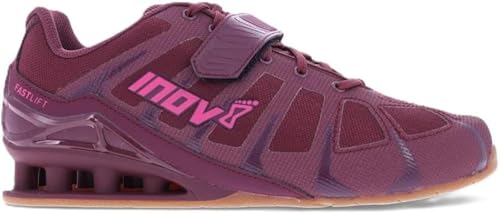
The Inov-8 Fastlift 360 is known for its lightweight design and impressive flexibility in the forefoot, making it suitable for hybrid training where some mobility is desired. It incorporates a sturdy TPU heel wedge to ensure reliable stability during lifts, striking a balance between a dedicated lifting shoe and a versatile trainer. The upper is constructed with breathable mesh and supportive overlays, secured by a single strap to provide a snug fit without excessive bulk. This shoe allows for quick transitions between different exercises.
What owners say: Owners often report that the Fastlift 360 provides a great blend of lifting stability and overall comfort for gym activities that involve more movement than just lifting. Reviewers appreciate its lighter weight and the ability to perform short walks or dynamic stretches between sets, noting it feels less restrictive than bulkier options.
- Lightweight design with good flexibility
- Stable TPU heel for effective lifting
- Breathable upper for comfort during workouts
- Less ground feel compared to stiffer shoes
- Forefoot stability is not as rigid as heavier models
Adidas Powerlift 5 Adidas Powerlift 5 Adidas Powerlift 5 Weightlifting Shoes
The Adidas Powerlift 5 is a stability-focused training shoe built with a raised, firm heel wedge to support squat depth and barbell work, based on manufacturer specs and aggregated owner reviews.
Reviewers commonly note the midfoot strap provides a locked-in feel under heavy loads, and the price sits well below dedicated Olympic weightlifting shoes while still offering meaningful heel elevation.
- Firm, elevated heel improves squat depth and ankle mobility
- midfoot strap locks the foot down under heavy load
- budget-friendly compared to Olympic lifting shoes
- Less specialized heel height than dedicated Olympic weightlifting shoes
- sizing runs narrow for some feet
How to choose
- Heel Height and Material. Weightlifting shoes typically feature an elevated, incompressible heel, ranging from 0.6 inches to 1.0 inch. A higher heel (0.8 inches or more) can benefit lifters with limited ankle mobility, allowing for a deeper squat while maintaining an upright torso. Heel materials, such as TPU, wood, or stacked leather, directly impact the shoe's firmness and durability, with TPU often favored for its consistent density.
- Stability and Sole Construction. The sole of a weightlifting shoe must be wide, flat, and entirely incompressible to provide a stable base for heavy loads. Look for shoes with a broad outsole that maximizes contact with the floor, preventing any wobble or shifting during lifts. The material should offer excellent grip to ensure your feet remain planted, regardless of the surface.
- Fit and Strapping System. A proper fit is crucial; your foot should feel snug, preventing any internal movement, but without causing discomfort or pinching. Most weightlifting shoes utilize a combination of laces and one or two hook-and-loop straps to secure the midfoot. Double strap systems typically offer more customizable and secure lockdown, which is beneficial for dynamic movements like Olympic lifts.
- Upper Material and Breathability. The upper construction affects both the shoe's durability and comfort. Common materials include synthetic leather, mesh, or proprietary fabrics that offer a balance of support and breathability. While some flexibility in the forefoot is acceptable, especially for Olympic lifting, the upper should primarily aim to hold the foot securely and withstand repeated stress.
- Intended Use and Lifting Style. Consider your primary lifting focus. Olympic weightlifters often prefer shoes with a slightly higher heel and more forefoot flexibility to accommodate complex movements. Powerlifters might favor shoes with a mid-range heel height and maximum overall rigidity for squats and deadlifts. General strength trainers may opt for a more versatile model that offers good stability without being overly specialized.
Frequently asked questions
Why do I need specific weightlifting shoes?
Dedicated weightlifting shoes provide a firm, incompressible base and an elevated heel, which significantly enhances stability and allows for a more upright torso during squats. This specialized design improves biomechanics, helps you lift heavier and safer, and translates to better power transfer directly into the ground. Regular athletic shoes often have soft, cushioned soles that absorb force and create instability.
What is the ideal heel height for weightlifting shoes?
The ideal heel height typically ranges from 0.6 to 1.0 inch (15mm to 25mm). A common standard is around 0.75 to 0.86 inches (20mm to 22mm), which suits most lifters. Lifters with limited ankle mobility might benefit from a slightly higher heel, while those with excellent mobility or who prioritize a flatter base for deadlifts might prefer a lower heel.
Can I use weightlifting shoes for other exercises like cardio or plyometrics?
Weightlifting shoes are highly specialized and not recommended for cardio, plyometrics, or general gym movements that require significant foot flexibility or cushioning. Their rigid soles and elevated heels are designed for static, heavy lifts and can impede natural foot movement, potentially increasing injury risk during dynamic activities. They are best reserved for your dedicated lifting sessions.
How do I determine the correct size for weightlifting shoes?
Weightlifting shoes should fit snugly to prevent any internal foot movement, but not so tight that they cause discomfort or restrict circulation. It is generally recommended to measure your foot and compare it to the brand's specific sizing chart. If you are between sizes, some reviewers note that sizing down slightly can provide a more secure fit, but consulting user reviews for specific models often helps clarify fit preferences.
What is the difference between Olympic lifting shoes and powerlifting shoes?
While there's overlap, Olympic lifting shoes often have a slightly higher heel and more forefoot flexibility to support the dynamic, mobile nature of snatches and clean and jerks. Powerlifting shoes, especially for squats and deadlifts, sometimes feature a slightly lower heel and prioritize maximum rigidity throughout the entire sole for static, brute force movements. However, many modern shoes are versatile enough for both.
How long do weightlifting shoes typically last?
The lifespan of weightlifting shoes depends on construction quality, frequency of use, and maintenance. High-quality shoes from reputable brands are built to be highly durable and can often last for many years of consistent training. Owners often report that premium models withstand heavy use for 5-10 years or more, making them a lasting investment in your lifting performance.
The verdict
The Nike Romaleos 4 secures its spot as the overall winner, providing exceptional stability and a rock-solid foundation for serious strength training. For those focusing on Olympic lifts and demanding more forefoot flexibility, the Reebok Legacy Lifter III is a superior choice. Meanwhile, beginners will find the VS Athletics Adidas Powerlift 5 Adidas Powerlift 5 Weightlifting Shoes an excellent and accessible entry point to specialized lifting footwear.
Related guides
 7 Best Women’s Running Shoes for Long Runs in 2026, Ranked
 7 Best Men’s Running Shoes Under 75 in 2026, Ranked7 Best Men’s Running Shoes for Morton’s Neuroma in 2026, Ranked
 7 Best boys running shoes without laces in 2026, Ranked7 Gym Shoes for High Arches in 2026, Ranked
 7 Best men’s running shoes for heavy men in 2026, Ranked