 Related pick
To choose strength training equipment, start by identifying your goals, space, and budget. Pick versatile items like dumbbells, resistance bands, and a bench that allow progression. Avoid buying gear you won't use; focus on compound exercises with adjustable or modular equipment.
Walking into the fitness aisle can feel overwhelming. Rows of dumbbells, kettlebells, bands, barbells, and machines all promise to build muscle. But not every piece of equipment is right for you. This guide cuts through the noise to help you choose strength training gear that actually matches your goals, space, and lifestyle. No hype, just honest advice from a practical perspective.
1. Start With Your Goals and Experience Level
Before you buy anything, ask yourself: What do I want from strength training? If your main goal is general fitness, toning, or weight loss, you likely don’t need a full barbell set. Bodyweight exercises, resistance bands, and a pair of adjustable dumbbells can get you very far. If you’re aiming for serious muscle growth or strength gains, you’ll want equipment that allows progressive overload over time.
Your experience level matters too. Beginners often do well with simpler gear like resistance bands or kettlebells, which help build foundational stability and coordination. Intermediate lifters may need a squat rack and barbell to safely increase weight. Be honest about how often you train and how committed you are. Buying a power rack for someone who works out twice a month is overkill.
2. Consider Your Available Space
Home gym space is a major factor. If you live in an apartment with limited square footage, look for equipment that folds, stacks, or is easily stored. Adjustable dumbbells, resistance bands, and kettlebells take up minimal space. A foldable weight bench can be tucked under a bed. For those with a dedicated room or garage, a squat stand or half rack with a barbell and plates offers more options but demands floor space for lifting.
Don’t forget about noise and floor protection. Dropping heavy dumbbells on concrete or hardwood can damage floors and disturb neighbors. Use rubber mats or horse stall mats to protect your space and dampen impact. Also, check ceiling height for overhead exercises like standing press or pull ups. You need at least 7.5 feet to safely press a barbell overhead.
3. Budget Wisely: Invest in Versatile, Durable Pieces
Your budget should guide you toward equipment that offers the most value for the most exercises. For most people, a set of adjustable dumbbells (like the PowerBlock or Bowflex types) and a sturdy adjustable bench give you hundreds of exercise options. Add a few resistance bands and a pull up bar, and you can hit every major muscle group.
Avoid cheap, flimsy gear that rattles or feels unstable. Look for solid construction: steel frames, smooth weight adjustments, and good reviews from actual users. Buying once at a reasonable quality level saves money in the long run. If your budget is tight, start with just a pair of kettlebells or a suspension trainer instead of a full barbell set. You can always expand later.
4. Key Equipment Options and What They're Best For
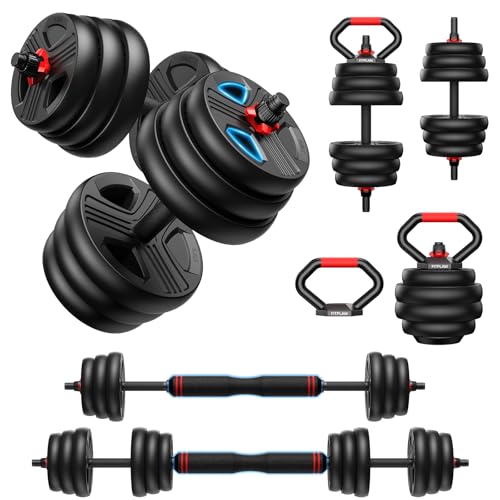
Dumbbells are the most versatile free weight. They allow unilateral training (working one side at a time) and dozens of movements. Fixed dumbbells are great but expensive and take up space. Adjustable dumbbells save space and cost less long term. Resistance bands are inexpensive, portable, and great for warm ups, assistance work, or full body routines. They provide variable resistance and are gentle on joints.
Kettlebells are excellent for explosive movements like swings, goblet squats, and Turkish get ups. A single kettlebell (say, 16 kg for women, 24 kg for men) can handle many exercises. Barbells and weight plates are essential for heavy compound lifts like squats, deadlifts, and bench press. They require a rack or stand for safety on heavier loads. Ensure you buy an Olympic barbell (2 inch sleeves) and plates that fit properly.
5. Safety, Maintenance, and Progression
Safety should never be an afterthought. For barbell training, buy or build safety spotter arms or use a power rack. For dumbbells and kettlebells, make sure your floor is clear and stable. Always check equipment for wear: loose bolts, frayed bands, or cracked plates. Maintain your gear by wiping down handles and lubricating moving parts as needed.
Finally, think about how you’ll progress. The best equipment lets you add weight or resistance in small increments. Adjustable dumbbells and bands offer fine control. For barbells, micro plates or fractional plates allow small jumps. If you plateau, adding more sets, reps, or time under tension can keep you going. The gear you choose should not limit your long term growth. Plan for where you want to be, not just where you are now.
Frequently asked questions
What is the most important strength training equipment for a beginner?
A pair of adjustable dumbbells and a sturdy weight bench offer the most versatility for beginners. They allow you to perform compound exercises like presses, rows, and squats while you learn proper form.
Can I build muscle with just resistance bands?
Yes, resistance bands can build muscle, especially for beginners. However, to keep progressing you'll need bands that provide enough tension (often multiple bands) or eventually switch to free weights.
Should I buy a barbell or dumbbells first?
Start with dumbbells for a home gym. They are safer to use alone, allow unilateral work, and take up less space (especially adjustable sets). Add a barbell later if you need to lift heavier for squats and deadlifts.
How much weight do I need for home strength training?
Begin with a range that lets you do 8 12 reps per set with moderate difficulty. For most women, that means 5 15 lb dumbbells; for men, 10 30 lb. Adjustable dumbbells that go up to 50 lb per hand cover most needs.
Looking to buy? See our Strength Training guides for tested picks.