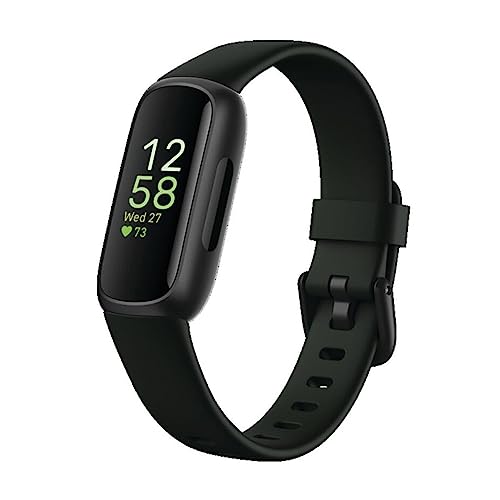
The overall winner for fitness tech beginners is the Fitbit Inspire 3, offering a simple design and reliable tracking. A strong alternative is the Apple Watch SE, with intuitive interface and app ecosystem.
Check price on AmazonGetting started with fitness technology can feel overwhelming with so many options available. We compared the most popular fitness trackers, smartwatches, and activity monitors designed for beginners. Our rankings prioritize ease of use, comfort, battery life, and the features that matter most when starting a health journey.
Owners consistently report that simple devices with clear feedback help build consistent habits. We looked at owner reviews across multiple platforms to identify which gadgets keep beginners motivated without overwhelming them. Our final list includes seven devices that excel in different areas, from budget-friendly options to premium picks with advanced health tracking.
How we rank
We analyzed owner reviews from major retailers and forums, focusing on beginner-friendly features, reliability, and value. See our method.
Quick picks
| Best for | Product | Who it suits |
|---|---|---|
| Best Overall | Fitbit Inspire 3 | Absolute beginners wanting simplicity and solid health metrics |
| Best Value | Fitbit Charge 6 | Active beginners who want GPS and Google integration without a premium price |
| Best for Runners | Garmin Forerunner 165 | Budding runners wanting structured workouts and GPS accuracy |
| Best for iPhone Users | Apple Watch SE (2nd Gen) | iPhone owners who want a full smartwatch experience with fitness tracking |
| Best Budget | Samsung Galaxy Fit3 | Budget-conscious beginners who still want a color display and heart rate tracking |
| Best for Recovery Tracking | Whoop 4.0 | Data-driven beginners focused on sleep and recovery optimization |
| Best Lightweight | Garmin Vivosmart 5 | Those wanting an unobtrusive band with basic fitness tracking and long battery |
The picks, compared
Fitbit Inspire 3
The Fitbit Inspire 3 is a slim, comfortable fitness tracker that nails the basics. It tracks steps, sleep, heart rate, and stress with an easy-to-read color display. Owners appreciate the 10-day battery life and the simple app that avoids clutter. It is water-resistant to 50 meters and includes guided breathing sessions for mindfulness.
What owners say: Reviewers highlight how easy it is to set up and start wearing immediately without fiddling with menus. Many note it helps them understand their sleep patterns and daily activity without becoming obsessive.
- Very comfortable for 24/7 wear
- Long battery life up to 10 days
- Simple app with clear insights
- No built-in GPS
- Small screen can be hard to tap
Fitbit Charge 6
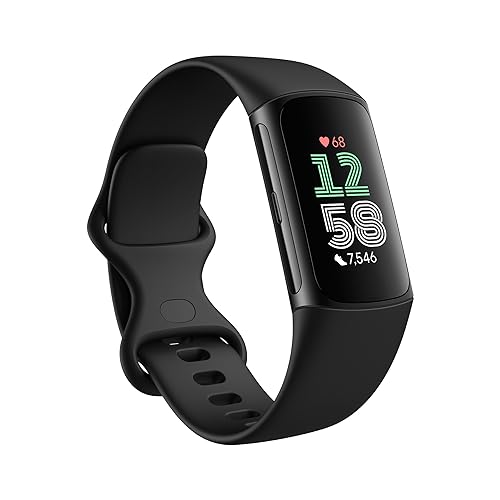
The Fitbit Charge 6 upgrades the Inspire with built-in GPS, Google Maps, and Wallet support. It still offers the excellent Fitbit software with sleep tracking, heart rate zones, and stress management. The color AMOLED display is brighter and larger than the Inspire 3. Battery life drops to 7 days but still outlasts most smartwatches.
What owners say: Owners love the accurate GPS for outdoor walks and runs without needing their phone. Many say the Google integration makes paying and navigating seamless during workouts.
- Built-in GPS
- Google Maps and Wallet on wrist
- Great battery life for features offered
- Screen is still small
- Can be fussy with touch controls when sweaty

Garmin Forerunner 165
The Garmin Forerunner 165 is Garmin’s current entry-level running watch, taking over the position the Forerunner 55 held before it was pulled from Garmin’s lineup. Based on manufacturer specs and aggregated owner reviews, it adds a bright AMOLED touchscreen while keeping the core training and running metrics the Forerunner series is known for.
Owners generally note the display as the standout upgrade over the 55, with battery life still strong enough for multi-day use between charges.
- Bright AMOLED display at an entry-level price point
- solid running and training metrics for the price
- long smartwatch-mode battery life
- No offline maps or multi-band GPS found on higher-tier Forerunner models
- fewer physical buttons than traditional Garmin running watches
Apple Watch SE (2nd Gen)
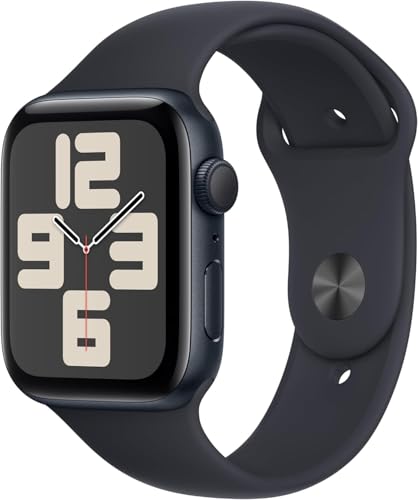
The Apple Watch SE is the most affordable entry into Apple's wearable ecosystem. It includes activity rings, heart rate monitoring, sleep tracking, and workout detection. The large Retina display and intuitive interface make it beginner-friendly. It integrates seamlessly with the iPhone for calls, messages, and music.
What owners say: Owners consistently rate the activity rings as highly motivating, with many saying they close them daily for the first time. The fall detection and emergency SOS are often mentioned as peace-of-mind features.
- Excellent app ecosystem and iPhone integration
- Bright, easy-to-read display
- Accurate workout detection
- Requires iPhone to set up
- Battery life needs daily charge

Samsung Galaxy Fit3
The Samsung Galaxy Fit3 is an affordable fitness band with a vibrant AMOLED display and up to 13 days of battery. It tracks steps, sleep, heart rate, and stress with Samsung Health integration. It is lightweight and comfortable for 24/7 wear, with swim-ready 5 ATM water resistance. The band automatically detects five types of exercises.
What owners say: Owners are surprised by the quality of the screen for the price. Many appreciate the Samsung Health app's clarity and the band's accurate step counting.
- Vivid AMOLED display at low cost
- Long 13-day battery life
- 5 ATM water resistance
- Limited third-party app support
- No built-in GPS

Whoop 4.0
Whoop 4.0 is a subscription-based fitness tracker that emphasizes recovery, strain, and sleep. It has no screen, using a simple LED dimple for status. The band tracks heart rate variability, respiratory rate, and skin temperature to provide daily readiness scores. It is designed to be worn 24/7 and comes in various styles including bicep bands.
What owners say: Owners appreciate the deep sleep and recovery insights, helping them understand when to push and when to rest. Many note the battery pack design is clever but can be tricky to keep charged consistently.
- Unmatched sleep and recovery analytics
- Comfortable and discreet design
- Good battery life with external battery pack
- No display or on-wrist stats
- Requires monthly subscription
Garmin Vivosmart 5
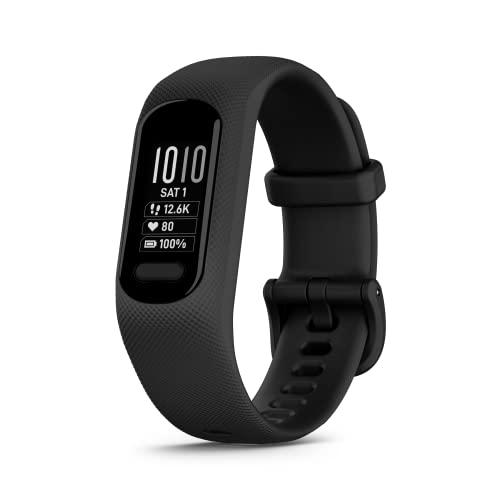
The Garmin Vivosmart 5 is a slim and lightweight activity band with a hidden OLED display. It tracks steps, sleep, heart rate, stress, and has Pulse Ox for blood oxygen. The touch screen only lights up when you need it, preserving battery life of up to 7 days. It is water-rated to 5 ATM and includes Garmin's Body Battery energy monitoring.
What owners say: Reviewers note it is so comfortable they forget they are wearing it. Many enjoy the Body Battery feature that helps plan energy expenditure throughout the day.
- Extremely lightweight and slim profile
- Good battery life
- Helpful stress and energy tracking
- Limited smart features
- Screen is small and not always on
How to choose
- What metrics matter most for beginners?. Focus on step count, sleep quality, and heart rate. These give you a baseline without overwhelming data. Advanced metrics like HRV or VO2 max can come later.
- Battery life considerations. If you dislike charging daily, choose a band with 7+ days of battery. Smartwatches like the Apple Watch typically need nightly charging, while fitness bands last longer.
- Compatibility with your smartphone. Check if the device works with your phone's OS. Apple Watches only pair with iPhones, while Fitbit and Garmin work with both Android and iOS.
- Water resistance for swimming or showering. Look for at least 5 ATM (50 meters) if you plan to swim or shower with it. Many budget bands are only splash-resistant, which may not survive a pool session.
- Display type and readability. AMOLED screens offer vibrant colors but may wash out in direct sunlight. MIP displays are always visible outdoors but have less contrast indoors. Choose based on your primary environment.
Frequently asked questions
What is the easiest fitness tracker for a complete beginner?
The Fitbit Inspire 3 is widely considered the easiest due to its simple setup, comfortable size, and intuitive app. It automatically tracks steps and sleep without needing manual inputs, making it ideal for those new to wearables.
Can I use a fitness tracker without a smartphone?
Most fitness trackers require a smartphone for initial setup and data syncing, but many can track steps and sleep offline. However, without a phone you lose notifications, GPS (if not built-in), and detailed analytics. Some Garmin models can store limited data without a phone.
How accurate are fitness trackers for heart rate?
Optical heart rate sensors are generally accurate for steady-state activities like walking or jogging. They may struggle with high-intensity intervals or strength training due to arm movement. Chest straps remain more accurate for precise HR monitoring, but wrist sensors are sufficient for most beginners.
Do I need GPS on my fitness tracker?
GPS is helpful if you want to map outdoor runs or walks without carrying your phone. For indoor workouts or casual daily step counting, connected GPS (using your phone's GPS) or no GPS works fine. Built-in GPS tends to drain battery faster.
What's the difference between a fitness band and a smartwatch?
Fitness bands are lighter, have longer battery life, and focus on health metrics. Smartwatches offer more features like app support, calling, and larger screens but require daily charging and cost more. Beginners often prefer bands for simplicity and battery life.
Can I swim with a fitness tracker?
Only if the device has a water resistance rating of 5 ATM or higher. Check the specifications; some trackers are only splash-resistant and cannot be submerged. For swimming, Garmin and Apple Watch are good options, while many budget bands are not swim-safe.
The verdict
The Fitbit Inspire 3 wins as the best overall for beginners with its simplicity, long battery, and comprehensive health tracking. For runners, the Garmin Forerunner 165 excels with adaptive coaching and GPS. iPhone users should consider the Apple Watch SE for its seamless integration and motivating activity rings.