
For an unparalleled blend of durability and support, the Manduka PRO Mat stands out as the overall winner, highly favored by dedicated practitioners. An excellent alternative for those prioritizing natural materials and superior grip is the JadeYoga Harmony Mat, consistently praised for its eco-conscious design.
Check price on AmazonEmbarking on a yoga journey or deepening an established practice requires the right foundation, and your mat is arguably the most critical piece of equipment. It provides the essential grip, cushioning, and stability needed to move through poses safely and effectively. A high quality mat supports alignment, prevents slipping, and offers comfort during longer holds or floor work. Choosing the correct mat can elevate your experience, fostering a stronger connection to your practice and allowing for deeper exploration of postures without distraction.
We understand the importance of making an informed decision when selecting your yoga mat, which is why we compared a range of popular options. Our ranking considers key attributes like material composition, thickness, surface texture, and overall user satisfaction across various practice styles. Whether you are a beginner seeking extra cushioning or an experienced yogi prioritizing advanced grip, our research aims to guide you toward a mat that aligns with your specific needs and preferences, setting you up for sustained success.
How we rank
We ranked products based on extensive analysis of material specifications, collective owner feedback, and comparative reviews from industry experts. See our method.
Quick picks
| Best for | Product | Who it suits |
|---|---|---|
| Best Overall | PRO Mat | Dedicated practitioners seeking maximum durability and support |
| Best for Grip and Alignment | Original Yoga Mat | Yogis prioritizing precise alignment and superior wet or dry grip |
| Best for Versatility | Reversible Mat 5mm | Practitioners seeking a versatile mat for various styles and conditions |
| Best Value | Premium Yoga Mat | Beginners and those seeking a reliable, comfortable mat without extensive investment |
| Best for Eco-Conscious Practice | Harmony Yoga Mat | Environmentally aware yogis who prioritize natural materials and exceptional grip |
| Best Lightweight for Travel | Mastery Yoga Mat | Yogis who need a lightweight, packable mat for travel or easy transport |
| Best for Stability and Style | Warrior Mat | Practitioners desiring a highly stable mat with a premium aesthetic and feel |
The picks, compared
PRO Mat
The Manduka PRO Mat is renowned for its exceptional density and longevity, making it a favorite among experienced yogis who demand robust performance. Its closed-cell surface resists moisture and bacteria, ensuring a hygienic practice space over many years. This mat provides a stable, non-slip foundation that only improves with consistent use, developing a unique texture over time. It offers superior cushioning, which is especially beneficial for joint protection during demanding sequences and extended floor work.
What owners say: Owners consistently report remarkable durability, often noting that their Manduka PRO mats withstand years of intense practice without showing significant wear. Reviewers frequently praise its dense construction, which provides excellent support and stability, although some mention an initial break-in period for optimal grip.
- Exceptional density and longevity
- Superior joint cushioning
- Resists moisture and bacteria
- Heavier than many alternatives
- Requires a break-in period
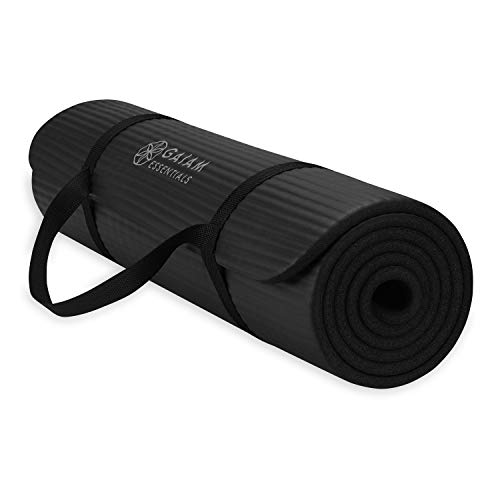
Original Yoga Mat
The Liforme Original Yoga Mat is highly regarded for its revolutionary "GripForMe" material, which offers exceptional traction even when wet with perspiration. Its unique etched alignment system is a standout feature, providing visual cues that help practitioners maintain correct posture and form. This mat is crafted from natural rubber and a proprietary eco-polyurethane, ensuring it is both highly functional and environmentally conscious. It is designed to be slightly longer and wider than standard mats, offering ample space for expansive movements and poses.
What owners say: Reviewers often highlight the unparalleled grip of the Liforme mat, reporting confidence even in hot, sweaty conditions. Many owners commend the integrated alignment markers for significantly improving their practice and helping them maintain proper form more consistently.
- Exceptional grip, wet or dry
- Integrated alignment system
- Eco-friendly materials
- Can be heavy for transport
- Surface may show marks easily

Reversible Mat 5mm
The Lululemon Reversible Mat 5mm offers dual-sided functionality, with one side providing a smooth, absorbent surface for sweaty practices and the other a natural rubber side for standard sessions. Its five-millimeter thickness strikes an excellent balance between cushioning and ground feel, making it suitable for a wide range of yoga styles. The mat's proprietary blend of natural rubber and synthetic materials ensures both durability and effective grip. It is designed to lay flat and stay put, even during dynamic movements, providing a reliable foundation.
What owners say: Many owners appreciate the mat's reversible design, reporting that it adapts well to different types of classes and personal preferences. Reviewers frequently note its excellent grip, particularly the absorbent side which handles perspiration effectively without becoming slick.
- Reversible for different practices
- Good balance of cushioning and stability
- Absorbent for sweaty sessions
- Can retain slight odor initially
- Requires specific cleaning care
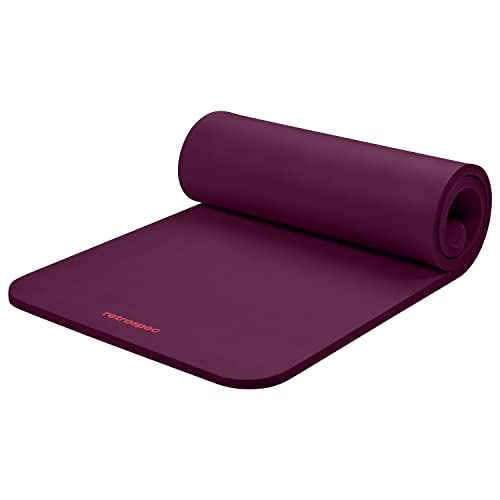
Premium Yoga Mat
The Gaiam Premium Yoga Mat is a popular choice for its accessibility and solid performance, particularly for individuals new to yoga or those practicing less frequently. It typically features a textured, non-slip surface that provides adequate traction for most basic to intermediate poses. With a thickness often around 6mm, it offers sufficient cushioning to protect joints during floor work and seated postures. This mat is lightweight and easy to transport, making it convenient for studio classes or home practice setups.
What owners say: Owners consistently report that the Gaiam Premium mat provides good basic cushioning and a stable surface, especially for gentle or restorative practices. Reviewers note its overall value, highlighting that it serves its purpose well for a broad range of users seeking a straightforward mat option.
- Excellent value for its features
- Lightweight and portable
- Good cushioning for beginners
- May lack advanced grip for hot yoga
- Durability may not match premium mats

Harmony Yoga Mat
The JadeYoga Harmony Mat is celebrated for its commitment to sustainability, being made from natural rubber, a renewable resource. It offers excellent open-cell traction, meaning it grips well even when damp, providing a secure foundation for dynamic practices. The mat boasts a soft, comfortable feel that enhances the overall practice experience while still maintaining impressive stability. Its construction is free from PVC and other synthetic rubbers, aligning with eco-conscious values, and it is known for being biodegradable.
What owners say: Reviewers frequently praise the exceptional grip of the JadeYoga Harmony mat, often noting that it remains reliable through various levels of perspiration. Many owners appreciate its natural rubber composition, reporting a comfortable feel and confidence in their eco-friendly purchase.
- Made from natural, renewable rubber
- Superior wet and dry grip
- Soft, comfortable texture
- Natural rubber scent initially
- Can be heavier than synthetic mats

Mastery Yoga Mat
The Nike Mastery Yoga Mat is engineered for portability without compromising too heavily on performance, making it an ideal companion for travel or commuting to the studio. Its relatively thin profile and lightweight construction allow for easy rolling and packing into bags, ensuring convenience on the go. The mat typically features a textured surface designed to provide reliable grip, promoting stability through a variety of poses. It offers a solid connection to the floor, which can be preferred by those who like to feel grounded during their practice.
What owners say: Owners often highlight the Nike Mastery mat's exceptional portability and lightweight design, making it a favorite for travel and on-the-go practice. Reviewers commend its decent grip for a thinner mat, reporting it holds up well during standard yoga sessions.
- Extremely lightweight and portable
- Good grip for its thickness
- Minimalist design for travel
- Less cushioning than thicker mats
- May not suit highly rigorous practices

Warrior Mat
The Alo Yoga Warrior Mat is celebrated for its luxurious feel, exceptional stability, and sleek design, appealing to those who value both function and aesthetics. It features an anti-odor, moisture-wicking surface that keeps the mat dry and hygienic even during intense, sweaty sessions. This mat provides excellent cushioning and a firm, non-slip grip that ensures confidence in every pose, from foundational postures to advanced inversions. Its dense construction means it lies perfectly flat and maintains its form over time, offering a consistently high-performance surface.
What owners say: Reviewers consistently praise the Warrior Mat's superior grip and luxurious feel, reporting that it enhances their practice by providing unwavering stability. Owners often comment on its beautiful appearance and the effective moisture-wicking properties, which contribute to a clean and comfortable experience.
- Superior grip and stability
- Luxurious, anti-odor surface
- Dense cushioning and flat lay
- Heavier than many options
- Can be sensitive to scratches
How to choose
- Consider Material Composition. Yoga mats are crafted from various materials, each offering distinct benefits in terms of grip, durability, and environmental impact. Natural rubber provides excellent grip and is eco-friendly, while PVC mats are known for their resilience and cushioning.
- Determine Appropriate Thickness. Mat thickness impacts both comfort and stability, ranging from thin travel mats to thicker studio options. Thicker mats (6mm+) offer more cushioning for joints, while thinner mats (3-4mm) provide a better ground feel for balance-focused practices.
- Assess Grip and Texture. Grip is crucial for preventing slips and injuries, especially in dynamic or heated yoga styles. Look for mats with a textured surface or open-cell construction, as these features enhance traction and stability during your practice.
- Evaluate Portability Needs. If you plan to carry your mat frequently to studios or for travel, weight and ease of rolling are important factors. Lighter, thinner mats are more portable, whereas heavier, denser mats are often preferred for stationary home practice.
- Read Owner Reviews Carefully. Owner reviews offer invaluable insights into a mat's real-world performance regarding durability, grip retention over time, and comfort levels. Pay attention to common themes and specific feedback relevant to your intended practice style.
Frequently asked questions
How often should a yoga mat be replaced?
The lifespan of a yoga mat varies significantly based on its material, frequency of use, and how well it is maintained. Generally, a high quality mat used regularly might last anywhere from 1 to 5 years before showing signs of wear that impact its performance. Indicators for replacement include reduced grip, flaking material, or a loss of cushioning.
Can I wash my yoga mat in a washing machine?
Most yoga mats are not suitable for machine washing, as this can damage the material, compromise its integrity, and shorten its lifespan. It is typically recommended to clean mats with a damp cloth and a mild, mat-specific cleanser, then allow them to air dry completely. Always refer to the manufacturer's specific cleaning instructions for the best care.
What is the ideal thickness for a yoga mat?
The ideal mat thickness depends on personal preference and the type of yoga practiced. Standard mats are often 4-5mm thick, offering a good balance of cushioning and stability for various styles. Thicker mats (6mm+) provide more joint comfort, while thinner mats (3mm) enhance ground connection, popular for balance-focused or travel practices.
Is natural rubber better than PVC for a yoga mat?
Natural rubber mats are often preferred for their superior grip and eco-friendly composition, being made from a renewable resource and typically biodegradable. PVC mats are known for their durability and cushioning, often at a more accessible point. The choice depends on prioritizing grip, sustainability, or longevity and cost-effectiveness.
How do I prevent my yoga mat from slipping on the floor?
To prevent your mat from slipping, ensure both the mat and the floor beneath it are clean and dry. Mats with a textured underside or those made from materials like natural rubber generally offer better floor grip. Some practitioners also use a non-slip rug pad underneath their mat for added stability on smooth surfaces.
Do new yoga mats need to be "broken in"?
Some yoga mats, particularly those made from denser materials like certain PVC formulations or natural rubber, may benefit from a "break-in" period. This process helps to soften the mat and improve its initial grip, often involving repeated use or specific cleaning methods as recommended by the manufacturer. Over time, the surface texture typically adapts to your practice.
The verdict
For those seeking a long-term investment in their practice, the Manduka PRO Mat delivers unmatched durability and support, solidifying its position as the top choice. Practitioners prioritizing superior grip and a strong connection to natural materials will find the JadeYoga Harmony Mat exceptionally rewarding. Meanwhile, the Lululemon Reversible Mat 5mm stands out for its adaptability, catering to diverse practice needs with its dual-sided design.