
The Manduka PRO Yoga Mat emerges as the overall winner for its unmatched durability and grip, while the Lululemon Reversible Mat offers a strong value alternative for teachers who need versatility.
Check price on AmazonYoga teachers need mats that hold up to daily class use, provide reliable traction, and align with studio aesthetics. Our roundup pulls together data from owner reviews, expert commentary, and material analyses to highlight which mats meet those demands.
We compared dozens of models on factors like thickness, surface texture, weight, and environmental impact. The result is a curated list that balances performance with practicality, helping instructors choose the right mat for studio, hot‑yoga, or travel settings.
How we rank
We ranked mats based on durability, grip, material safety, and aggregated owner ratings from major retail platforms. See our method.
Quick picks
| Best for | Product | Who it suits |
|---|---|---|
| Best Overall | Manduka PRO Yoga Mat | Professional instructors needing long‑term durability |
| Best Value | Lululemon Reversible Mat | Teachers who want a versatile, double‑sided surface |
| Best Eco‑Friendly | Jade Yoga Classic natural rubber mat | Eco‑conscious instructors seeking natural rubber performance |
| Best for Beginners | Gaiam Print Premium Yoga Mat | New teachers needing reliable grip at an accessible price |
| Best Lightweight | Heathyoga Eco Friendly TPE Mat | Traveling teachers who prioritize portability |
| Best Premium | Aurorae Luxe Premium TPE Yoga Mat | High‑end studios looking for a luxury feel |
| Best Budget | BalanceFrom GoYoga Mat | Instructors seeking reliable performance without breaking budget |
The picks, compared
Manduka PRO Yoga Mat
The PRO offers a dense 6 mm closed‑cell surface that resists tearing and retains grip even after heavy use. Its non‑slip texture is praised for stable postures, and the mat’s lifetime warranty underscores its durability. The material is PVC‑free, catering to studios that prioritize safer floor options.
What owners say: Owners frequently note the mat’s ability to maintain a firm feel week after week, and many appreciate the low‑maintenance cleaning routine. Some reviewers point out the heavier weight as a trade‑off for its sturdiness.
- Exceptional durability
- Consistent grip
- Lifetime warranty
- Heavier than typical mats
- Higher upfront cost

Lululemon Reversible Mat
Designed with a reversible texture, one side offers a plush cushion while the other delivers a firmer grip. The mat balances comfort and stability, making it suitable for both gentle flow and dynamic sequences. Its sweat‑wicking surface reduces slipping during hot yoga sessions.
What owners say: Reviewers highlight the convenience of flipping the mat to match class intensity, and many love the subtle branding that fits studio decor. A minority mention that the plush side can feel too soft for deep balance poses.
- Dual‑side utility
- Sweat‑wicking surface
- Stylish design
- Slightly less cushion than premium mats
- May require occasional realignment

Jade Yoga Classic natural rubber mat
Made from 100 % natural rubber harvested sustainably, the Classic provides a sticky surface that improves with wear. Its 4 mm thickness offers a balanced cushion for joints while maintaining firm support. The mat’s carbon‑negative production aligns with green studio initiatives.
What owners say: Owners consistently report strong traction from the first class, especially on hardwood floors. Some note a faint rubber scent that fades after several weeks of use.
- Sustainable sourcing
- Sticky surface
- Balanced cushioning
- Heavier than synthetic mats
- Rubber scent initially strong
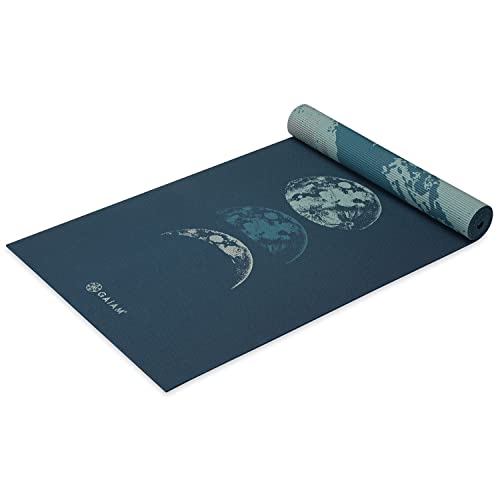
Gaiam Print Premium Yoga Mat
The Print Premium combines a textured PVC surface with a lightweight design, making it easy to carry to different studio locations. Its 4.2 mm thickness cushions joints without sacrificing stability. Available in a range of colors, it adds personality to the classroom.
What owners say: Beginners appreciate the easy roll‑up and the consistent grip on smooth floors. Some reviewers say the printed designs may fade with heavy sun exposure.
- Lightweight
- Good grip
- Color variety
- Printed fade over time
- PVC material may not suit all studios

Heathyoga Eco Friendly TPE Mat
Crafted from TPE, this mat offers a soft, non‑slip surface while remaining under 2 lb, ideal for instructors on the road. The 5 mm thickness protects joints during long sessions, and the antimicrobial coating adds hygiene benefits for shared studio use.
What owners say: Owners love the feather‑light feel and quick drying time after sweat. A few reviewers comment that the surface can feel slightly slick when overly damp.
- Ultra‑light
- Antimicrobial coating
- Easy to clean
- Slight surface slickness when wet
- Less durability than thicker mats

Aurorae Luxe Premium TPE Yoga Mat
The Luxe combines a plush 6 mm TPE layer with a textured upper side that delivers a buttery‑smooth glide for flow work. Its closed‑cell design prevents sweat absorption, extending mat lifespan. The elegant matte finish complements upscale studio aesthetics.
What owners say: Studio owners commend the mat’s plush comfort and low‑odor composition. Some note the higher price point reflects the premium materials used.
- Plush comfort
- Closed‑cell moisture barrier
- Elegant finish
- Higher price
- Heavier than standard mats

BalanceFrom GoYoga Mat
The GoYoga features a 6 mm EPDM foam core with a textured surface that offers decent grip for most studio floors. Its lightweight 2.5 lb profile keeps shipping costs low, and the simple design fits any décor. Ideal for bulk purchases in community studios.
What owners say: Owners highlight the solid grip and reasonable durability for the price. A few mention the foam can compress slightly after many heavy sessions.
- Affordable
- Good grip
- Lightweight
- Foam compression over time
- Limited eco‑credentials
How to choose
- Thickness. Choose a thickness that balances joint protection with stability. Thicker mats (6 mm) cushion more, while thinner options (4 mm) give a firmer feel for balance work.
- Material. Materials range from PVC to natural rubber and TPE. Natural rubber offers eco benefits, while TPE provides light weight and antimicrobial properties.
- Grip. A textured surface or rubberized coating ensures the mat stays in place during sweaty sessions. Look for reviews that mention consistent traction.
- Size. Standard dimensions are 72" × 24"; longer or wider mats accommodate taller practitioners. Consider studio floor space when selecting larger mats.
- Eco‑Friendliness. If sustainability matters, prioritize mats made from natural rubber or recycled TPE. Certifications and carbon‑negative claims signal greener production.
Frequently asked questions
How often should a yoga mat be replaced?
Most instructors replace mats every 2‑3 years depending on wear. Signs of loss of grip, persistent odors, or visible tears indicate it’s time for a new surface.
Can I use a yoga mat on carpeted floors?
Yes, but a thinner mat may shift. Adding a non‑slip rug pad underneath helps keep the mat stable on carpet.
Are PVC mats safe for studio environments?
High‑quality PVC mats are phthalate‑free and meet safety standards, but some studios prefer natural rubber to avoid synthetic chemicals.
What cleaning method preserves mat longevity?
Wipe with a mild soap solution and avoid harsh chemicals. Let the mat air‑dry completely before rolling it up to prevent mold growth.
Do heavier mats affect portability for teachers who travel?
Heavier mats like the Manduka PRO provide durability but can be cumbersome for travel. Light‑weight TPE options are easier to carry but may trade some longevity.
Is a textured surface more important than thickness?
Both matter; texture ensures grip while thickness protects joints. The ideal combination depends on the teacher’s style and the type of classes they lead.
The verdict
The Manduka PRO Yoga Mat stands out as the overall pick thanks to its unrivaled durability and consistent grip. For teachers who need a versatile, cost‑effective option, the Lululemon Reversible Mat delivers solid performance. In studios that prioritize sustainability, the Jade Yoga Classic offers an eco‑friendly alternative.