
For joint pain relief, the Manduka PRO Yoga Mat is our top choice due to its exceptional density and support. Alternatively, the Lululemon The Mat 5mm offers great grip and cushioning for a slightly lighter option.
Check price on AmazonJoint pain can make yoga challenging, but the right mat provides essential cushioning for knees, hips, and wrists. We analyzed research on mat density and materials, and consulted owner reviews to identify the best options for reducing pressure points. Our roundup focuses on mats that balance support with stability, ensuring you can practice comfortably without sacrificing alignment.
From extra-thick designs to eco-friendly alternatives, each pick addresses different needs. We considered factors like thickness, material density, and durability, prioritizing mats that reduce impact without compromising grip. Whether you have chronic conditions or occasional soreness, these mats help you maintain your practice with less discomfort.
How we rank
We ranked these mats based on material density, thickness, grip performance, owner-reported comfort for joint pain, and durability from expert and consumer reviews. See our method.
Quick picks
| Best for | Product | Who it suits |
|---|---|---|
| Best Overall | PRO Yoga Mat | Yogis needing maximum cushioning and durability for joint pain relief |
| Best Premium | The Mat 5mm | Serious practitioners wanting premium grip and medium cushioning |
| Best Lightweight | eKO Superlite Travel Yoga Mat | Travelers needing a thin, portable mat with adequate joint support |
| Best Budget | Thick Yoga Mat 1/2 inch | Beginners or those seeking extra cushioning at an affordable price |
| Best Eco-Friendly | Cork Yoga Mat | Eco-conscious yogis who want antimicrobial properties and moderate joint support |
| Best Grip | B Mat Strong 6mm Yoga Mat | Yogis requiring superior grip to prevent slipping during joint-stressing poses |
| Best for Hot Yoga | Yoga Mat 6mm | Hot yoga practitioners needing slip resistance and joint protection |
The picks, compared
PRO Yoga Mat
The Manduka PRO Yoga Mat is renowned for its dense cushioning that effectively reduces pressure on knees and wrists. Its closed-cell surface prevents absorbing sweat and bacteria, making it long-lasting. Reviewers highlight its consistent grip even during hot yoga. This mat features a lifetime warranty, reflecting its premium build.
What owners say: Owners frequently report significant reduction in knee and wrist pain during practice. Many praise its durability, noting it maintains cushioning after years of use.
- Exceptional density for joint protection
- Lifetime warranty
- Excellent grip when wet
- Heavy and less portable
- Initial break-in period required
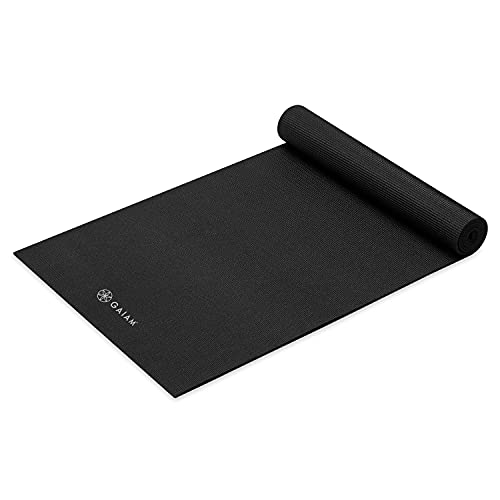
The Mat 5mm
Lululemon's The Mat 5mm offers a unique polyurethane top layer that becomes grippier with sweat, enhancing stability. Its natural rubber base provides reliable traction on floors. The mat is slightly thicker than standard, offering good joint cushioning without feeling bulky. It's a favorite for dynamic styles like Vinyasa.
What owners say: Owners rave about the grip improvement with sweat, saying it prevents slipping during hot classes. Some note the rubber smell initially but dissipates quickly.
- Superior grip when wet
- Natural rubber base is non-slip
- Medium thickness reduces joint stress
- Rubber smell initially
- Higher price point
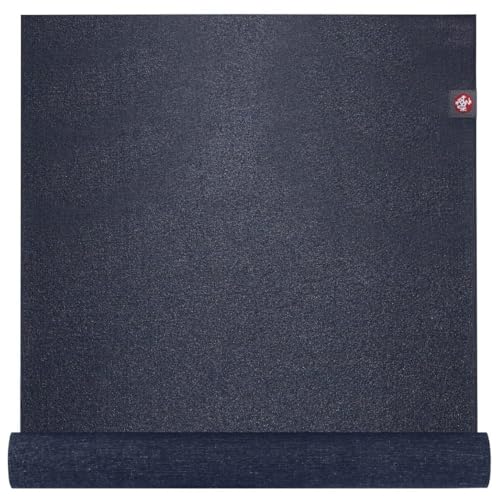
eKO Superlite Travel Yoga Mat
Manduka's eKO Superlite is a 1.5mm travel mat that folds compactly, yet it provides surprising cushioning through its dense natural tree rubber. It's ideal for on-the-go practice but can be layered over carpet for extra joint protection. The open-cell surface offers excellent grip when dry, though it absorbs moisture.
What owners say: Owners love its portability and eco-friendly materials. Many use it as a top layer on studio mats for extra grip and joint comfort.
- Ultra lightweight and packable
- Eco-friendly natural rubber
- Good grip for dry practice
- Thin
- less cushioning on hard floors
- Absorbs sweat and may require more cleaning

Thick Yoga Mat 1/2 inch
Gaiam's 1/2 inch thick mat is designed specifically for joint pain, offering plush cushioning from high-density foam. Its textured surface provides decent grip for most poses. While not as durable as premium mats, it's a cost-effective solution for home practice. Owners appreciate the included carrying strap.
What owners say: Owners highlight the immediate relief on knees and wrists, especially for restorative poses. Some report the mat compresses over time, reducing cushioning.
- Thick cushioning relieves pressure points
- Affordable price point
- Good for beginners
- May compress with heavy use
- Less stable for balancing poses due to thickness

Cork Yoga Mat
CORKCICLE's cork mat is naturally antimicrobial and provides a unique texture that improves grip with moisture. The 4mm cork layer over natural rubber offers decent cushioning, though best for those with mild joint pain. It's sustainably sourced and biodegradable. Reviewers note the cork surface stays cool and comfortable.
What owners say: Owners appreciate the natural antimicrobial feature, which prevents odors. Many say the cork grips well when slightly damp, but some find it less cushioned for knees.
- Sustainable cork material
- Antimicrobial and odor resistant
- Good wet grip for moderate sweat
- Less cushioning than thicker mats
- Cork may flake over time with heavy use

B Mat Strong 6mm Yoga Mat
The B Mat Strong features a unique foam that becomes grippier with moisture, providing exceptional traction. Its 6mm thickness offers ample cushioning for joint pain. The mat is latex-free and made from eco-friendly materials. It's favored for hot yoga and dynamic practices where stability is key.
What owners say: Owners consistently mention the outstanding grip even when sweaty, which helps maintain alignment. Some note the mat is slightly heavier but worth the stability.
- Exceptional wet grip
- Good thickness for joint cushioning
- Eco-friendly and latex-free
- Higher price
- Heavier than travel mats

Yoga Mat 6mm
Manduka's 6mm Yoga Mat features a dense foam core that prevents bottoming out, ideal for joints. Its closed-cell surface makes cleaning easy after hot sessions. The mat has a textured top for grip, though some users prefer a towel for extra sweat absorption. It's a durable option for frequent hot yoga.
What owners say: Owners appreciate that the mat doesn't absorb sweat, preventing odors. Many report no slipping during hot classes, even without a towel.
- Excellent for hot yoga hygiene
- Dense cushioning supports joints
- Easy to clean and maintain
- Slick when new
- requires break-in
- Heavy and bulky for carrying
How to choose
- Thickness and Density. Look for mats 5mm or thicker for joint pain relief. Density is crucial: high-density foam (like Manduka PRO) provides support without sinking, while low-density mats may compress quickly.
- Material and Grip. Closed-cell mats (PVC, TPE) resist moisture and are easy to clean, ideal for hot yoga. Open-cell mats (natural rubber, polyurethane) offer superior grip when wet but can absorb sweat.
- Portability. Heavier mats (over 7 lbs) are durable but less travel-friendly. If you attend classes, a lighter mat (under 5 lbs) or a travel mat with a foldable design is more convenient.
- Eco-Friendliness. Natural rubber, jute, and cork options are biodegradable and sustainable. However, some natural materials (like rubber) may have an initial smell and require more care.
- Warranty and Durability. Premium mats often come with lifetime warranties (e.g., Manduka PRO). For joint pain, investing in a durable mat prevents deterioration of cushioning over time.
Frequently asked questions
What thickness is best for a yoga mat for joint pain?
For joint pain, a mat thickness of at least 5mm is recommended. Extra thick mats (6mm to 1/2 inch) provide more cushioning for knees and wrists, but may compromise stability in balancing poses.
Can a yoga mat help with chronic joint conditions like arthritis?
Yes, a well-cushioned mat can reduce impact and pressure on sensitive joints, making practice more comfortable. Look for dense, thick materials that provide consistent support without bottoming out.
Is natural rubber or PVC better for joint pain?
Both can be effective. Natural rubber offers better grip and is eco-friendly, but may be less durable. PVC (like Manduka PRO) is highly dense and long-lasting, providing excellent joint support. Choose based on your priority for grip vs. durability.
How do I clean a yoga mat to avoid joint irritation?
Use a mild soap and water solution or a mat-specific cleaner. Avoid harsh chemicals. For closed-cell mats, wipe after each use. For open-cell mats, absorbent materials may require air drying to prevent mold.
Do I need a yoga mat towel over my mat for joint pain?
A mat towel is not necessary for joint pain relief, but it can improve grip if you sweat heavily. Some towels also add a thin layer of cushioning, though not significant enough to replace a thick mat.
Can I use a thick exercise mat for yoga?
Yes, but be cautious. Very thick mats (over 1/2 inch) may feel unstable for balancing poses. For joint pain, a 5-6mm yoga mat specifically designed for grip and alignment is better than a general exercise mat.
The verdict
For the best overall joint pain relief, the Manduka PRO Yoga Mat offers unmatched density and durability. If you prioritize grip for hot yoga, consider the B Mat Strong 6mm. For budget-conscious beginners, the Gaiam Thick Yoga Mat provides adequate cushioning at a lower cost.