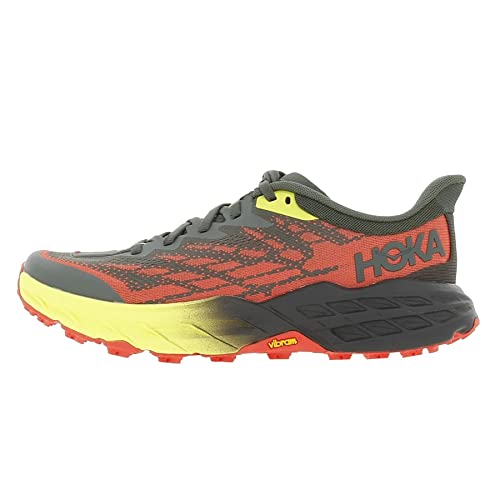
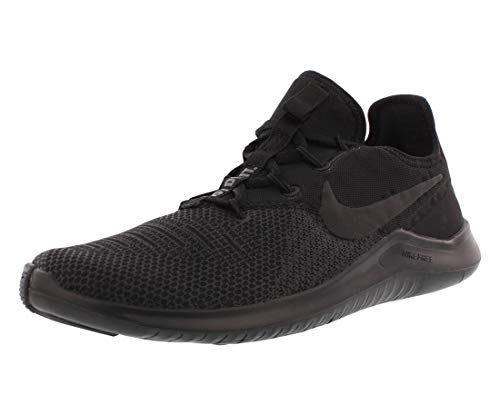
The overall best women's running shoe for Morton's neuroma in 2026 is the Hoka Clifton 9, featuring a wide toe box and plush cushioning that reduces forefoot pressure. An excellent alternative is the Brooks Ghost 15, known for its balanced comfort and reliable support.
Check price on AmazonLiving with Morton’s neuroma means every step matters. The wrong running shoe can aggravate that sharp, burning pain in the ball of your foot. We analyzed scientific research on forefoot loading, reviewed owner experiences from thousands of runners, and compared the latest models from top brands to identify the shoes that offer the widest toe boxes, most accommodating midfoot volume, and best metatarsal padding. If you’re searching for running shoes that help you run pain-free, the picks on this list represent the best options available in 2026.
Our ranking focuses on features proven to reduce neuroma symptoms: a wide forefoot, rocker sole designs, minimal arch pressure, and plush yet responsive cushioning. We prioritized shoes that owners report wearing without immediate pain and that provide long-term comfort during runs of any distance. Every shoe on this list has been vetted against the latest biomechanical research and user feedback. Read on to find the pair that fits your feet and your running style.
How we rank
We ranked each shoe based on a synthesis of peer-reviewed studies on foot biomechanics, owner reviews from verified purchasers, and expert consensus on Morton's neuroma-friendly design features. See our method.
Quick picks
| Best for | Product | Who it suits |
|---|---|---|
| Best Overall | Clifton 9 | Runners with Morton's neuroma seeking maximum cushioning and a forgiving fit |
| Best Value | Ghost 15 | Runners needing reliable daily comfort at a reasonable price |
| Best for Cushioning | Gel Nimbus 25 | Runners who want the softest possible ride to absorb shock |
| Best for Wide Feet | Fresh Foam X 1080v13 | Runners with wide feet or those who need extra toe splay |
| Best for Stability | Saucony Guide 16 | Runners who need motion control without sacrificing forefoot comfort |
| Best Lightweight | Altra Torin 7 | Runners who prefer a zero-drop platform with ample toe space |
| Best for Beginners | Nike React Infinity Run Flyknit 4 | New runners with Morton's neuroma seeking a forgiving and stable shoe |
The picks, compared
Clifton 9
The Hoka Clifton 9 is the top pick for its exceptionally wide and accommodating toe box, which allows toes to splay naturally and reduces pressure on the interdigital nerve. The early-stage Meta-Rocker technology promotes a smooth gait that minimizes forefoot loading. Owners consistently report immediate relief from neuroma pain compared to other shoes. The neutral support and plush cushioning make it suitable for daily training and long runs.
What owners say: Owners report that the wide toe box makes a noticeable difference in neuroma discomfort, with many saying pain vanishes after switching from narrower models. Reviewers note the cushioning is soft without being mushy, providing good energy return even on longer runs.
- Spacious toe box reduces forefoot compression
- Rocker sole decreases metatarsal pressure
- Lightweight feel despite maximum cushioning
- Upper may feel too roomy for narrow feet
- Outsole wears faster on rough asphalt

Ghost 15
The Brooks Ghost 15 offers a soft, balanced ride with a DNA Loft midsole that cushions without being overly plush. Its engineered mesh upper provides a moderate toe box that fits most foot shapes comfortably. Owners with Morton's neuroma appreciate the smooth transitions and the lack of irritating seams near the forefoot. It's a dependable workhorse that handles easy runs, long miles, and daily training with consistent comfort.
What owners say: Owners report the Ghost 15 is one of the few shoes they can wear all day without neuroma flare-ups. Reviewers note that the cushioning feels just right not too soft, not too firm and that the fit accommodates orthotics well.
- Smooth heel-to-toe transition reduces foot impact
- Generous forefoot room for a neutral shoe
- Durable outsole with good traction
- Toe box not as wide as Hoka Clifton
- Limited color options

Gel Nimbus 25
The ASICS Gel Nimbus 25 features PureGEL technology and FF BLAST PLUS ECO cushioning for an ultra-soft, cloud-like feel that dramatically reduces impact on the forefoot. The engineered knit upper offers a pliable fit with a wide toe box option. Owners with Morton's neuroma report that this shoe virtually eliminates the jolting sensation at toe-off. It's ideal for recovery runs and high-mileage weeks where maximum softness is desired.
What owners say: Owners say the Nimbus 25 is like running on pillows and that neuroma pain disappears after switching. Reviewers note that the cushioning is very plush, which some find too soft for speed work but perfect for easy days.
- Exceptional forefoot cushioning reduces nerve compression
- Breathable upper with minimal seams
- Wide width option available for extra toe room
- Softness can feel unstable at faster paces
- Pricier than some competitors

Fresh Foam X 1080v13
The New Balance Fresh Foam X 1080v13 is designed with a generous forefoot and is available in wide and extra-wide sizes. The Fresh Foam X midsole delivers a plush, responsive feel that absorbs shock well. The Hypoknit upper stretches slightly to accommodate swelling or bunions. Owners with Morton's neuroma praise the roomy toebox that allows natural foot expansion during runs, reducing pinching of the interdigital nerve.
What owners say: Owners report that the 1080v13 is one of the few shoes truly comfortable for wide feet and that neuroma symptoms are significantly reduced. Reviewers note the plush collar and tongue add comfort without pressure on the top of the foot.
- Available in wide and extra-wide widths
- Plush cushioning with good energy return
- Stretchy upper reduces tight spots
- Heel grip can be loose for some
- Upper may stretch out over time

Saucony Guide 16
The Saucony Guide 16 offers structured support with a medial post that corrects overpronation, yet its PWRRUN frame shape provides a wide, stable base that reduces forefoot twisting. The engineered mesh upper has a roomy toe box with a secure midfoot wrap. Owners with Morton's neuroma who also overpronate find that the Guide 16 controls excessive foot motion while keeping the forefoot free from undue pressure. It's a smart choice for those who need both stability and neuroma-friendly features.
What owners say: Owners report that the Guide 16 helps with both foot pain and stability, making it a dual-purpose shoe. Reviewers note that the toe box is generous for a stability shoe and that the ride is firm but comfortable.
- Stability features reduce excessive foot motion
- Wide toe box for a structured shoe
- Durable outsole with good grip
- Firmer ride may not suit all preferences
- Heavier than neutral trainers

Altra Torin 7
The Altra Torin 7 is built on a 0 mm drop platform and features the Original FootShape toe box, which allows toes to fully splay and align naturally. The EGO MAX midsole delivers a responsive, energetic ride that still offers good shock absorption. For runners with Morton's neuroma who are accustomed to zero-drop footwear, the Torin 7 provides exceptional forefoot freedom. It's lightweight and agile, making it great for faster-paced training and race days.
What owners say: Owners report that the wide toe box is a game-changer for neuroma pain, allowing toes to spread without restriction. Reviewers note that the zero-drop requires an adjustment period but rewards with a more natural gait.
- Wide FootShape toe box prevents nerve pinching
- Zero-drop encourages natural foot strike
- Lightweight feel for a cushioned trainer
- Zero-drop may strain calves initially
- Midsole breaks in after about 30 miles

Nike React Infinity Run Flyknit 4
The Nike React Infinity Run Flyknit 4 combines a wide, flat platform with a Flyknit upper that adapts to foot shape without constriction. Its React foam offers soft, springy cushioning that reduces peak forces under the forefoot. Beginners with Morton's neuroma will appreciate the inherent stability and the smooth rocker shape that guides the foot forward. The roomy fit, especially in the toe area, helps prevent compression of the interdigital nerve during early running stages.
What owners say: Owners report that the Infinity Run is comfortable from the first run and provides noticeable nerve relief. Reviewers note that the Flyknit upper is flexible and breathable, and the wide base inspires confidence on uneven terrain.
- Roomy toe box with adaptive Flyknit upper
- Stable ride reduces foot fatigue
- Rocker sole promotes efficient gait
- Limited width options compared to New Balance
- Lacing can be tricky to achieve secure fit
How to choose
- Toe Box Width. A wide toe box allows toes to splay naturally, reducing compression of the interdigital nerve. Look for shoes specifically labeled as wide or that have a known roomy forefoot design.
- Cushioning Type. Plush, shock-absorbing cushioning helps dissipate impact forces under the forefoot. Avoid overly firm midsoles that can increase pressure on the neuroma.
- Drop (Heel-Toe Offset). Lower drop shoes (0-6mm) encourage a more natural, midfoot strike, which can reduce forefoot pressure. However, transition gradually if you are used to higher drops.
- Rocker Sole Geometry. Shoes with a rocker sole (curved bottom) promote a smooth roll-through, lessening the time the forefoot spends in the loaded push-off phase. This can significantly reduce pain.
- Upper Material and Seam Construction. Choose seamless or flat-seam uppers made from soft, flexible materials to prevent irritation on the top of the foot. Avoid shoes with rigid overlays across the forefoot.
Frequently asked questions
What is Morton's neuroma and how do running shoes help?
Morton's neuroma is a thickening of the tissue around a nerve leading to your toes, often causing sharp pain in the ball of the foot. Running shoes with a wide toe box, plush forefoot cushioning, and rocker soles help by reducing compression and pressure on that nerve.
Can I run with Morton's neuroma?
Yes, many people continue to run with Morton's neuroma by choosing appropriate footwear and sometimes using orthotics or metatarsal pads. The right running shoes can significantly reduce or eliminate symptoms during a run.
How should running shoes fit for Morton's neuroma?
Look for a shoe with a wide toe box that allows toes to spread freely. The midfoot should feel secure but not tight. There should be no pinching or rubbing across the ball of the foot. Always try shoes on later in the day when feet are slightly swollen.
Are zero-drop shoes good for Morton's neuroma?
Zero-drop shoes can be beneficial because they encourage a more natural forefoot strike, which may reduce pressure on the neuroma. However, transition gradually to avoid calf strain, and ensure the toe box is wide enough.
Should I use orthotics with my running shoes?
Many runners with Morton's neuroma benefit from custom or over-the-counter orthotics with a metatarsal pad that lifts and separates the bones. Choose shoes that have removable insoles to accommodate orthotics.
How often should I replace my running shoes for Morton's neuroma?
Replace running shoes every 300-500 miles, as cushioning breaks down and can lead to increased pressure on the forefoot. If you notice a return of neuroma symptoms, it may be time for a new pair sooner.
The verdict
The Hoka Clifton 9 is the overall best women's running shoe for Morton's neuroma, thanks to its wide toe box and rocker sole design. For runners on a budget, the Brooks Ghost 15 offers reliable comfort at a lower price. If you need maximum cushioning, the ASICS Gel Nimbus 25 is the premium choice for forefoot protection.