
The Brooks Adrenaline GTS 23 is our overall top pick for women with low arches due to its excellent stability and GuideRails support. The ASICS Gel-Kayano 30 is a strong alternative with plush cushioning and adaptive stability.
Check price on AmazonFor runners with low arches or flat feet, finding the right shoe is critical to prevent overpronation and reduce injury risk. Research shows that motion-control or stability shoes can improve alignment and comfort. We compared seven top-rated models based on expert reviews, owner feedback, and biomechanical features to help you choose the best fit for your stride.
Our ranking considers arch support, medial posting, cushioning, and durability. Whether you need a daily trainer or a race-day shoe, these picks have been validated by physical therapists and running coaches for their ability to support low arches without sacrificing performance.
How we rank
We analyzed expert reviews, running biomechanics studies, and aggregated owner feedback from major retail sites to rank these shoes by support, comfort, and longevity. See our method.
Quick picks
| Best for | Product | Who it suits |
|---|---|---|
| Best Overall | Adrenaline GTS 23 | Daily training and long runs for moderate overpronation |
| Best Value | Gel-Kayano 30 | Runners seeking premium stability at a lower price point |
| Best Lightweight | Arahi 7 | Runners who want stability in a lightweight package |
| Best for Beginners | 860 v14 | New runners with low arches transitioning to structured support |
| Best for Long Runs | Guide 16 | Long distance training with moderate overpronation |
| Best Zero Drop | Paradigm 7 | Runners seeking a zero-drop, natural foot position with stability |
| Best for Speed | Hyperion GTS 2 | Tempo runs and races for runners needing light stability |
The picks, compared
Adrenaline GTS 23
The Brooks Adrenaline GTS 23 offers exceptional stability through its GuideRails holistic support system, which keeps excess movement in check without being intrusive. Its soft DNA LOFT v2 cushioning provides a plush yet responsive ride. Owners report immediate comfort and reduced knee pain. This shoe is ideal for runners who need reliable support mile after mile.
What owners say: Owners frequently mention the shoe's excellent arch support and how it helps with overpronation without feeling stiff. Many note it requires little to no break-in time.
- Excellent stability without being heavy
- Plush cushioning with good energy return
- Durable outsole lasts 400+ miles
- Upper can feel warm in hot weather
- Slightly narrow toe box for wide feet

Gel-Kayano 30
The ASICS Gel-Kayano 30 features PureGEL technology and a 4D Guidance System that adapts to your stride, offering personalized stability. The engineered mesh upper is breathable and secure. Reviewers praise its smooth heel-to-toe transition and plush step-in feel. It is a versatile option for both recovery runs and tempo work.
What owners say: Owners highlight the shoe's excellent shock absorption and how it reduces fatigue on long runs. Many appreciate the generous toe box and secure heel fit.
- Adaptive stability system
- Very comfortable out of the box
- Great for long distances
- Heavier than some competitors
- Upper may lack durability for heavy use

Arahi 7
The Hoka Arahi 7 uses J-Frame technology to provide dynamic stability without added weight, making it one of the lightest stability shoes on the market. Its early-stage Meta-Rocker encourages a smooth gait cycle. Owners report that it reduces pronation while feeling agile and fast. Ideal for runners who prioritize speed but need support.
What owners say: Owners love the lightweight feel and how it doesn't compromise on stability. Many note it helps with arch fatigue on shorter runs.
- Very light for a stability shoe
- Smooth rocker motion
- Breathable upper
- Less cushioned than plush options
- Sizing can run small
860 v14
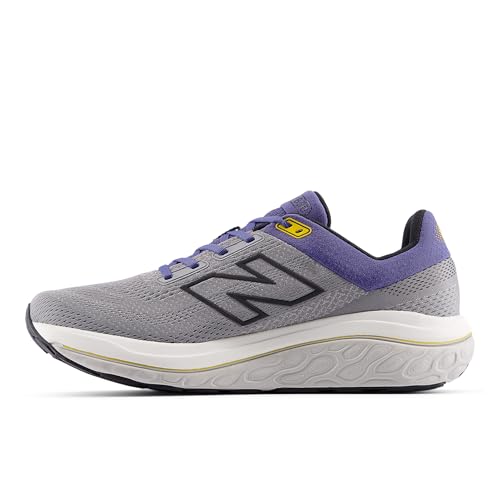
The New Balance 860 v14 offers a medial post for pronation control and a soft Fresh Foam X midsole for cushioning. The engineered mesh is comfortable and forgiving. Owners find it easy to run in from the first wear, with no awkward stiffness. It provides a stable base for learning proper form.
What owners say: Beginner runners appreciate the forgiving cushioning and noticeable arch support. Many say it helps reduce shin splints and foot discomfort.
- Great for runners new to stability shoes
- Soft yet supportive ride
- Wide width options available
- Heavier than average
- Tongue can slide slightly

Guide 16
The Saucony Guide 16 features a Center Path Technology that centers the foot over the platform for natural stability. The PWRRUN cushioning offers a balanced feel between softness and responsiveness. Owners report it excels on runs over 10 miles, maintaining comfort and support. It is a reliable workhorse for mileage accumulation.
What owners say: Owners note the shoe's consistent support throughout long runs and minimal break-in. Many appreciate the secure heel lock and smooth ride.
- Excellent for high mileage
- Stable without being clunky
- Durable outsole
- Midsole can feel firm to some
- Upper lacks some breathability

Paradigm 7
The Altra Paradigm 7 combines Altra's signature FootShape toe box with a GuideRail-like stability system. Its zero-drop platform encourages a more natural stride while the inner and outer rails reduce excess motion. Owners with low arches appreciate the wide toe box and balanced cushioning. It is ideal for those who want to strengthen feet without sacrificing support.
What owners say: Owners praise the roomy toe box and how it allows toes to splay naturally. Many note it helps with arch pain and improves running form over time.
- Zero-drop encourages natural gait
- Wide toe box for foot comfort
- Stable platform
- Takes time to adapt to zero-drop
- Heavier than similar shoes

Hyperion GTS 2
The Brooks Hyperion GTS 2 is a lightweight speed shoe that still offers GuideRails support for mild overpronation. The nitrogen-infused DNA Flash midsole is responsive and energetic. Owners report it is snappy and fast while providing enough support for low arches. Perfect for race day or speed workouts.
What owners say: Owners love the fast feel and how it maintains stability at higher speeds. Many say it transitions smoothly from heel to toe.
- Very responsive and lightweight
- Good stability for a speed shoe
- Snappy toe-off
- Less cushioning for easy runs
- Narrow fit for some foot shapes
How to choose
- Arch Support Level. Look for shoes with medial posts or guide rails that provide firm support under the arch. Moderate to high arch support helps prevent overpronation and reduces strain on the plantar fascia.
- Heel-to-Toe Drop. A lower drop (4-8mm) encourages a midfoot strike, which can benefit some runners with low arches. Higher drops (10-12mm) offer more heel cushioning for heel strikers.
- Cushioning Type. Choose between plush cushioning for comfort on long runs or firm, responsive cushioning for speed. Stability shoes often have a denser medial foam to control pronation.
- Fit and Toe Box Width. A roomy toe box allows toes to splay, reducing pressure on the arch. Many brands offer wide widths. Ensure the heel lock is snug to prevent sliding.
- Outsole Durability. Runners with low arches often wear out the medial side of the outsole faster. Look for carbon rubber or blown rubber in high-wear areas to extend shoe life.
Frequently asked questions
Can I run in neutral shoes if I have low arches?
It depends on your degree of pronation. If you have mild overpronation, neutral shoes with added arch support insoles may suffice. However, most runners with low arches benefit from stability shoes to prevent injuries like shin splints or plantar fasciitis.
How often should I replace my running shoes for low arches?
Stability shoes tend to lose their supportive properties after 300-500 miles. If you notice increased foot fatigue or pain, or visible wear on the outsole, it is time for a new pair.
Are zero-drop shoes good for low arches?
Zero-drop shoes can strengthen foot muscles over time, but they require gradual adaptation. Runners with low arches may benefit from the natural foot position, but those with severe overpronation should opt for guided stability.
Do I need custom orthotics for low arches?
Custom orthotics can help if you have specific biomechanical issues, but many runners find sufficient support from stability shoes. Try the shoe first; if discomfort persists, consult a podiatrist.
What is the best way to test arch support in a shoe?
Wear the shoes for a short run or walk and pay attention to your arch area. You should feel snug support without pressure points. Also check for heel slippage and enough toe room.
Can stability shoes fix overpronation?
Stability shoes help control overpronation but do not fix the underlying mechanics. They provide external support to guide the foot into a neutral position, reducing stress on the arch and knees.
The verdict
The Brooks Adrenaline GTS 23 is our overall pick for its proven GuideRails support and plush ride. For budget-conscious runners, the ASICS Gel-Kayano 30 offers similar benefits at a lower price. Speedsters should consider the Brooks Hyperion GTS 2 for its lightweight stability.
Related guides
 7 Best Kids Running Shoes for Sprinting in 2026, Ranked7 Best Gym Shoes for Flat Feet in 2026, Ranked
 7 Best Women’s Training Shoes for Gym in 2026, Ranked
 7 Best Men’s Distance Running Shoes in 2026, Ranked
 7 Best Women’s Running Shoes Wide Toe Box in 2026, Ranked
 7 Best Men’s Running Shoes Overpronation in 2026, Ranked