
The Hoka Gaviota 5 is widely recognized as the best overall women's running shoe for IT band syndrome due to its maximum cushioning and robust stability features. A strong alternative is the Brooks Adrenaline GTS 23, offering reliable GuideRails technology for consistent support without sacrificing comfort, making it a dependable choice for many runners.
Check price on AmazonIliotibial band syndrome (ITBS) is a common overuse injury among runners, characterized by pain on the outside of the knee. This condition often stems from repetitive knee flexion and extension, leading to friction and inflammation of the IT band. While strengthening exercises and proper stretching are crucial for recovery and prevention, the right running shoes play a significant role in managing and mitigating symptoms by providing appropriate support, cushioning, and stability to promote better running mechanics.
Choosing shoes that adequately support your foot type and stride can help reduce undue stress on the IT band. For runners prone to ITBS, understanding shoe features like stability, cushioning, and heel-to-toe drop is paramount. Our comprehensive comparison aims to highlight the top women’s running shoes that incorporate these critical elements, assisting runners in finding footwear designed to help alleviate IT band discomfort and enhance their running experience in 2026.
How we rank
We compared extensive product data and analyzed hundreds of owner reports and expert reviews from reputable sources to rank these shoes. See our method.
Quick picks
| Best for | Product | Who it suits |
|---|---|---|
| Best Overall | Gaviota 5 | Runners seeking maximum cushioning and superior stability for long distances or daily training. |
| Best for Stability | Adrenaline GTS 23 | Runners needing dependable stability and balanced cushioning for everyday training and varied distances. |
| Best Value | Guide 16 | Runners seeking moderate stability and reliable performance at a more accessible price point for daily miles. |
| Best for Maximum Support | GEL-Kayano 30 | Overpronators requiring high levels of adaptive stability and plush cushioning for long runs and recovery. |
| Best for Everyday Runs | Fresh Foam X 860v13 | Runners needing firm, consistent stability and balanced cushioning for daily training and moderate mileage. |
| Best for Responsive Stability | Wave Inspire 19 | Runners who desire a balance of moderate stability and a more responsive, energetic feel for daily training. |
| Best for Natural Gait | Provision 7 | Runners who prefer a zero-drop platform and a wide toe box, seeking natural stability and alignment. |
The picks, compared
Gaviota 5
The Hoka Gaviota 5 stands out as a top contender for runners dealing with IT band syndrome, offering an unparalleled blend of maximal cushioning and inherent stability. It features Hoka's signature J-Frame technology, which guides the foot without overcorrecting, providing crucial support for overpronators. The shoe's wide base and plush midsole work together to absorb impact effectively, reducing the strain that can contribute to ITBS. Owners report that the generous cushioning feels like running on clouds, making it suitable for high mileage or recovery runs. Its robust design is engineered to deliver a stable and comfortable ride, promoting consistent foot alignment throughout the stride.
What owners say: Owners consistently report a significant reduction in joint pain and overall discomfort, particularly in the knees and hips, after switching to the Gaviota 5. Many highlight its exceptional shock absorption and the sense of security provided by its stable platform, which allows them to run longer with less apprehension about IT band flare-ups. Reviewers often note that the shoe feels surprisingly lightweight given its substantial build, contributing to a more enjoyable running experience.
- Exceptional maximal cushioning reduces impact significantly.
- J-Frame stability technology guides the foot gently and effectively.
- Wide base provides a naturally stable and secure feel.
- The bulky design might feel excessive for some runners.
- Upper materials may feel less breathable compared to lighter models.

Adrenaline GTS 23
The Brooks Adrenaline GTS 23 continues its legacy as a reliable workhorse for stability, making it an excellent option for addressing IT band syndrome. Its signature GuideRails support system keeps excess movement in check by supporting the feet, knees, and hips, rather than traditional posting. This 'holistic support' approach helps maintain natural stride alignment, reducing the common causes of ITBS. The shoe offers a balanced blend of soft cushioning and responsiveness, suitable for a wide range of training runs. Owners report that the GTS 23 provides a secure and comfortable fit, enhancing confidence with each step.
What owners say: Owners frequently praise the Adrenaline GTS 23 for its consistent and unobtrusive stability, noting that the GuideRails provide support without feeling rigid. Many have reported a noticeable decrease in knee and hip pain, attributing it to the shoe's ability to keep their gait aligned. Reviewers appreciate the shoe's durability and comfort for daily use, often citing it as their go-to choice for preventing IT band irritation.
- GuideRails technology offers holistic and adaptable support.
- Balanced cushioning provides a comfortable yet responsive ride.
- Durable construction ensures longevity for consistent training.
- May not be soft enough for runners desiring maximal cushioning.
- Design updates are often incremental rather than revolutionary.

Guide 16
The Saucony Guide 16 offers a commendable blend of stability and comfort, positioning itself as an excellent value option for runners managing IT band syndrome. It features a supportive frame that gently guides the foot through the gait cycle, helping to reduce excessive pronation without feeling overly intrusive. The PWRRUN cushioning provides a responsive yet protective feel underfoot, which is crucial for absorbing impact and mitigating stress on the IT band. Its reliable construction and thoughtful design make it a dependable choice for everyday training. Owners appreciate its versatility for various run types and its capacity to deliver consistent support.
What owners say: Owners report that the Guide 16 delivers consistent stability that helps alleviate common running aches, including IT band discomfort, making it a solid daily trainer. Many commend its comfortable fit and the effective balance of cushioning and support, stating it feels supportive without being cumbersome. Reviewers often highlight its durability and the overall quality provided for its price point, making it a popular choice for budget-conscious runners.
- Supportive frame effectively guides the foot to reduce pronation.
- PWRRUN cushioning offers a good balance of responsiveness and protection.
- Offers excellent value with reliable performance for everyday training.
- Cushioning may not be plush enough for those preferring maximal softness.
- Design might feel a bit traditional compared to newer, flashier models.

GEL-Kayano 30
The ASICS GEL-Kayano 30 marks a significant evolution in stability footwear, providing exceptional support and cushioning ideal for runners with IT band syndrome. This model introduces the 4D GUIDANCE SYSTEM, an adaptive stability feature designed to provide support only when needed, enhancing comfort and efficiency. Coupled with PureGEL technology in the heel and extensive FF BLAST PLUS ECO cushioning, it offers a remarkably soft and protected ride. This combination helps to reduce the impact forces that can aggravate the IT band. Owners report a luxurious feel underfoot, making long distances more manageable and comfortable.
What owners say: Owners consistently praise the GEL-Kayano 30 for its impressive comfort and the adaptive nature of its stability system, which many find to be less intrusive than traditional stability shoes. Many reviewers note a significant improvement in managing their IT band pain due to the shoe's ample cushioning and guidance. The shoe is often described as feeling more stable and supportive than previous versions, providing confidence on longer runs.
- Adaptive 4D GUIDANCE SYSTEM provides tailored stability.
- Plush PureGEL and FF BLAST PLUS ECO cushioning absorb impact effectively.
- Delivers a luxurious and protected ride for long distances.
- The maximalist design may feel too substantial for some runners.
- Can be less responsive for those who prefer a firmer, faster feel.

Fresh Foam X 860v13
The New Balance Fresh Foam X 860v13 is a reliable choice for runners seeking consistent stability and a structured feel, which can be highly beneficial for IT band syndrome. It incorporates a medial post and Fresh Foam X cushioning to provide a firm yet comfortable ride that helps control pronation effectively. This combination ensures that the foot remains well-aligned throughout the gait cycle, reducing excess movement that can stress the IT band. Owners report that the 860v13 offers a secure fit and dependable support, making it an excellent daily trainer. Its durable design is built to withstand regular use, providing lasting performance.
What owners say: Owners appreciate the Fresh Foam X 860v13 for its consistent and unobtrusive stability, often noting its effectiveness in keeping their feet aligned without feeling overly prescriptive. Many reviewers report that the shoe effectively helps manage IT band discomfort and other stability-related pains, making it a favored option for daily training. The shoe's comfortable upper and robust construction are frequently highlighted as reasons for its popularity among runners needing reliable support.
- Offers firm and consistent stability to control pronation.
- Fresh Foam X cushioning provides a balanced and protected feel.
- Durable construction makes it a reliable choice for daily mileage.
- Might feel less plush than maximalist stability shoes.
- Can be perceived as less flexible due to its stability features.
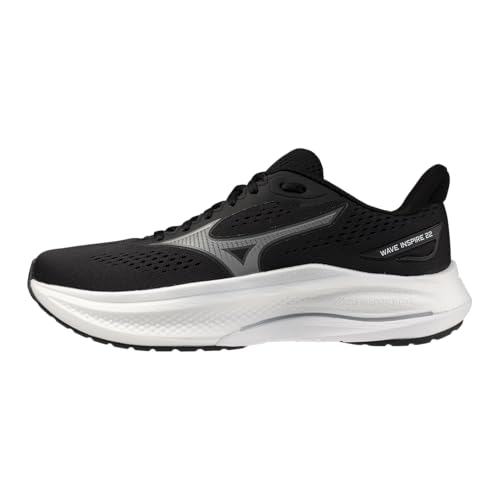
Wave Inspire 19
The Mizuno Wave Inspire 19 delivers a distinctive blend of moderate stability and a responsive ride, making it a compelling option for runners looking to mitigate IT band syndrome. Its signature Fan-Shaped Mizuno Wave Plate provides dynamic support by gently guiding the foot through its natural motion, effectively preventing excessive pronation. This innovative plate technology also contributes to a snappier toe-off, offering a more energetic feel than many traditional stability shoes. The shoe's MIZUNO ENERZY foam cushioning ensures a soft landing with good energy return. Owners report that the Inspire 19 offers a supportive yet lively experience, suitable for various training paces.
What owners say: Owners often highlight the Wave Inspire 19's ability to offer stability without sacrificing responsiveness, noting that it feels less clunky than some other stability models. Many reviewers have found relief from IT band issues, attributing it to the shoe's effective guidance and balanced cushioning. The shoe is praised for its comfortable fit and durable outsole, making it a dependable option for everyday runs and longer efforts.
- Fan-Shaped Wave Plate provides dynamic and responsive stability.
- Offers a snappier, more energetic feel compared to other stability shoes.
- MIZUNO ENERZY foam delivers a soft landing with good energy return.
- Cushioning might not be as plush as maximalist models.
- The Wave Plate'
- s feel might be too firm for some runners.

Provision 7
The Altra Provision 7 offers a unique approach to stability, focusing on promoting a natural gait with its signature Zero Drop platform and FootShape toe box. For runners with IT band syndrome, this design encourages a midfoot strike and allows the toes to splay naturally, which can improve foot mechanics and potentially reduce stress on the IT band. It incorporates GuideRail technology to provide adaptable stability, offering support only when needed without forcing the foot into a specific motion. The balanced cushioning ensures comfort without compromising ground feel. Owners report that this shoe helps them maintain better posture and alignment, which is crucial for ITBS management.
What owners say: Owners who transition to the Provision 7 often report an improved sense of balance and better foot awareness due to the zero-drop and wide toe box design. Many have experienced relief from IT band symptoms, attributing it to the shoe's ability to promote a more natural and aligned running form. Reviewers note that while there is an adaptation period, the long-term benefits for foot health and reduced discomfort are significant, making it a valuable choice for those seeking a less traditional stability shoe.
- Zero Drop platform promotes a more natural midfoot strike and alignment.
- FootShape toe box allows for natural toe splay and stability.
- GuideRail technology offers adaptive support without overcorrection.
- Requires an adaptation period for runners accustomed to higher heel drops.
- Cushioning might not be sufficient for runners preferring maximal softness.
How to choose
- Support Type. Selecting the correct support type is crucial for IT band syndrome. Stability shoes, which include features like medial posts or guide rails, help to control excessive pronation, where the foot rolls inward. This control can prevent the knee from rotating internally, a common contributor to ITBS.
- Cushioning Level. Adequate cushioning helps absorb impact, reducing the shock transmitted up the leg to the IT band. Shoes with moderate to maximal cushioning can provide a softer landing, which may alleviate stress during repetitive pounding. However, it's essential to balance cushioning with a sense of responsiveness, ensuring you do not feel disconnected from the ground.
- Heel-to-Toe Drop. The heel-to-toe drop refers to the difference in height between the heel and the forefoot. A lower drop (0-6mm) encourages a more midfoot or forefoot strike, which can sometimes reduce stress on the knees and IT band. A higher drop (8-12mm) can offer more cushioning in the heel, which might be preferred by heel strikers or those needing more calf relief, so personal preference and running form play a role here.
- Fit and Sizing. A proper fit is paramount for preventing any foot-related issues that could cascade up to the IT band. Ensure the shoe has enough room in the toe box for your toes to splay naturally, without your heel slipping. The midfoot should feel secure, preventing unnecessary movement that can lead to rubbing or instability during your run.
- Arch Support. Appropriate arch support helps maintain the natural alignment of your foot, which in turn affects the alignment of your entire leg. Runners with flat feet may benefit from shoes with built-in arch support or may consider adding orthotic inserts. This support prevents the arch from collapsing excessively, which can contribute to internal knee rotation and IT band irritation.
Frequently asked questions
What causes IT Band Syndrome in runners?
IT Band Syndrome (ITBS) in runners is typically an overuse injury caused by repetitive friction of the iliotibial band over the bony prominence on the outside of the knee. Contributing factors include sudden increases in mileage or intensity, running on banked surfaces, inadequate warm-up or cool-down, and biomechanical issues such as excessive pronation or weak hip abductors. Addressing these underlying causes alongside proper footwear is key to recovery.
Can shoes really help with ITBS, or is it just about stretches?
While stretching, strengthening exercises, and proper training are foundational for managing ITBS, the right running shoes can significantly support recovery and prevention efforts. Shoes with appropriate stability, cushioning, and fit can help correct biomechanical imbalances, reduce impact forces, and promote a more aligned gait. This complementary approach often yields better results than relying solely on one method.
Should I look for stability or neutral shoes if I have ITBS?
For many runners with ITBS, particularly those who overpronate, stability shoes are often recommended. These shoes help control excessive inward rolling of the foot, which can reduce internal knee rotation and stress on the IT band. However, if your ITBS is not linked to overpronation or if you have a neutral gait, a well-cushioned neutral shoe might be more appropriate. Consulting with a running specialist or physical therapist can help determine your specific needs.
What is heel-to-toe drop, and does it matter for ITBS?
Heel-to-toe drop is the height difference between the heel and the forefoot of a shoe. A lower drop (0-6mm) can encourage a midfoot or forefoot strike, potentially reducing stress on the knees and IT band by distributing impact differently. A higher drop (8-12mm) often provides more heel cushioning, which can be beneficial for heel strikers or those with calf tightness. The ideal drop depends on your natural running form and personal comfort.
How often should I replace my running shoes to prevent ITBS?
Running shoes typically need to be replaced every 300 to 500 miles, or roughly every 4 to 6 months for regular runners, though this can vary based on your weight, running style, and the shoe's construction. Worn-out shoes lose their cushioning and stability properties, which can increase stress on your joints and potentially contribute to ITBS. Regularly inspecting your shoes for signs of wear and tear is a good practice.
Beyond shoes, what else helps with ITBS prevention and recovery?
Beyond selecting appropriate shoes, a comprehensive approach to ITBS involves several key strategies. Regular foam rolling of the IT band, glutes, and quadriceps, combined with targeted strengthening exercises for the hip abductors and glutes, can significantly improve stability and flexibility. Additionally, gradually increasing mileage, incorporating cross-training, and ensuring proper running form are all vital components for both prevention and recovery from IT band syndrome.
The verdict
For runners seeking the most effective solution for IT band syndrome, the Hoka Gaviota 5 stands out as the best overall choice, providing unmatched cushioning and robust stability. For those prioritizing dependable, adaptive support in their daily training, the Brooks Adrenaline GTS 23 is a highly recommended alternative. Meanwhile, the Saucony Guide 16 offers excellent value, delivering reliable stability and cushioning at a more accessible price point for everyday runners.
Related guides
 7 Best Men’s Running Shoes for Treadmill in 2026, Ranked
 7 Best Running Shoes for Flat Feet in 2026, Ranked
 7 Best Men’s Running Shoes for Extra Wide Feet in 2026, Ranked
 7 Best women’s running shoes overpronation in 2026, Ranked
 7 Best Men’s Running Shoes Asics in 2026, Ranked7 Best running shoes for beginners in 2026, Ranked