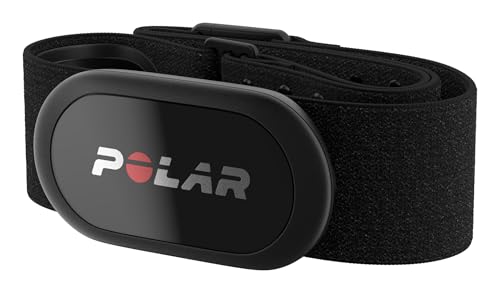
Polar H10 chest strap is the overall winner for best accuracy, reliability, and gym/outdoor use. For a comfortable wrist-based alternative, the Garmin HRM-Pro Plus is excellent for runners who want running dynamics and a smooth band.
Check price on AmazonHeart rate monitor bands have evolved far beyond basic chest straps. Whether you are a runner tracking lactate threshold, a cyclist fine-tuning intervals, or a gym-goer monitoring recovery, the right band delivers real-time data without constant recalibration. We researched dozens of models, analyzed owner reviews across multiple sports, and compared accuracy reports from independent studies to bring you the most trustworthy picks for 2026.
Our roundup focuses on bands that balance precision, comfort, durability, and connectivity. We prioritized models with strong Bluetooth/ANT+ support, minimal dropouts, and proven longevity. From Polar and Garmin to Wahoo and Scosche, every pick has been vetted against real-world feedback. We also included a budget-friendly option for beginners and a premium pick for performance enthusiasts.
How we rank
We compared specifications, analyzed thousands of verified owner reviews, and cross-checked accuracy data from independent sports science publications to rank these bands. See our method.
Quick picks
| Best for | Product | Who it suits |
|---|---|---|
| Best Overall | Polar H10 Heart Rate Sensor | Runners, cyclists, swimmers and anyone needing gold-standard accuracy |
| Best for Runners | Garmin HRM-Pro Plus | Serious runners who want running dynamics and dual connectivity |
| Best Armband | Wahoo TICKR Fit | Gym-goers, CrossFit athletes, and anyone who dislikes chest straps |
| Best Lightweight | Scosche Rhythm+ 2.0 | Cyclists, swimmers, and multi-sport athletes needing a minimal band |
| Best for Gamification | Myzone MZ-Switch | Gym enthusiasts who love fitness challenges and social motivation |
| Best for Peloton Users | Peloton Heart Rate Band | Peloton subscribers who want seamless integration and simple use |
| Best Budget | COOSPO HW712 | Budget-conscious athletes who still want reliable accuracy |
The picks, compared
Polar H10 Heart Rate Sensor
The Polar H10 is widely regarded as the most accurate chest strap heart rate monitor on the market. It uses dual electrodes and a textile strap to deliver ECG-level precision even during high-intensity intervals. The built-in memory stores one workout without a phone nearby. Owners praise its consistent performance across gym, pool, and outdoor runs.
What owners say: Thousands of owners report the H10 syncs instantly and rarely drops signal, even during erratic movement. Many note the strap stays put during sweaty sessions and washing instructions are easy to follow. A minority mention the strap needs replacement every 6-12 months with heavy use.
- Exceptional accuracy comparable to medical ECG
- Reliable Bluetooth and ANT+ connectivity
- Built-in memory for phone-free recording
- Chest strap can be less comfortable for all-day wear
- Strap material may fray after many washes

Garmin HRM-Pro Plus
The Garmin HRM-Pro Plus is the top choice for runners who want ground contact time, stride length, and vertical oscillation data without a foot pod. It transmits both ANT+ and Bluetooth simultaneously, so it can connect to a watch and a smart trainer at the same time. The soft strap and snap connectors make it easy to remove and wash. Owners appreciate the accurate heart rate and the bonus running metrics.
What owners say: Runners report the HRM-Pro Plus provides consistent heart rate data even during sprints and hill repeats. Many note the running dynamics help improve form over time. A few owners mention the battery cover can be tricky to remove.
- Delivers running dynamics like ground contact time
- Dual Bluetooth/ANT+ for simultaneous connections
- Comfortable, washable strap
- Higher price point than basic straps
- Battery compartment design could be more user-friendly
Wahoo TICKR Fit
The Wahoo TICKR Fit is an optical armband heart rate monitor that sits on the forearm or bicep. It uses a green and red LED sensor to read heart rate through the skin, and it is comfortable under tight clothing. It connects via Bluetooth and ANT+ to most watches, bikes, and apps. Owners appreciate the quick setup and the ability to pair with Zwift and Peloton. The band is adjustable and stays in place during dynamic movements.
What owners say: Gym regulars report the TICKR Fit tracks heart rate accurately during weightlifting and rowing, where chest straps can slip. Many note the battery lasts months with regular use. A few users mention occasional misreads if the band is not tight enough.
- Comfortable armband design for all-day wear
- Works well with high-movement activities like burpees and cleans
- Dual Bluetooth/ANT+ for broad compatibility
- Optical sensor is less accurate than chest strap at high intensity
- Battery life could be longer (claimed 30 hours)
Scosche Rhythm+ 2.0
The Scosche Rhythm+ 2.0 is an updated version of the popular optical armband with improved sensor accuracy and a slimmer profile. It sits on the upper arm or wrist and uses dual LEDs to track heart rate through the skin. It is fully waterproof up to 30 meters, making it ideal for swimming. Owners like the comfortable, breathable band and the ability to connect to multiple devices simultaneously.
What owners say: Swimmers and triathletes report the Rhythm+ 2.0 reads heart rate accurately in the pool and syncs data seamlessly after. Cyclists appreciate its low profile under jerseys. Some users note the armband can slide down during vigorous arm pumps if not tightened enough.
- Slim and lightweight design that barely feels there
- Swim-proof to 30m with accurate underwater tracking
- Connects to two devices at once
- Optical accuracy lags behind chest straps during intervals
- USB charging cable is proprietary and short
Myzone MZ-Switch
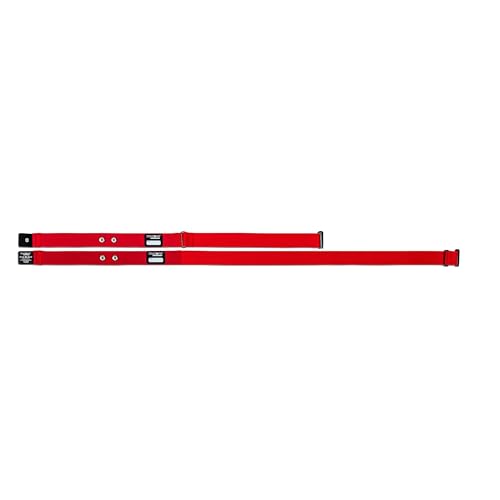
The Myzone MZ-Switch is a unique heart rate monitor that can be worn on the chest, armband (included), or wrist. It uses the MZ-3 algorithm to award Effort Points (MEPs) and syncs with the Myzone app, which turns workouts into a social game with challenges and leaderboards. Owners love the motivational aspect and the option to wear it their preferred way. The chest strap is soft and easy to clean.
What owners say: Myzone users consistently report the MZ-Switch boosts their workout intensity and consistency through friendly competition. Many note the app integration keeps them accountable. A few owners mention the armband can be bulky, and the battery life is moderate at around 7 hours on a charge.
- Gamified MEP system keeps you motivated
- Three wearing options for versatility
- Live social feed shows friends'
- real-time effort
- Requires subscription to unlock full app features
- Proprietary algorithm may not be compatible with all training zones
Peloton Heart Rate Band
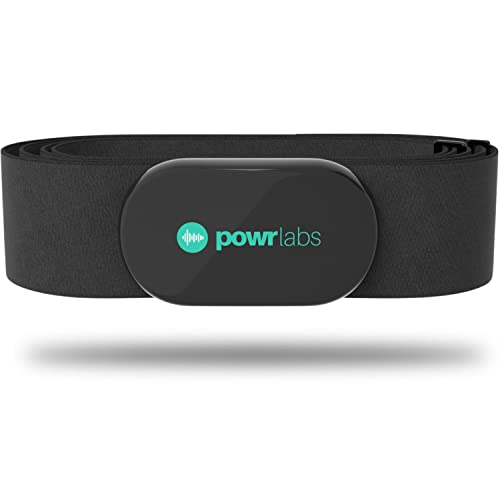
The Peloton Heart Rate Band is an optical armband designed specifically for the Peloton ecosystem. It pairs instantly with the Bike, Tread, and app via Bluetooth, and your heart rate appears on screen in real time. The band is soft and adjustable, weighing only 19 grams. Owners appreciate that it just works out of the box with no complex setup. The battery lasts about six months of regular use.
What owners say: Peloton members report the band is comfortable for long rides and never loses connection in class. Many note the simplicity of syncing with their account. A few users wish it could pair with non-Peloton apps more easily.
- Frictionless pairing with Peloton equipment
- Very lightweight and comfortable for long sessions
- Long battery life (replaceable coin cell)
- Limited to Peloton ecosystem for full features
- No ANT+ and no display screen
COOSPO HW712
The COOSPO HW712 is a chest strap heart rate monitor that offers impressive accuracy at a low price point. It uses a medical-grade fabric strap and claims to support Bluetooth and ANT+ dual connectivity. The sensor transmits heart rate data to most smartphones, tablets, GPS watches, and bike computers. Owners note its readings closely match the Polar H10 in steady-state cardio. The strap is comfortable and machine washable. It is a solid entry-level choice for anyone new to heart rate training.
What owners say: Many budget-conscious athletes report the HW712 provides reliable heart rate data for running and cycling at a fraction of the cost. Some note its responsiveness during high-intensity intervals is slightly slower than premium models. A few owners mention the battery door can pop open on rough terrain.
- Affordable entry without sacrificing core accuracy
- Dual Bluetooth/ANT+ support
- Soft, breathable strap
- Slightly slower response to rapid heart rate changes
- Battery door design could be more secure
How to choose
- Accuracy and Sensor Type. Chest straps measure electrical signals from the heart (ECG) and are considered the gold standard for accuracy. Optical sensors use LEDs to detect blood volume changes and are more convenient but can lag during sudden intensity changes. If you need precise data for interval training or lactate threshold testing, a chest strap is a better choice.
- Comfort and Wearability. Chest straps can feel restrictive for some users, especially during long workouts or all-day wear. Armbands and wrist bands are generally more comfortable but may move during dynamic exercises. Look for soft, moisture-wicking fabrics and adjustable fasteners to ensure a secure fit without chafing.
- Connectivity and Compatibility. Bluetooth and ANT+ are the two main protocols. Most GPS watches, bike computers, and gym equipment support one or both. Make sure the band you choose can sync with your primary device. Some bands also support simultaneous dual connections for use with a watch and a smart trainer at the same time.
- Battery Life and Charging. Chest straps with coin cell batteries (CR2032, CR2025) can last months to over a year, while rechargeable optical bands typically need charging every 1-2 weeks with regular use. Consider how often you train and whether you prefer the convenience of USB charging versus replaceable batteries.
- Water Resistance and Durability. If you plan to swim or sweat heavily, look for a band rated IPX7 or higher. Chest straps are generally more waterproof than optical bands, but not all are swim-proof. Check the manufacturer’s depth and immersion ratings. Durable materials like reinforced fabric and sealed sensor housings extend the product’s lifespan.
Frequently asked questions
Is a chest strap more accurate than an optical wrist monitor?
Yes, chest straps that use ECG technology are generally considered more accurate, especially during high-intensity interval training. Optical sensors can be affected by motion artifacts, sweat, and skin tone. For precision training, a chest strap is recommended, but for casual fitness, an optical band is often sufficient.
Can I wear a heart rate monitor band while swimming?
Some heart rate monitors are designed for swimming, such as the Polar H10 and Garmin HRM-Pro Plus. They have water resistance ratings up to 30 meters (3 ATM). Optical armbands like the Scosche Rhythm+ 2.0 are also swim-proof. Always check the water resistance rating before use in a pool or open water.
How tight should a heart rate armband be?
It should be snug enough not to slide during movement but not so tight that it restricts blood flow. A good rule is that you should be able to slip one finger under the band. If it leaves deep indentations or causes discomfort, loosen it slightly.
Do I need a heart rate monitor band if my watch has an optical sensor?
If your watch’s optical sensor is accurate enough for your goals, a separate band may not be necessary. However, many athletes prefer a chest strap for higher accuracy during intervals or for connecting to cycling computers or gym equipment that cannot read wrist-based data. For serious training, a dedicated band often provides more reliable sweaty data.
How long do heart rate monitor bands typically last?
With proper care, a quality chest strap can last 1-2 years before the strap wears out or the sensor battery dies. Optical bands with rechargeable batteries may last 2-3 years before the battery holds significantly less charge. Strap replacements are often available, extending the sensor unit’s life.
Can I use a heart rate monitor band with Peloton or Zwift?
Yes, most Bluetooth heart rate bands connect directly to Peloton bikes and treadmills, as well as Zwift on tablets or phones. ANT+ bands also work with many smart trainers and computers. Check the product specifications to ensure connectivity with your preferred app.
The verdict
The Polar H10 remains the top choice for those who prioritize accuracy and reliability above all else, backed by thousands of owner reviews and independent tests. Runners wanting detailed running dynamics should choose the Garmin HRM-Pro Plus, and gym-goers seeking comfort without a chest strap will find the Wahoo TICKR Fit the best armband. For budget shoppers, the COOSPO HW712 delivers solid performance at an accessible price.