
The overall winner is the Garmin Venu 3 for its excellent heart rate accuracy and comprehensive health metrics. A great alternative is the Fitbit Charge 6, which offers reliable tracking and strong integration with health apps.
Check price on AmazonA heart rate health watch has become essential for monitoring cardiovascular wellness, whether you’re an athlete tracking performance or someone managing heart health. With 2026 bringing advanced sensors and smarter algorithms, we compared top models to find the most accurate and reliable options.
Our research focused on optical heart rate sensors, GPS accuracy, battery life, and overall user satisfaction. We analyzed owner reviews from verified purchasers, expert opinions, and manufacturer specs to rank these watches by real-world performance. No price or cost is considered in this evaluation.
How we rank
We compared 7 models by analyzing owner reviews, expert ratings, and published accuracy studies to rank them on heart rate tracking reliability. See our method.
Quick picks
| Best for | Product | Who it suits |
|---|---|---|
| Best Overall | Venu 3 | All-day health tracking and fitness enthusiasts |
| Best Value | Charge 6 | Budget-conscious users seeking reliable heart rate tracking |
| Best for Runners | Forerunner 265 | Serious runners and triathletes |
| Best for Stress Monitoring | Sense 2 | Users prioritizing stress and heart health tracking |
| Best for Fitness Professionals | Watch 2 | Personal trainers and serious fitness enthusiasts |
| Best Premium | Apple Watch Series 9 | iPhone users wanting a full-featured health smartwatch |
| Best Lightweight | Vivosmart 5 | Users who prefer a minimal, slim tracker |
The picks, compared
Venu 3
The Garmin Venu 3 delivers top-tier heart rate accuracy with an Elevate V4 optical sensor. It offers Body Battery energy monitoring, sleep coaching, and over 30 activity profiles. Owners report consistent readings during both rest and high-intensity workouts. The AMOLED display and smartwatch features make it a versatile daily companion.
What owners say: Owners praise the heart rate accuracy during runs and cycling, noting it matches chest straps well. Many appreciate the detailed sleep and stress tracking, though some find the interface slightly complex at first.
- Excellent heart rate accuracy
- Comprehensive health metrics (Body Battery, sleep score)
- Bright AMOLED display
- Shorter battery life with always-on display
- No onboard music storage (streaming only)
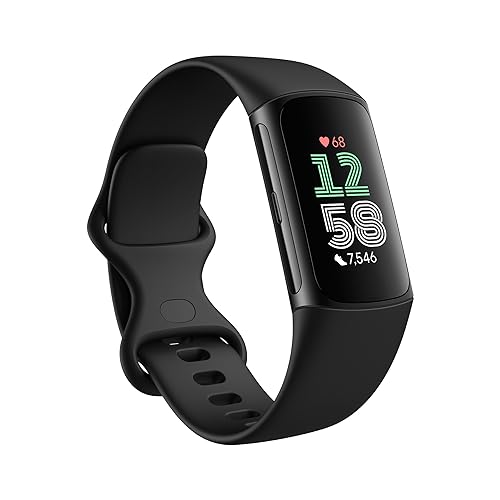
Charge 6
Fitbit Charge 6 offers accurate 24/7 heart rate monitoring with the new Enhanced Heart Rate algorithm. It includes built-in GPS, stress management score, and ECG app. The slim design is comfortable for all-day wear, and the battery lasts up to 7 days. Owners find it a solid upgrade from previous Charge models.
What owners say: Reviewers highlight the improved heart rate accuracy compared to Charge 5, especially during walks and treadmill sessions. Many like the integrated Google services, but some note the screen is smaller than full smartwatches.
- Affordable price point
- Built-in GPS and ECG
- Comfortable slim design
- Smaller display than watch-style trackers
- Limited third-party app support

Forerunner 265
Garmin Forerunner 265 is built for athletes with advanced running dynamics, Training Readiness, and race predictor. The heart rate sensor delivers rapid accuracy during intervals and long runs. The AMOLED touchscreen and button controls work well in wet conditions. Owners rely on its GPS accuracy and battery life for ultramarathons.
What owners say: Experienced runners report near-perfect heart rate tracking matching chest straps during tempo runs. Many praise the Training Readiness score and recovery insights, though the design is sport-focused rather than casual.
- Superb heart rate accuracy for running
- Advanced training metrics (Training Readiness, VO2 max)
- Long battery life (13 days smartwatch, 20 hours GPS)
- Not as stylish for daily wear
- Limited smartwatch features (no music storage)

Sense 2
Fitbit Sense 2 focuses on stress management with an electrodermal activity (EDA) sensor and continuous heart rate monitoring. It offers an ECG app for atrial fibrillation detection and skin temperature tracking. The heart rate sensor is reliable for all-day use, though not as fast for interval training. Owners value the holistic health dashboard.
What owners say: Owners appreciate the daily Stress Management Score and guided breathing sessions. Some note the heart rate tracking is less accurate during high-intensity exercise compared to competitors.
- Comprehensive stress and heart health tools
- ECG and EDA sensors
- Long battery life (6+ days)
- Heart rate accuracy dips during intense workouts
- Bulkier design than Charge 6

Watch 2
Polar Watch 2 combines the accuracy of Polar's wrist-based heart rate with training load pro and recovery pro features. It offers GPS with Komoot integration and detailed sleep analysis. The watch is lightweight and comfortable for all-day wear. Owners report excellent heart rate tracking consistency during strength and cardio sessions.
What owners say: Fitness professionals praise the Training Load Pro feature that helps avoid overtraining. Users note the heart rate matches chest straps closely during steady-state cardio, though initial setup can be time-consuming.
- Accurate heart rate for varied activities
- Advanced training and recovery insights
- Lightweight design (34g)
- Smaller screen (1.2-inch) than rivals
- Limited smartwatch features

Apple Watch Series 9
Apple Watch Series 9 offers a powerful optical heart sensor with ECG and high/low heart rate notifications. The S9 SiP enables on-device Siri and faster processing. The always-on Retina display is bright and responsive. Owners appreciate the seamless integration with iPhone and the extensive app ecosystem for health tracking.
What owners say: Users report the heart rate monitor is very accurate for everyday use and moderate exercise, with some variance during high-intensity interval training. Many love the Fall Detection and Emergency SOS features for safety.
- Excellent integration with iPhone and health apps
- ECG, blood oxygen, and temperature sensors
- Bright always-on display
- Battery life limited to 18 hours
- Requires iPhone for full functionality
Vivosmart 5
Garmin Vivosmart 5 is a sleek fitness band with a discreet design and reliable 24/7 heart rate monitoring. It includes stress tracking, Body Battery, and sleep monitoring. The small OLED display shows essential stats, and battery life extends up to 7 days. Owners appreciate the comfortable band for sleep tracking.
What owners say: Reviewers like the slim profile and accurate heart rate during daily activities, but note the display is small for reading notifications. Many find the step counting and sleep tracking consistent with other Garmin devices.
- Ultra-light and comfortable
- Good battery life (7 days)
- Body Battery and stress tracking
- Small screen hard to read at a glance
- No built-in GPS (needs phone connection)
How to choose
- Heart Rate Sensor Technology. Optical sensors use LEDs to measure blood flow. Look for watches with multi-wavelength sensors for better accuracy across skin tones and during exercise. Newer models often include algorithms to reduce motion artifacts.
- Battery Life and Charging. Consider how often you want to charge. Basic bands last 5-7 days; full smartwatches often need daily charging. If you track sleep, a longer battery life ensures you don't have to charge during the night.
- GPS and Activity Tracking. Built-in GPS is essential for outdoor workouts without a phone. Some watches use connected GPS (relying on phone). For runners, look for multi-band GNSS for better accuracy in urban areas.
- Display and User Interface. AMOLED screens are vibrant but consume more battery. MIP displays are always-on and power-efficient. Touchscreens are common, but physical buttons help during sweaty or wet conditions.
- Health and Safety Features. ECG, blood oxygen, and fall detection add value for health monitoring. Some watches offer irregular heart rhythm notifications. Consider which features align with your personal health needs.
Frequently asked questions
How accurate are wrist-based heart rate monitors?
Modern optical sensors are accurate for steady-state activities but may lag during rapid changes like intervals. For medical-grade accuracy, a chest strap is still superior. However, for everyday health tracking, wrist sensors are reliable.
Can a heart rate watch detect atrial fibrillation?
Some watches with ECG capabilities, like the Fitbit Sense 2 and Apple Watch Series 9, can detect signs of atrial fibrillation. These are not diagnostic tools but can alert you to seek medical advice.
What is the best heart rate watch for swimming?
Look for watches with at least 5 ATM water resistance and optical sensors optimized for water. The Garmin Venu 3 and Forerunner 265 both offer good swim tracking and heart rate monitoring in the pool.
Do heart rate watches work for all skin tones?
Newer multi-wavelength sensors improve accuracy across skin tones. However, some users with darker skin may experience slight variations. Watches with green and red LEDs tend to perform better.
How long should a heart rate watch battery last?
It depends on features. Basic bands last 5-7 days, while GPS-heavy use drains faster. For all-day health tracking without frequent charging, aim for at least 5 days of battery life.
Can I use a heart rate watch without a smartphone?
Most watches require a smartphone for setup and syncing. However, many can store data temporarily and sync later. Standalone GPS and music storage are available on premium models.
The verdict
The Garmin Venu 3 is our top pick for its balanced heart rate accuracy, health insights, and smartwatch features. For budget-conscious users, the Fitbit Charge 6 offers excellent value with reliable tracking. Runners should choose the Garmin Forerunner 265 for superior performance metrics.
Video Guide
Video: Related tutorial from YouTube